

A workable home solar battery budget starts with matching your power goals to real equipment costs. Most overspending happens when buyers focus on the battery alone and forget panels, wiring, connectors, mounting hardware, and installation. A better approach is to price the system in layers: storage first, solar input second, then electrical connections, setup, and practical extras. That structure helps you avoid underbuilding a system that cannot recharge fast enough or overbuying capacity you rarely use. With a clear budget, you can size a setup that supports daily needs without unnecessary expense.
Set Your Budget Around the Battery and Solar Panels
Choose Battery Capacity for Your Intended Loads
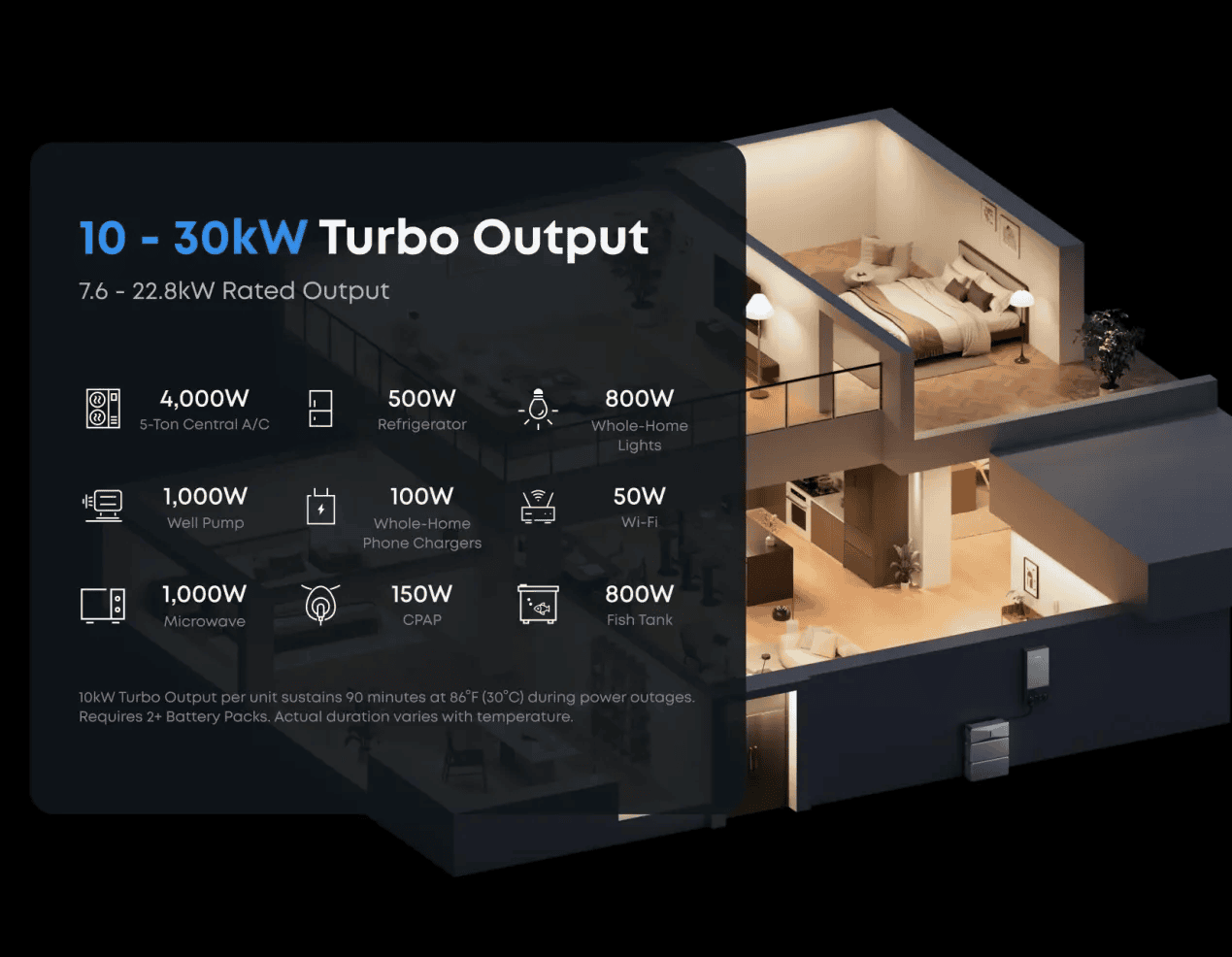
Start your budget with the loads you want to run and for how long. List essentials first, such as refrigeration, lighting, internet equipment, fans, medical devices, or selected kitchen appliances. Then total their daily energy use in watt-hours rather than guessing from battery size alone. A battery should cover your priority loads with a sensible reserve, not just match one peak moment. For example, EcoFlow DELTA Pro 3 offers 4000W single-unit output and expandable capacity from 4–12kWh, which frames budgeting around both short-term power demand and longer runtime. If your goal is backup for core circuits, price enough storage to handle outages comfortably without paying for capacity that sits unused most days.
Budget for Panels That Can Replenish Daily Use
After setting battery size, budget for enough solar panels to replace the energy you expect to use each day. If your battery regularly supplies 3 kWh, your panels should realistically generate at least that amount during average sun conditions, with extra margin for weather, conversion losses, and seasonal changes. Underbuying panels often leads to a battery system that performs well once but struggles on consecutive days. Include panel mounting, brackets, roof hardware, or ground supports in your cost estimate, because these items can materially affect the total. A balanced home solar battery budget pairs storage and generation so the system can recover daily instead of relying heavily on grid charging.
Account for Connections and Installation Costs
Check Which Cables and Accessories You Need
Connection costs are easy to overlook, yet they can noticeably change your final number. Start with the basic path from solar panels to battery, then from battery to the devices or circuits you want to support. Your budget may need solar charging cables, extension cables, branch connectors, adapter plugs, cable management clips, conduit, fuses, breakers, grounding parts, and weather-resistant junction components. If panels sit far from the battery, longer cable runs can increase both material cost and voltage drop concerns. Also account for mounting accessories, protective covers, and transport or storage cases when relevant. Pricing these items early helps prevent small missing components from delaying installation or forcing last-minute purchases at higher cost.
Separate Portable Use From Home Electrical Integration
Your installation budget should reflect how the system will be used. Portable operation usually costs less because it may only require panels, charging cables, and direct plug-in use for selected appliances. Home electrical integration costs more because it can involve transfer equipment, inlet boxes, subpanels, permits, inspection, and licensed electrician labor. That difference matters when planning backup power for household circuits rather than stand-alone devices. Separate these two paths in your budget from the start, so you do not blend simple accessory pricing with full-home connection expenses. If your goal is clean backup during outages, budget the professional installation pieces early instead of treating them as optional extras added later.
Decide Which Extras Deserve a Place in the Budget
Add Storage When Longer Runtime Justifies It
Extra storage deserves budget space when longer runtime solves a real problem, such as overnight use, multi-day outages, or heavier evening consumption after solar production drops. Add capacity for a specific reason, not just because expansion is available. If your essentials already fit comfortably within one battery cycle and solar can refill that use the next day, more storage may not improve value. But if outages commonly last longer or your loads increase seasonally, expansion can reduce stress and improve resilience. Think in terms of additional hours or days of operation for priority loads, then compare that benefit against the cost. A justified storage upgrade supports your routine, not an imagined worst case.

Include Ongoing Costs and a Contingency Allowance
A complete home solar battery budget should include more than upfront hardware. Plan for ongoing costs such as occasional maintenance, replacement connectors, roof or ground-mount adjustments, cleaning supplies for panels, and possible electrician service if your setup changes. If permits or inspections apply, include those from the beginning. It is also smart to reserve a contingency allowance for small surprises, such as longer cable runs, extra brackets, weatherproof fittings, or shipping charges on accessories. A practical target is a modest buffer that protects the project without inflating it. This final line item keeps your budget realistic and prevents essential finishing costs from being pushed aside once major equipment is purchased.
Conclusion
A strong home solar battery budget starts with the battery and panels, then expands to include cables, accessories, installation, and sensible reserves for ongoing costs. That order keeps the system practical: enough storage for your intended loads, enough solar to recharge daily, and enough supporting hardware to make everything work safely. It also helps you distinguish between a portable setup and a home-integrated backup system, which have very different cost profiles. When you budget each layer deliberately, you avoid common oversights and build a system that matches your energy needs, installation plan, and long-term expectations without unnecessary spending.