
Reliable electricity changes what remote communities can achieve, from running medical equipment and keeping food fresh to supporting education and local businesses. Yet extending conventional power infrastructure to isolated villages, islands and rural properties can require substantial investment. Energy storage offers another approach by capturing electricity when generation is available and supplying it when demand rises or production falls. When paired with suitable generation and a carefully planned distribution system, storage can make electricity more accessible, dependable and practical for communities far from established power networks.
Where Energy Storage Makes the Biggest Difference
Solar Power After Sunset
Remote areas often have access to abundant sunlight but lack a dependable way to use solar electricity beyond daylight hours. Batteries address this timing gap by storing surplus generation for evening lighting, refrigeration, communications and other essential loads. This changes the role of a solar installation from a source that supplies electricity only when sunlight is available into a resource that can serve a broader daily schedule. System designers must match solar production, storage capacity and expected consumption across different seasons. A clinic, for example, may need energy storage solutions for vaccine refrigeration overnight, while a household may prioritize lighting and phone charging. The objective is to store enough electricity for the services that matter most, rather than simply maximize installed capacity.
Smaller Grids for Dispersed Communities
Not every remote location needs a large, centralized power network. A microgrid can combine local generation, battery storage, controls and a distribution network to serve homes or community facilities. This arrangement allows electricity production and consumption to be coordinated within a defined area. Solar panels may supply daytime demand and charge batteries, while stored energy supports evening use or periods of reduced generation. The appropriate design depends on the number of users, distance between buildings, local climate and expected demand growth. In a remote settlement, planners might prioritize a shared clinic, water pumping station and communications hub before expanding supply to additional buildings. Storage makes this phased approach more practical by separating electricity availability from the exact moment of generation.
Essential Services Need More Than Occasional Power
Electricity access matters most when an interruption affects safety, health or basic services. Remote health centers may require refrigeration, lighting, diagnostic equipment and communications. Water systems may need pumps to operate at specific times, while emergency radio equipment must remain available when other infrastructure fails. Designers should identify these critical loads before choosing battery capacity. They should also account for startup surges, daily operating hours and the consequences of losing power. An energy system designed around average consumption alone may not meet the needs of equipment that draws high power briefly. By prioritizing essential circuits and matching storage to actual operating requirements, communities can direct limited energy resources toward the services that provide the greatest public value.
Designing Storage Around Remote Conditions
Capacity Must Reflect Distance and Daily Demand
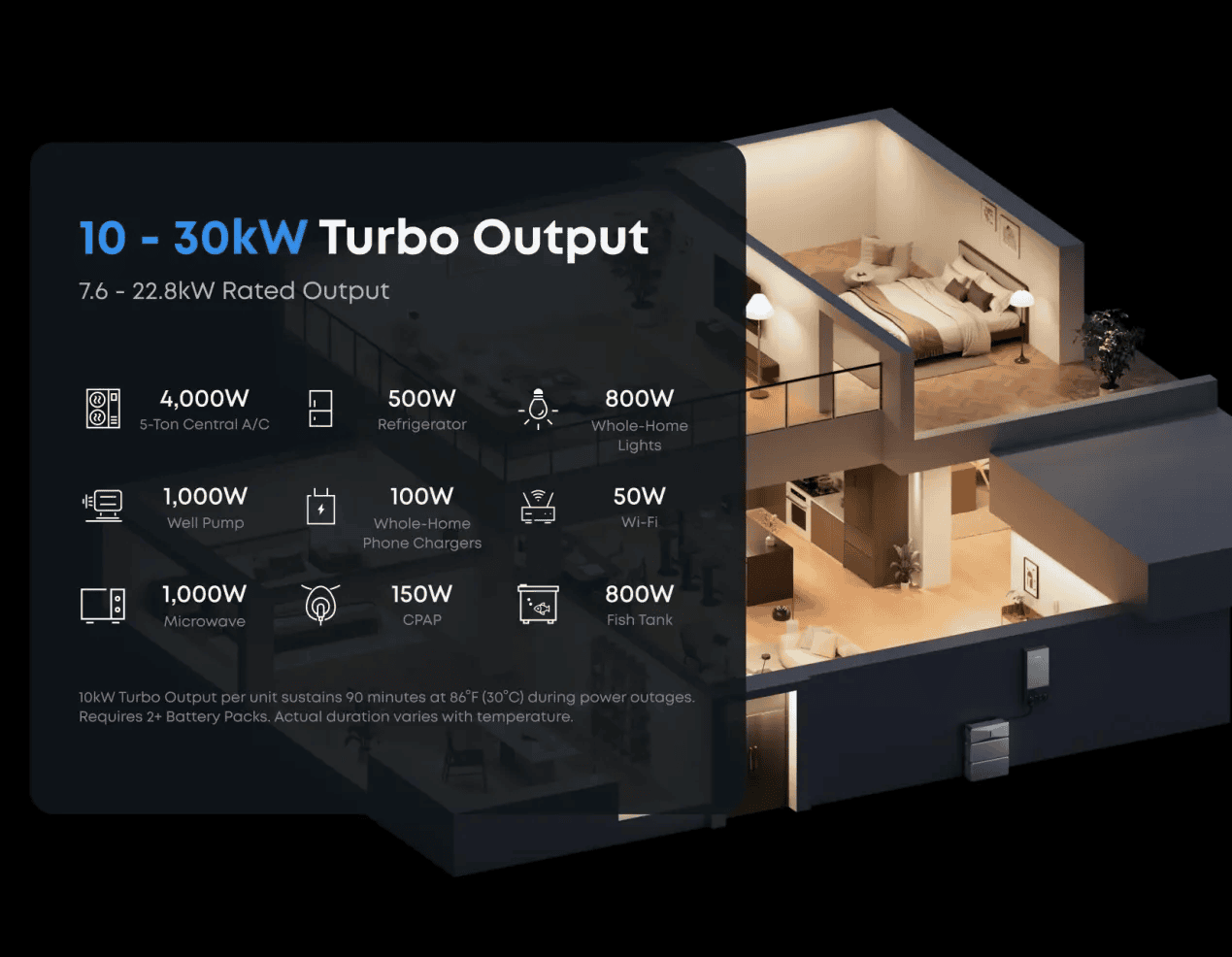
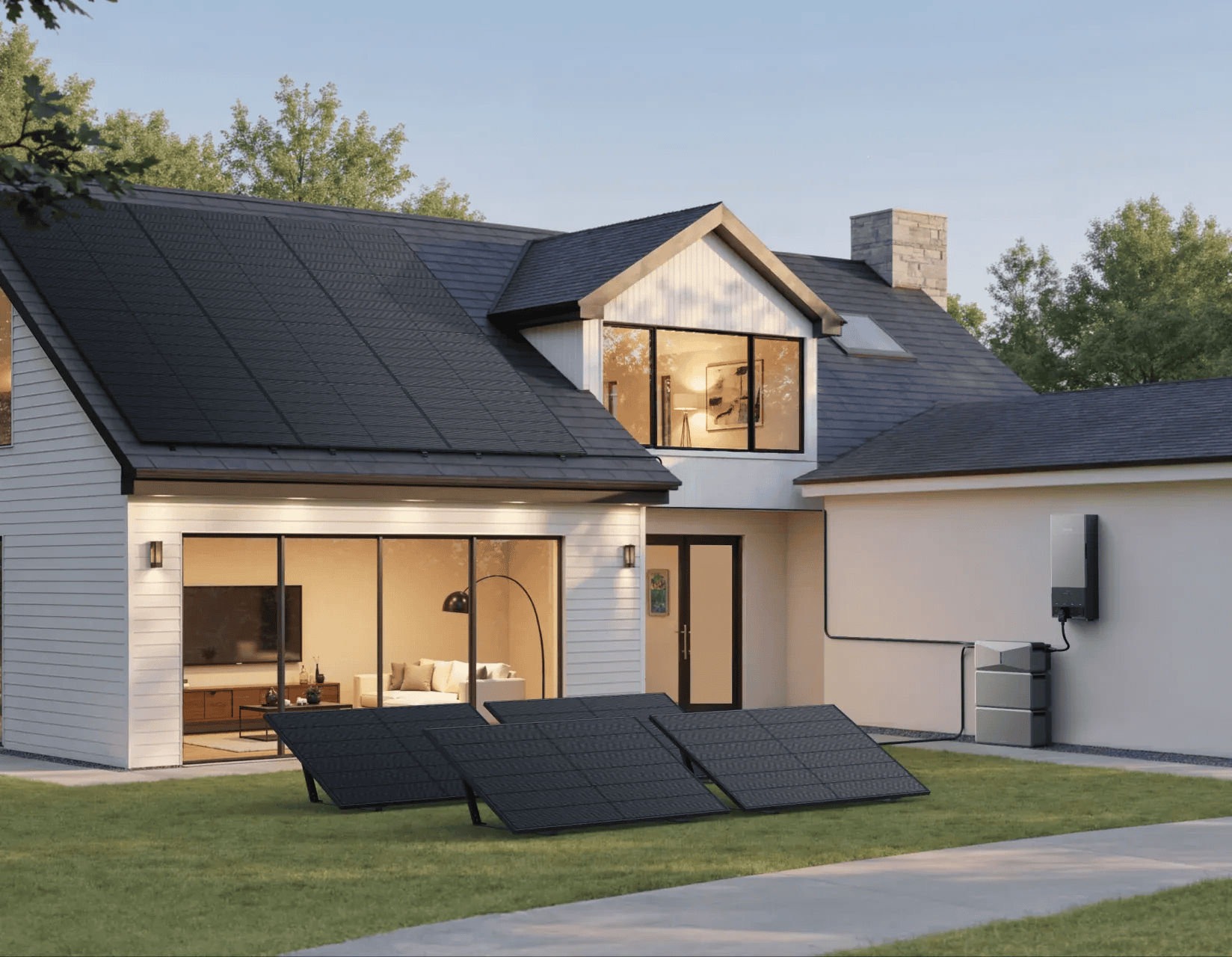
In remote locations, system sizing needs to account for both energy consumption and the practical difficulty of replenishment. Kilowatt-hours indicate how much energy a battery stores, while kilowatts describe how much power it can deliver at a given moment. Both measurements matter. A household may need sufficient stored energy to cover several hours of normal use, while a workshop may require higher output to start motor-driven equipment. Seasonal changes, cloudy periods and future demand should also inform planning. Modular systems offer flexibility when electricity needs grow gradually. For example, the Anker SOLIX E10 Whole-Home Backup supports expansion from one E10 unit to three units, with total battery capacity expandable to 90 kWh and continuous output reaching 22.8 kW across three E10s. Such specifications provide useful reference points for evaluating larger residential or distributed-power requirements, although suitability depends on the installation and local electrical design.
Match Charging Sources to Local Resources
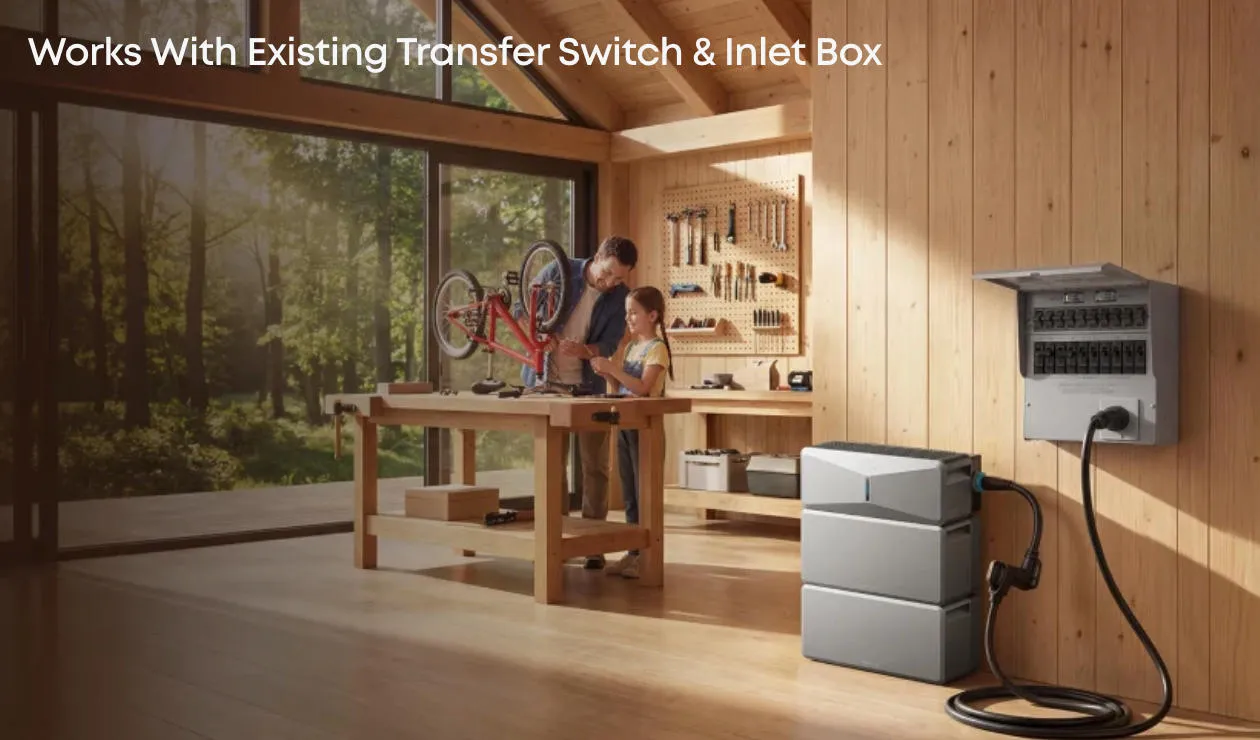
Storage delivers its greatest practical value when charging arrangements reflect local conditions. Solar generation suits many sunny locations, while other sites may combine solar with wind, an existing grid connection or a generator. The choice depends on resource availability, weather patterns, fuel logistics and maintenance capacity. The Anker SOLIX E10 supports solar input through dual MPPT channels, with up to 9 kW of solar input per E10 unit. Its Smart Generator charging capability also provides another charging route where a compatible generator is available. For remote properties, this combination illustrates how multiple energy sources can support continuity when one source produces less electricity than expected. A well-designed system should establish when each source operates, how charging is prioritized and how much reserve energy remains for essential loads.
Maintenance and Safety Determine Long-Term Access
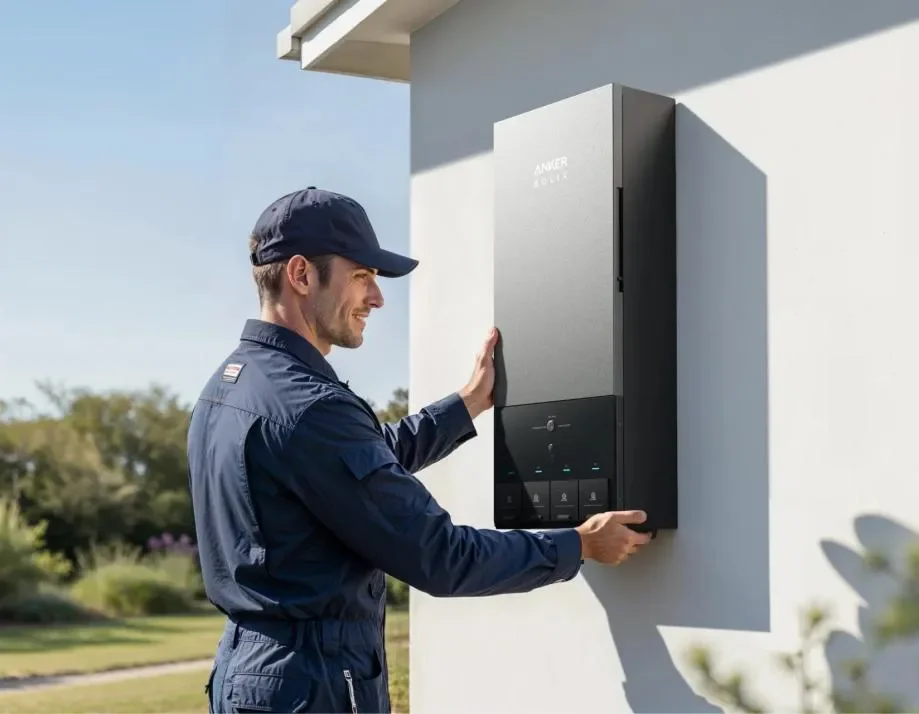
A remote power system must remain manageable after installation. Regular inspection, clear operating procedures, accessible technical support and a plan for replacement components all influence long-term reliability. Installers should assess temperature, moisture, flooding exposure, ventilation and physical access before selecting an equipment location. They must also follow applicable electrical codes and manufacturer installation requirements. For example, the Anker SOLIX E10 battery modules carry UL 9540 and UL 9540A certifications, which relate to energy storage system safety and thermal runaway testing. These certifications provide relevant safety information, but they do not replace site-specific engineering or local compliance checks.
Conclusion
Energy storage can improve electricity access in remote areas by making locally generated power available when people need it. Its value depends on more than battery size. Successful projects align storage capacity with critical loads, select charging sources suited to local conditions, and account for maintenance, safety and future demand. Microgrids and modular systems can support gradual expansion as communities develop. With realistic planning and appropriate technical support, storage can turn intermittent generation into a more dependable foundation for homes, essential services and local economic activity.