
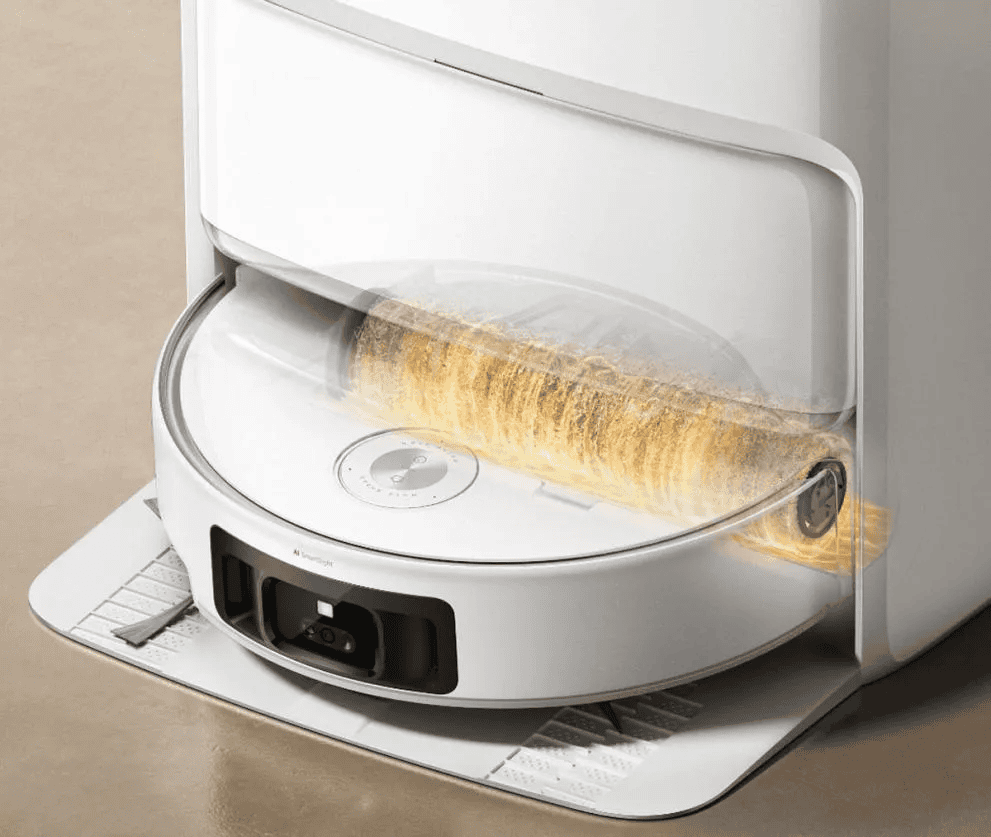
A robot vacuum and mop dock is useful when it removes the repetitive tasks that make floor cleaning feel like another household job. The best docks do more than park and charge the robot. They handle dust, refill water, clean the mop, and dry it so the machine is ready for the next run with less effort from you. For most buyers, the real question is not whether a dock sounds convenient, but whether it reduces enough daily maintenance to justify its size, cost, and ongoing care. A useful dock should deliver clear, practical time savings every week.
Does the Dock Reduce Daily Emptying and Refilling?
Dust Collection Should Match Household Debris
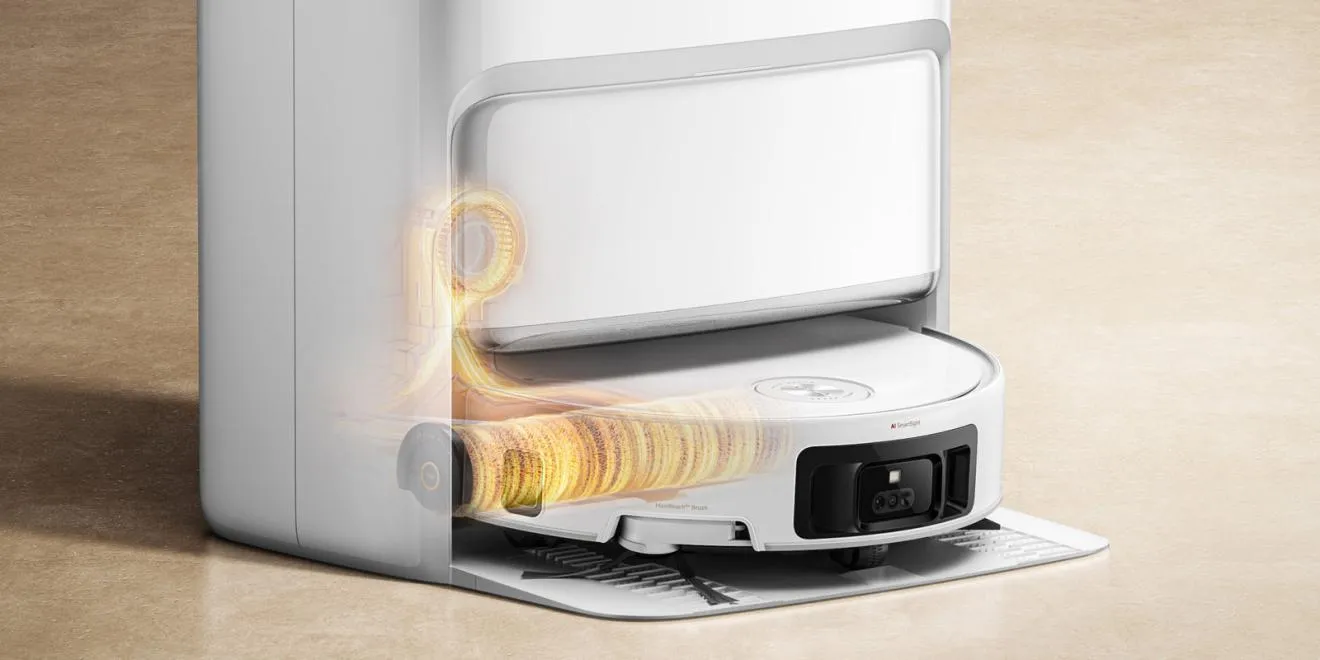
A dock is most useful when its dust handling meaningfully cuts how often you touch the robot. That matters most in homes with pet hair, tracked-in grit, crumbs, and everyday dust that quickly fill an onboard bin. A larger dock bag reduces interruptions and keeps cleaning schedules consistent. With the MOVA Z60 Ultra Roller SA, the 7-in-1 Auto-Care Dock includes Auto-Empty with a 3.2L dust bag designed for hands-free use for up to 100 days. That setup is practical because it shifts emptying from a daily or every-run task to an occasional one. If your floors collect visible debris often, strong dock-based dust storage is one of the clearest signs that the dock is earning its space.
Water Refilling Should Support Regular Mopping
A dock also becomes more valuable when it keeps the robot supplied for frequent mopping without constant attention. Small onboard tanks can turn mopping into a stop-and-start chore, especially in larger homes or households that run wet cleaning several times a week. Auto water refill solves that friction by topping up the robot between sessions or during longer routines, depending on the system. The MOVA Z60 Ultra Roller SA dock adds Auto Water Refill for Mopping and Auto Solution Refill with a 600ml dispenser, which helps maintain consistent cleaning without manual mixing every time. When a dock can reliably support repeated mopping cycles, it stops being a convenience feature and starts functioning like real labor reduction.
Does the Dock Leave the Mop Ready for Another Run?
Mop Washing Should Remove Accumulated Dirt
A useful dock should not just wet the mop again; it should actively remove the grime picked up during cleaning. Without proper washing, the robot can spread dirty residue across the floor on the next pass, which defeats much of the benefit of automated mopping. Effective mop care matters even more in kitchens, entryways, and homes with children or pets, where sticky messes and fine soil build up quickly. The most helpful systems rinse thoroughly and manage wash conditions in a way that supports better hygiene. On the MOVA Z60 Ultra Roller SA, the base station offers four water temperature settings: ambient, 45°C, 60°C, and 80°C. That flexibility gives the dock a stronger chance of lifting accumulated dirt from the mop after each run.
Mop Drying Should Reduce Damp Storage
Washing the mop is only half the job. A dock is far more useful when it also dries the mop effectively, because damp pads left sitting in an enclosed base can develop unpleasant odors and feel less hygienic between cleaning sessions. Drying matters especially for households that mop often, since moisture can linger if the system only rinses and parks the robot. Hot-air drying improves readiness for the next run and reduces the chance that you need to remove the mop manually just to let it air out. The MOVA Z60 Ultra Roller SA includes Auto Mop Drying with Hot Air, which directly addresses one of the most common weak points in robot mop maintenance. A dry mop is a practical convenience, not a minor extra.
Is the Convenience Worth the Space and Upkeep?
Dock Placement Should Allow Easy Everyday Access
A dock only feels convenient when it fits naturally into daily life. If it is too large for the available floor area, awkward to reach, or placed where refilling and bag changes become annoying, its benefits start to shrink. Good placement means the robot can enter and leave easily, the user can access tanks and dust storage without moving furniture, and the station does not disrupt a high-traffic area. That usually means giving the dock a stable, open position near power and away from tight corners. Buyers should think beyond appearance and ask whether the dock’s footprint matches their home layout. A feature-rich station is worth more when it stays accessible enough that routine maintenance remains quick and painless.
Remaining Chores and Running Costs Shape the Verdict
Even the best robot vacuum and mop dock does not eliminate all maintenance, so its value depends on how much work remains after automation. You still need to replace dust bags, refill clean water, add cleaning solution, and occasionally clean sensors, filters, and dock components. Mop washing trays and dirty water areas may also need periodic attention to prevent buildup. Those tasks are far less demanding than emptying bins and hand-washing pads after every run, but they still matter when judging convenience. Running costs also shape the verdict because bags, solution, and occasional replacement parts add to ownership over time. A dock is worth it when it reduces frequent chores enough that the remaining upkeep feels occasional, predictable, and easy to manage.
Conclusion
A dock is useful when it removes the repetitive parts of robot floor care rather than simply storing and charging the machine. The biggest wins are automatic dust emptying, dependable water refilling, effective mop washing, and thorough drying that leaves the system ready for another run. The MOVA Z60 Ultra Roller SA shows why these features matter, especially with auto-emptying, solution dispensing, water refill, temperature-controlled mop washing, and hot-air drying. If you want less hands-on maintenance, a well-equipped dock is worth it. The tradeoff is space and some ongoing upkeep, but the convenience is real when the dock handles the chores you would otherwise do constantly.