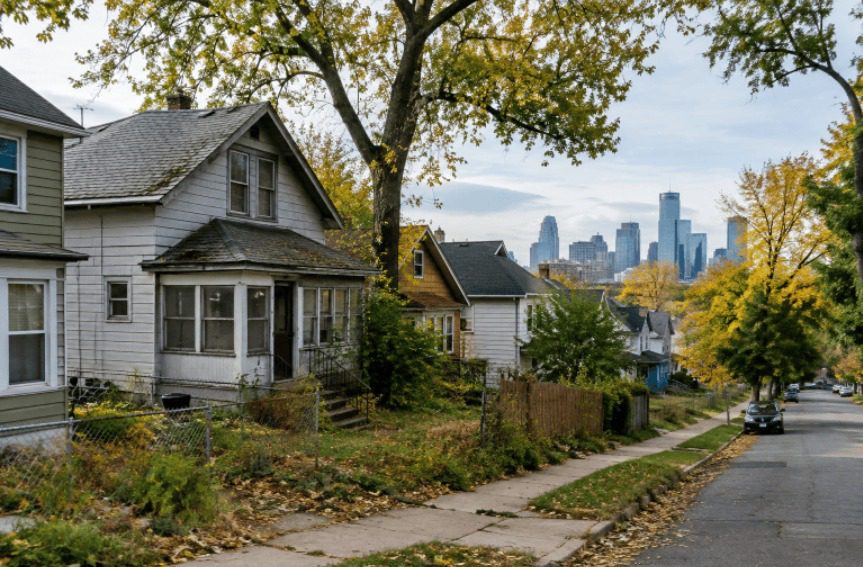

Older homes with radiator heating systems often exude charm and character, but maintaining a comfortable indoor environment can be a challenge. Drafts, uneven heating, and outdated components can all contribute to discomfort, especially during colder months. However, with the right strategies and a thoughtful approach, it is possible to significantly enhance the comfort of your living spaces without sacrificing the unique appeal of your home. From optimizing your radiators to improving insulation and airflow, there are several effective ways to create a cozier, more inviting atmosphere in an older house equipped with radiators.
Key strategies for better comfort
Understanding Radiator Heating in Older Homes
Radiator heating systems have been a staple in older homes for generations, providing reliable warmth through a network of pipes and radiators that distribute heat from a central boiler. These systems work by circulating hot water or steam through the radiators, which then emit heat into the rooms. While this method can be highly effective, it often comes with challenges such as uneven heat distribution, slow response times, and inefficiencies caused by aging infrastructure. Many older homes were not designed with modern insulation standards in mind, which can lead to heat loss and drafts that make it difficult to maintain a consistent temperature. Understanding how your radiator system operates, including the type of radiators and boiler you have, is the first step toward making meaningful improvements. Regular maintenance, such as bleeding radiators to remove trapped air and checking for leaks, can help ensure your system is functioning as efficiently as possible. Additionally, being aware of the limitations and strengths of radiator heating allows you to make informed decisions about upgrades and complementary solutions that can enhance comfort throughout your home.
Optimizing Radiator Performance
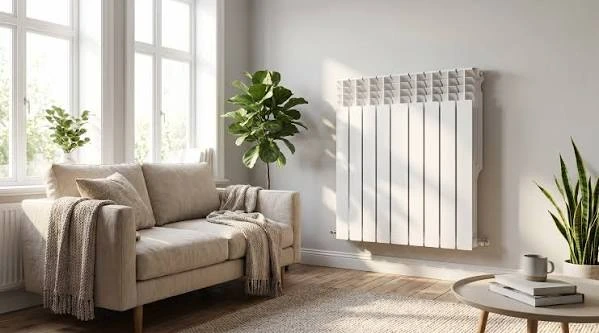
To maximize the comfort provided by your radiators, it is important to focus on both the efficiency of the system and the way heat is distributed within each room. One effective approach is to ensure that radiators are not obstructed by furniture, curtains, or other objects, as this can block the flow of warm air and reduce overall effectiveness. Reflective panels placed behind radiators can help direct more heat into the room rather than allowing it to escape through exterior walls. Upgrading to thermostatic radiator valves allows for better control over individual room temperatures, helping to eliminate hot and cold spots. For those seeking professional guidance on optimizing their radiator system, Click here for more information on available services and solutions. Regularly cleaning radiators to remove dust and debris also improves heat output, while periodic inspections of the boiler and pipework can identify issues before they become major problems. By taking these steps, homeowners can significantly improve the performance of their radiator heating system and enjoy a more comfortable indoor environment.
Improving Insulation and Reducing Drafts
One of the most significant factors affecting indoor comfort in older homes is the quality of insulation and the presence of drafts. Many older houses were constructed before modern insulation standards were established, resulting in walls, floors, and ceilings that allow heat to escape easily. Upgrading insulation in key areas such as attics, basements, and exterior walls can make a dramatic difference in retaining warmth and reducing energy consumption. Sealing gaps around windows, doors, and baseboards with weatherstripping or caulk helps prevent cold air from entering and warm air from escaping. Heavy curtains or thermal blinds can further enhance insulation around windows, especially during the winter months. Addressing drafts not only improves comfort but also reduces the workload on your radiator system, leading to lower heating costs and a more consistent indoor temperature. Investing in these improvements can transform an older home into a much cozier and more energy-efficient space, making it easier to enjoy the unique character of your residence without sacrificing comfort.
Enhancing Airflow for Even Heating
Proper airflow is essential for achieving even heating throughout an older home with radiators. In many cases, rooms may feel stuffy or have uneven temperatures due to poor circulation of warm air. Simple adjustments, such as using ceiling fans set to rotate clockwise during the winter, can help distribute heat more evenly by pushing warm air down from the ceiling. Keeping interior doors open allows heat to flow freely between rooms, reducing temperature differences and creating a more balanced environment. In some cases, adding small, quiet fans near radiators can help move warm air into colder corners of a room. It is also important to ensure that radiators are properly sized for each space, as undersized units may struggle to provide adequate warmth. By paying attention to airflow and making small changes to encourage better circulation, homeowners can enjoy a more comfortable and inviting atmosphere throughout their older home.
Smart Thermostats and Modern Controls
Integrating modern controls such as smart thermostats can greatly enhance the comfort and efficiency of radiator heating systems in older homes. Smart thermostats allow for precise temperature control and scheduling, enabling homeowners to tailor heating patterns to their daily routines. Many models can be programmed remotely via smartphone apps, making it easy to adjust settings on the go. Some smart thermostats are compatible with zoned heating systems, allowing different areas of the home to be heated independently based on occupancy and preference. This level of control not only improves comfort but also helps reduce energy consumption by avoiding unnecessary heating of unoccupied spaces. Upgrading to a smart thermostat is a relatively simple way to bring modern convenience to an older home, making it easier to maintain a comfortable indoor environment while keeping heating costs in check.
Quick Tips for Immediate Comfort
Small changes can make a noticeable difference in comfort. Placing area rugs on hardwood or tile floors helps retain warmth and reduces the chill underfoot. Regularly checking and adjusting radiator valves ensures each room receives the right amount of heat. Using draft stoppers at the base of doors can quickly block cold air from entering, making living spaces feel cozier almost instantly.
Maintaining Your Radiator System
Ongoing maintenance is crucial for ensuring that your radiator heating system continues to operate efficiently and reliably. Scheduling annual inspections of your boiler and radiators can help identify potential issues before they lead to breakdowns or reduced performance. During these inspections, a professional can check for leaks, corrosion, and other signs of wear that may affect the system’s ability to provide consistent heat. Bleeding radiators to remove trapped air is another important maintenance task, as air pockets can prevent hot water or steam from circulating properly, resulting in cold spots and reduced efficiency. It is also advisable to monitor the pressure levels in your boiler and top up as needed to maintain optimal performance. Keeping the area around radiators clear of dust and debris not only improves heat output but also extends the lifespan of the system. By staying proactive with maintenance, homeowners can avoid unexpected disruptions and enjoy a warm, comfortable home throughout the heating season.
Conclusion
Improving indoor comfort in an older home with radiators is entirely achievable with a combination of thoughtful upgrades, regular maintenance, and attention to insulation and airflow. By understanding how your radiator system works and making targeted improvements, you can create a more consistent and inviting indoor environment. Modern controls, enhanced insulation, and simple adjustments to daily routines all contribute to a cozier home, allowing you to enjoy the unique character of your older residence without sacrificing comfort. With the right approach, your radiator heating system can continue to provide reliable warmth for years to come, making your home a welcoming retreat in any season.