

Key Takeaways
- A coastal home can provide lifestyle value and long-term appeal, but the purchase price is only part of the ownership cost.
- Insurance, flood exposure, elevation, wind protection, drainage, and maintenance deserve early attention.
- Older homes, waterfront properties, and condominiums often require more detailed due diligence.
- The right property depends on daily needs, financial comfort, risk tolerance, and plans for using the home.
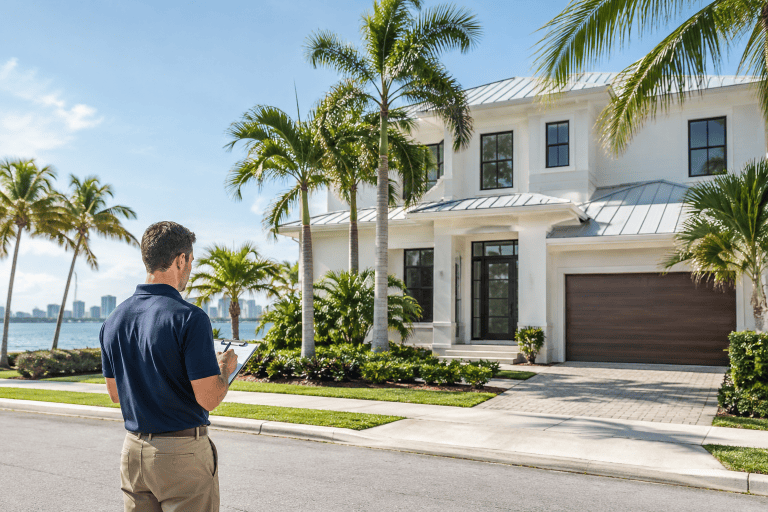
Buying near the water in West Palm Beach can mean easy access to beaches, marinas, Intracoastal views, parks, dining, and year-round outdoor living. It can also mean evaluating details that may not matter as much in an inland purchase, including flood exposure, wind resistance, insurance availability, drainage, and the condition of exterior features.
For buyers who want neighborhood-level guidance, West Palm Beach real estate experts Renny Realty offers a South Florida real estate resource for buyers, sellers, renters, investors, and commercial clients. Renny Realty focuses on West Palm Beach and Palm Beach County, while also serving coastal markets such as Hutchinson Island, Jensen Beach, Vero Beach, and Port St. Lucie, making its local market focus especially relevant for buyers comparing waterfront and near-coastal properties.
Why Coastal Homes Attract Buyers
West Palm Beach offers several versions of coastal living. A waterfront property may provide a dock, direct water views, or boating access. A near-coastal home may offer a shorter drive to the beach while avoiding some waterfront maintenance. An inland neighborhood can provide more space or a different price point while remaining close to cultural attractions, shopping, and Palm Beach County amenities.
That setting has trade-offs. Salt air, intense sun, wind-driven rain, and heavy seasonal rainfall can affect roofs, exterior finishes, windows, landscaping, pools, docks, and seawalls. Buyers should look beyond the view and consider how the property will function and what it will cost to maintain over time.
Start With the Total Cost
A realistic ownership budget includes more than the mortgage payment. Before making an offer, estimate property taxes, homeowners or condominium insurance, possible flood coverage, utilities, association dues, and routine maintenance. Waterfront homes may also require planning for pool care, dock equipment, seawall upkeep, or more frequent exterior maintenance.
Costs to Add Before Making an Offer
- Homeowners or condominium insurance premiums and deductibles
- Flood insurance, whether required by a lender or chosen for added protection
- Windstorm deductibles and wind-mitigation documentation
- HOA or condominium dues
- Roof, pool, landscaping, dock, seawall, and exterior maintenance
- Potential special assessments for shared community repairs
Request written insurance estimates during the inspection period, not after contingencies have expired. A home that appears affordable at first can become a poor fit if adequate coverage is costly, limited, or unavailable on acceptable terms.
Review Flood and Storm Risk
Flood-zone research is a practical part of buying in coastal Florida, not an automatic reason to reject a home. Start by reviewing the property address in the FEMA Flood Map Service Center, then ask for available elevation information, prior flood or water intrusion disclosures, drainage details, and records of storm-related repairs.
Flood maps are only one part of the picture. Heavy rainfall, nearby canals, driveway grading, low garage areas, road access, and aging drainage systems can all influence how a property performs during severe weather. Ask how water moves across the lot and whether the home has had roof leaks, window intrusion, or water entering living areas.
Questions to Ask About Flood Exposure
- Which flood zone applies to the property?
- Is an elevation certificate available?
- Has the home, garage, or building experienced water intrusion?
- How does the site drain after prolonged rainfall?
- Are roads, docks, garages, or access points vulnerable during storms?
- What coverage is included in the insurance quote, and what is excluded?
Schedule the Right Inspections
A standard inspection is essential, but coastal properties often benefit from additional specialists. The appropriate scope depends on the home’s age, construction, proximity to water, and features.
- General home inspection: Review visible structural components, roof condition, electrical, plumbing, HVAC, windows, doors, and drainage concerns.
- Wind-mitigation inspection: Document features that may affect storm resistance and insurance eligibility.
- Four-point inspection: Review the roof, electrical, plumbing, and HVAC systems when an insurer requests it.
- Wood-destroying organism inspection: Check for termites and other pests, particularly in older homes.
- Specialty inspections: Consider seawall, dock, pool, roof, or structural evaluations when those components are present or raise concerns.
Check Condo and HOA Records
A well-finished condominium unit can still be part of a building with major expenses ahead. Request the current budget, financial statements, reserve information, insurance declarations, meeting minutes, repair plans, inspection reports, and pending assessment details. Florida condominium buyers can also use the state’s condominium information and resources to understand current regulatory requirements and association-related guidance.
Pay close attention to rules affecting rentals, pets, renovations, parking, guest access, and move-in procedures. Association fees can change when insurance, reserve funding, roof work, structural repairs, or other shared costs increase, so read the documents before the review deadline.
Compare Neighborhood Lifestyle Factors
Compare neighborhoods based on daily practicality rather than relying on a single showing. Visit at different times of day and, if possible, on both weekdays and weekends. A quiet street in the morning may have heavier traffic later, while a beach-adjacent area may feel very different during busier seasons.
- Commute time, schools, medical care, shopping, and airport access
- Traffic, noise, privacy, and parking patterns
- Beach access, public parking, parks, and walkability
- Short-term rental restrictions and community rules
- Emergency routes and plans for severe-weather preparation
Build a Smart Offer Strategy
Use recent comparable sales, days on market, inspection findings, and insurance estimates to shape an offer. The strongest offer is not always the highest one. Clear financing, a realistic closing schedule, well-defined inspection terms, and appropriate insurance contingencies can matter to sellers as well.
Review deadlines for inspections, financing, appraisals, association document access, and insurance approval. If repairs are needed, decide whether a repair request, credit, price adjustment, or willingness to accept the condition as-is best matches the property and your budget.
Questions to Ask Before Closing
Can a home outside a high-risk flood zone still flood?
Yes. A lower-risk map designation does not mean zero risk. Local drainage, rainfall, storm surge, grading, and nearby waterways can still affect a property.
Does a waterfront view always add value?
Views and water access can add appeal, but value depends on location, frontage, access, privacy, condition, maintenance obligations, and buyer demand.
Should buyers avoid older homes?
Not necessarily. Older homes may offer character and established locations, but buyers should closely examine roofs, plumbing, electrical systems, permits, windows, prior repairs, and storm-protection features.
Final Checklist
- Confirm the full monthly ownership budget.
- Request insurance quotes early.
- Review flood maps, elevation information, and drainage conditions.
- Inspect major systems and add specialty inspections when warranted.
- Check permits for additions and renovations.
- Review condominium or HOA financial documents and rules.
- Visit the neighborhood more than once.
- Set clear deadlines for inspection, financing, and insurance.
Buying a coastal home in West Palm Beach is both a lifestyle decision and a long-term financial commitment. Careful review of insurance, inspections, flood exposure, association records, and neighborhood fit can help buyers move forward with a clearer understanding of the property and its responsibilities.