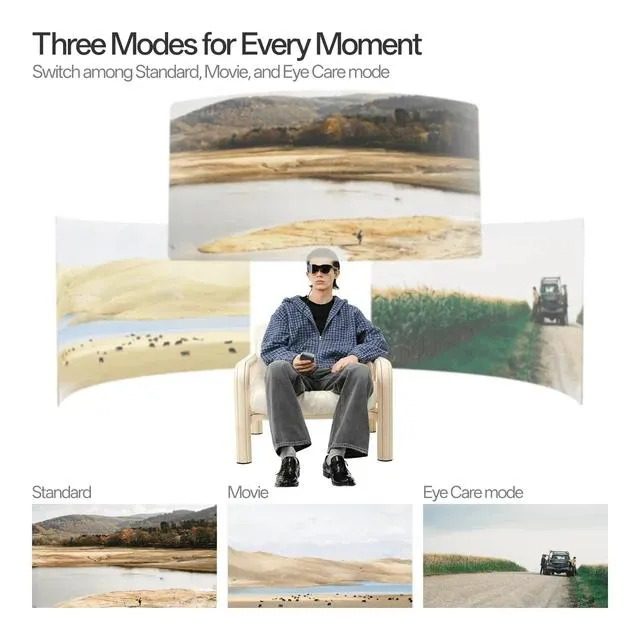


AR glasses are generally safe for your eyes during long use when they are well designed and used with sensible viewing habits. Most discomfort linked to extended wear is temporary, such as eye strain, dryness, or mild blurred vision after focusing for long periods. These effects usually come from brightness, display placement, reduced blinking, and visual fatigue rather than permanent damage. The key question is not simply whether AR glasses are safe, but which design choices make them more comfortable over time. Display quality, optical alignment, weight, and low blue light performance all matter. If you plan to wear AR glasses for work, navigation, translation, or notifications throughout the day, understanding these factors can help you choose a model that supports better eye comfort.
How AR Glasses Affect Your Eyes During Extended Use
Eye Strain, Dry Eyes, and Temporary Blurred Vision
Long sessions with AR glasses can leave your eyes tired, dry, or slightly unfocused for a short time afterward. Eye strain often happens when your eyes keep shifting attention between the real world and digital overlays. Dry eyes are also common because people tend to blink less while reading floating text or following visual prompts. Temporary blurred vision may appear after prolonged concentration, especially if brightness is high or content stays fixed in one area of view. These symptoms usually fade after rest and are not the same as lasting eye damage. However, frequent discomfort is a sign to adjust fit, reduce session length, improve lighting, and give your eyes regular breaks during daily use.
Blue Light, Brightness, and Visual Fatigue Explained
Visual fatigue is often linked to a combination of blue light exposure, excessive brightness, and poor flicker control rather than one single cause. If a display is too bright for the surrounding environment, your eyes work harder to stay comfortable, especially during indoor use. Blue light can also contribute to discomfort for some users during long viewing sessions, particularly in the evening. That is why eye comfort certifications matter. RayNeo iO Smart Glasses are certified by TÜV SÜD for low blue light and flicker free performance, which helps support more comfortable prolonged viewing. Their eye-level brightness reaches 1300 nits, so proper brightness adjustment remains important to reduce fatigue and keep overlays readable without overloading your eyes.
What Factors Determine AR Glasses Eye Comfort?
Display Distance, Focus, and Virtual Screen Position
Comfort depends heavily on where the virtual image appears and how naturally your eyes can engage with it. If digital content feels too close, too high, or poorly aligned, your eyes may need to work harder to maintain focus. A stable virtual screen position can reduce unnecessary refocusing and make notifications or text easier to view over time. Optical design also matters because it shapes how clearly the image sits within your field of view. RayNeo iO uses a binocular MicroLED plus diffractive waveguide display system with a 33-inch invisible AI display and a 23.5° field of view, designed to keep information accessible without fully blocking your surroundings. That balance can improve long-session visual comfort significantly.
Brightness, Refresh Rate, and Optical Display Quality
Brightness and optical quality strongly influence whether ar glasses feel comfortable after hours of wear. A clear image with balanced contrast reduces the urge to squint, while stable visuals help prevent fatigue. Good display engineering also minimizes distractions such as shimmer, color inconsistency, or flicker that can make your eyes feel overworked. Transparency matters too, because a more natural view of your surroundings lowers visual conflict between real and digital elements. RayNeo iO offers 97% active display transparency, a monochrome green display, and a color difference index of ΔE<2.52, supported by its Firefly Nano Optical Engine. It also meets EN ISO 12312-1 standards, giving users added confidence in optical performance and everyday eye comfort.
How to Choose AR Glasses for Comfortable Viewing
Key Display and Ergonomic Features to Evaluate
When choosing AR glasses for long use, prioritize both display comfort and physical wearability. Look for low blue light and flicker-free certification, adjustable brightness, strong transparency, and an optical system that keeps text sharp without forcing your eyes to hunt for focus. Lightweight frames are equally important because pressure around the nose and temples can add to overall fatigue. A secure fit helps maintain stable image alignment, which supports easier viewing. Also consider battery life if you plan to wear the glasses throughout the day, since frequent charging interrupts regular use. Simple controls, voice input, and quick access to notifications or translation can further reduce visual effort by making interactions feel more natural.
Explore AR Glasses Options at RayNeo
If you want AR glasses built for everyday viewing comfort, RayNeo offers an option worth exploring. RayNeo iO Smart Glasses combine a lightweight 33g design with AZ91D magnesium-aluminum alloy frames and dual aerospace-grade titanium alloy temples, helping reduce wearing fatigue during longer sessions. Their transparent display approach keeps essential information in view without isolating you from your surroundings. Features like translation, notes, notifications, voice input, head gesture input, and Bluetooth 5.4 support practical daily use rather than novelty alone. With up to 2 days of typical usage, they are designed for regular wear across work and personal tasks. For users focused on comfort, optical clarity, and convenience, that combination makes sense.
Conclusion
AR glasses are safe for your eyes during long use when the device is designed well and you use it thoughtfully. The most common issues are temporary eye strain, dryness, and visual fatigue, not permanent harm. To stay comfortable, choose glasses with strong optical quality, low blue light and flicker-free performance, balanced brightness, and a lightweight frame that keeps the display aligned. It also helps to lower brightness when possible, blink more often, and take short breaks during extended sessions. If you are shopping for a pair built around everyday usability, RayNeo iO Smart Glasses stand out for their transparent display, comfort-focused design, and eye protection certifications. Better hardware and better habits together create a safer, easier viewing experience.