
Introduction
A well-managed firewood supply can make everyday heating and outdoor activities much easier. Instead of searching for logs at the last minute or discovering that stored timber has become damp, households can establish a simple routine for purchasing, organising and using their wood.
Firewood management is not just about buying enough timber. It also involves keeping different sizes organised, protecting the supply from weather, monitoring consumption and making sure fuel is suitable for the appliance. A little organisation can save time and help homeowners avoid unnecessary waste.
Whether a property uses a fireplace regularly or only enjoys an occasional outdoor fire, developing a practical firewood routine can improve convenience throughout the year.
1. Start by Understanding Your Household's Firewood Habits
Every household uses firewood differently. Some families operate a wood heater throughout colder months, while others light a fireplace occasionally for atmosphere. Outdoor fire pits and cooking appliances can create additional requirements.
Before organising a supply, consider how frequently each fire facility is used. Think about the number of people in the household, the typical duration of each fire and whether more than one appliance uses the same fuel.
It can be helpful to keep a simple record for a few weeks. Note how many logs are used during each session and how often additional wood needs to be brought inside or moved from storage.
These observations can help estimate future consumption. Rather than guessing how much timber will be needed for an entire season, homeowners can use their actual experience to plan more accurately.
The objective is to maintain a suitable supply without occupying unnecessary space or allowing excess timber to remain unused.
2. Create Separate Areas for Different Log Sizes
Not all firewood pieces serve the same purpose. Smaller pieces can be useful when establishing a fire, while larger logs may be more appropriate once a stable bed of embers has developed.
Keeping different sizes organised makes everyday use more convenient. Instead of searching through an entire stack, household members can select the pieces required for the next stage of a fire.
- Consider creating three simple categories:
- Small pieces: Suitable for kindling arrangements and helping establish a fire, provided they are appropriate for the appliance.
- Medium logs: Useful for building a stable fire after ignition.
- Larger logs: Often suitable for maintaining a fire once sufficient heat and embers have developed.
The exact sizes will depend on the fireplace or heater. Always follow the appliance manufacturer's instructions regarding acceptable log dimensions.
A small covered storage rack near the heating area can hold a limited quantity for immediate use. The main supply should remain in a suitable outdoor storage location.
3. Choose Hardwood According to Your Heating Requirements
Selecting the right timber is an important part of managing firewood. Different varieties have different densities and burning characteristics, which can influence how they perform in a particular appliance.
Jarrah is a well-known Western Australian hardwood valued for its density, strong heat output and long-lasting coals. It can be a suitable option for households looking for a substantial, sustained fire.
For customers comparing available varieties, jarrah firewood provides information about Jarrah Only, Jarrah Bush Mix and Budget Burner options. Each product has different characteristics and intended applications.
A household that regularly uses an indoor wood heater may prioritise a dense hardwood, while someone using an outdoor fire pit may prefer a versatile and economical option.
The important thing is to match the fuel to the equipment and intended use. Do not assume that every hardwood product is suitable for every appliance. Check the manufacturer's fuel recommendations before purchasing.
4. Set Up a Main Storage Area
A dedicated storage area makes it easier to keep track of available firewood. It also protects the supply from conditions that can affect its quality.
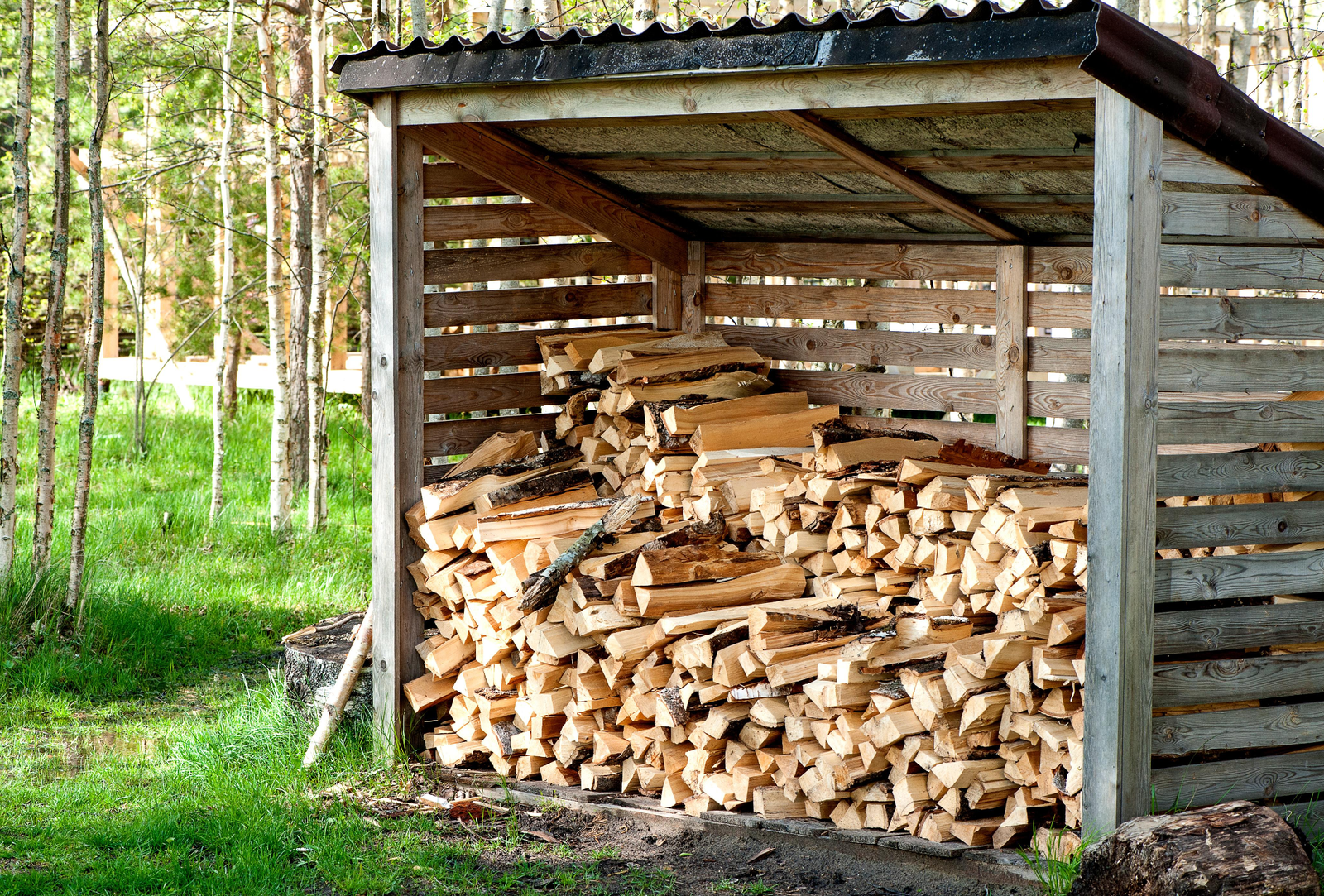
Choose a location that offers shelter from direct rain while allowing air to circulate. A suitable shed, covered rack or well-ventilated outdoor storage structure may work.
The main supply should be raised off the ground using pallets or an appropriate rack. This reduces direct contact with damp surfaces. Leave space between the stack and nearby walls rather than pushing every log tightly against a structure.
Avoid completely enclosing the timber in a way that traps moisture. A cover should provide protection while allowing suitable ventilation.
It is also important to keep the storage area organised. Leave enough room to remove logs safely without destabilising the rest of the stack.
5. Use a First-In, First-Out System
One simple way to manage firewood is to use older stock before opening or stacking newer purchases in front of it.
This approach is commonly known as first-in, first-out stock rotation. It helps prevent older timber from being forgotten at the back of a storage area.
When a new delivery arrives, place it in a separate section or arrange the stack so that the existing supply remains accessible. Use clear divisions if different varieties or purchases need to be kept apart.
A basic label or note can record when each batch arrived and which timber it contains. This can be especially useful for larger properties or households with several storage locations.
Stock rotation also makes it easier to identify problems. If a section has been exposed to rain or damaged packaging, it can be inspected before the wood is mixed with the rest of the supply.
6. Keep a Small Everyday Supply Near the Appliance
Walking to an outdoor wood store every time a log is needed can become inconvenient, particularly during wet or cold weather.
A small indoor or sheltered supply can make daily use easier. Keep only the quantity required for immediate use, and choose a location that is safe and appropriate for the household.
A sturdy basket, rack or log holder can help keep the area tidy. It should be positioned away from open flames, hot surfaces and anything that could ignite.
Do not bring an entire outdoor stockpile indoors. The main supply should remain in its designated storage area, and the indoor quantity should be replenished as needed.
This simple arrangement reduces repeated trips while helping prevent unnecessary clutter around the fireplace.
7. Monitor Consumption and Reorder Before Supplies Run Low
A firewood routine works best when purchasing decisions are based on consumption rather than guesswork.
Check the remaining supply regularly, perhaps once a week during periods of frequent use. Estimate how long the available quantity is likely to last and allow time for arranging another delivery.
Households with limited storage may prefer smaller or more frequent purchases. Properties with substantial storage capacity and regular heating requirements may benefit from a larger delivery.
When comparing options, consider both the amount supplied and the type of timber. JJ's Firewood provides several load sizes, from smaller trailer deliveries to larger truck loads, and also offers bagged firewood.
For households looking for firewood perth, reviewing the available products and delivery options can help determine which supply arrangement is appropriate.
It is useful to confirm the measurement system before ordering. JJ's Firewood measures its loads using front-end loader scoops, while the listed weights are approximate. This distinction helps customers understand what they are purchasing.
8. Keep the Storage Area Clean and Accessible
A firewood store should be easy to inspect and use. Loose bark, small wood fragments and accumulated debris can make the area untidy and create unnecessary obstacles.
Sweep the surrounding space periodically and remove waste materials. Keep pathways clear so that logs can be carried safely.
Avoid stacking timber in front of doors, electrical equipment or access routes. The storage arrangement should not interfere with normal property maintenance or emergency access.
It is also sensible to inspect the area for signs of unwanted pests or deterioration. Keep the timber away from locations where moisture regularly collects, and address any water leaks that could affect the stored supply.
Good housekeeping makes it easier to monitor stock and maintain a safe working area.
9. Establish a Regular Appliance Maintenance Routine
Managing the fuel supply is only one part of responsible firewood use. The appliance and its surrounding equipment also need attention.
Wood heaters and fireplaces should be inspected according to the manufacturer's guidance. Chimneys and flues require appropriate inspection and cleaning to remove accumulated deposits and maintain safe operation.
Check door seals, visible components and air controls for signs of wear or damage. If something appears faulty, arrange an inspection by a qualified professional rather than attempting an unsuitable repair.
Smoke alarms and carbon monoxide alarms should be installed where required and tested regularly. Make sure household members understand how to operate the appliance safely.
Using suitable, untreated and properly seasoned firewood is also important. Avoid burning painted, treated or contaminated timber.
10. Prepare for Changes in Household Demand
Firewood consumption can change as family routines, weather and property requirements change.
A household may use more fuel during a particularly cold period or less when temperatures become milder. Guests, renovations or changes in heating arrangements can also affect demand.
Review your supply plan from time to time instead of automatically repeating the same order every year.
If usage increases, consider whether the current storage area and delivery size remain appropriate. If consumption decreases, smaller purchases may be more practical.
Keeping a record of previous orders can make these adjustments easier. Write down the product, quantity, delivery date and approximate time it lasted.
Over time, this information provides a useful guide for planning future purchases.
11. Make Safety Part of the Routine
A good firewood management system should include basic safety practices.
Keep stored timber away from ignition sources and ensure that the storage arrangement does not obstruct access around the property. Only use suitable fuel in an appliance designed for wood burning.
When lighting an indoor fire, maintain appropriate ventilation and follow the manufacturer's instructions. Never leave a fire unattended, and keep children and pets away from hot surfaces.
For outdoor fire facilities, check local restrictions and fire danger information before lighting a fire. Keep the surrounding area clear, supervise flames and embers, and extinguish the fire completely before leaving.
These practices should remain consistent regardless of how frequently the household uses firewood.
Conclusion
An organised firewood routine can make heating and outdoor activities more convenient. By understanding household consumption, separating log sizes, maintaining suitable storage and monitoring stock, homeowners can manage their supply with less effort.
Choosing the right hardwood and working with a supplier that offers appropriate quantities are equally important. Regular appliance maintenance and responsible fire practices complete the process.
A simple system does not need complicated equipment or extensive planning. Consistent checks, sensible purchasing and proper storage can help keep firewood ready for use while making the entire household routine easier to manage.