
Ignition interlock installations are generally short appointments which have long tails. It takes a couple of hours to run the wiring but months to come to terms with the obligations created. Most problems that a monitoring authority has to deal with with an interlock-equipped driver will have their roots in the first few weeks after installation and not in the hardware itself.
This section is organized into three sections, 1) the installation, 2) the monthly service, and 3) key habits to prevent extended terms.
What the technician actually does at the appointment
Some organizations will require a copy of the driver’s license, order/referral form, vehicle registration, etc. To verify the identity of the driver and to verify ownership of the vehicle that the interlock will be installed on. Most organizations require written consent from the owner of the vehicle if the driver is not the owner of the vehicle. Consent forms are usually supplied and completed by the owner of the vehicle and signed in the shop prior to the interlock installation appointment.
The wiring and the first calibration
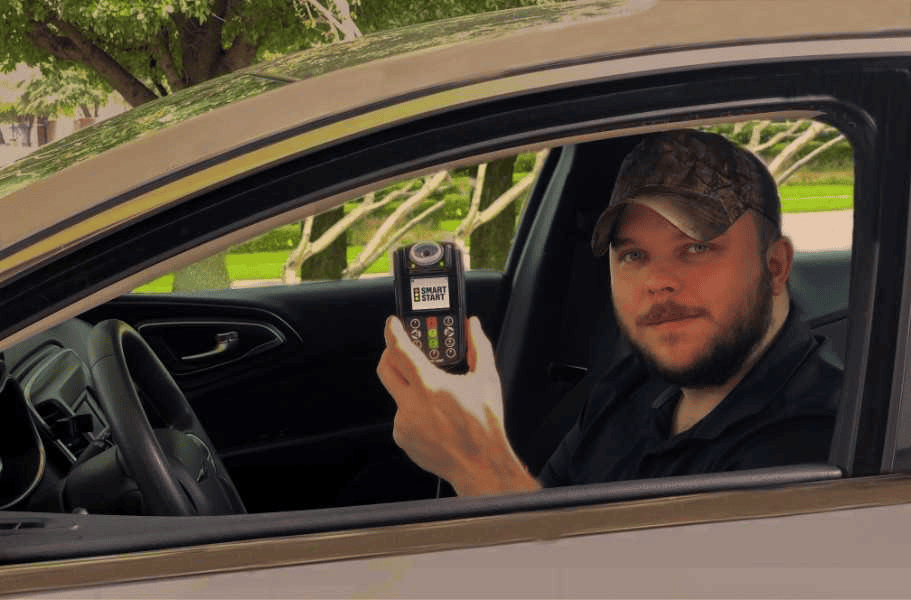
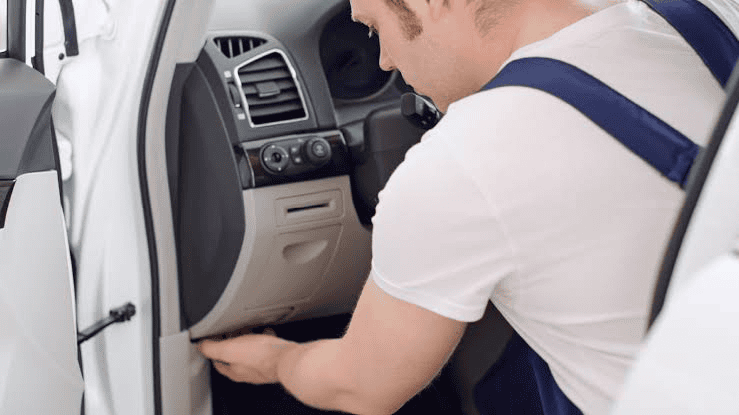
The device mounts to the air bag side of the driver’s seat. The control module is wired to the ignition switch, starter solenoid, and to a constant power source. This setup does not ever shut down an engine. Instead, it prevents the starter from engaging until a proper breath sample is given.
The installation includes a calibration check of the device for a known alcohol concentration as well as a locking of the monitoring unit to prevent tampering. Additionally, a tutorial is provided to inform the driver about the correct sampling technique, such as blow pattern and sampling time as well as sound. The driver must learn the correct way to use the breathalyzer device. Samples that are tried in error by guessing the correct way will be registered by the monitoring unit as an attempt to cheat and logged as such.
The first thirty days and where drivers get caught out
For the first week or so after installation, most interlock violations are procedural in nature and not caused by alcohol consumption. Some mouthwash, hand sanitizers, and breath sprays can cause a positive reading in a very short period of time. Furthermore, cold weather can cause sample aborts. It is not until the interlock user becomes familiar with the prompt for a rolling retest that most interlock violations occur.
- Wait at least fifteen minutes after eating, smoking, or using any alcohol-based product before testing, then rinse with water.
- Pull over safely for a rolling retest if traffic allows, but do not ignore the prompt.
- Never let another person provide a sample, even once. Camera-equipped units are standard in many programs and image review is routine.
- Report any failed start attempt tied to a vehicle fault, such as a weak battery, to the provider the same day.
The service and monitoring schedule
Typically, Breath Testing Devices must be calibrated and downloaded on a fixed interval (30 or 60 days) depending on the Jurisdiction and the specific Program Tier. Most hand held Breath Testing Devices start counting down to the required Service Date approximately 1 week prior to Service and start warning the driver of the required Service Date. Drivers who want this handled properly from the outset are usually better served by a shop that specializes in Rancho Cucamonga breathalyzer device installation and keeps a consistent calibration schedule. Failure to service the device prior to the lockout will result in the device locking out permanently and needing to be towed to a Repair Shop for Reinstallation.
| Stage | Typical timing | Purpose | Common failure point |
| Installation | Day one | Wiring, calibration, driver training, consent paperwork | Missing ownership documentation |
| First service visit | 5 to 30 days | Early data download, retraining if aborts are high | Driver assumes the first visit is optional |
| Routine monitoring | Every 30 to 60 days | Calibration, log download, tamper seal inspection | Permanent lockout from a missed appointment |
| Removal | End of restricted term | Final download, de-install, restoration of wiring | Removing before written authorization arrives |
What the download contains
For every event that occurs with a breath tester installed in a client’s vehicle, there is a date and time stamp associated with it and the event is transmitted to the monitoring authority in the state where the service was conducted typically within a few days of the service. The log contains information on start attempts, breath test results, retest refusals, loss of power to the breath tester, attempts to tamper with the breath tester’s wiring, etc. As a service provider, you cannot alter a log in any way. Any disputes concerning information contained in a log must be addressed with the monitoring authority in the state where the service was conducted and hopefully with some evidence to support the service provider’s position.
Removal, reporting, and jurisdictional variation
Removal of the device(s) is an event that must be authorized. Removal typically requires a written release from the issuing agency or court along with a clean final report. In several states, if there is a violation within the final 60-90 days of the interlock term, the interlock term will be extended. The technician will remove the control module(s), reconnect the original wiring harness and provide the driver with a removal certificate.
Confirm the rules that apply
Note that violation terms and lockout counts, as well as terms and reporting requirements, can differ dramatically from state to state as well as between the issuing agency (Court, Dept. Of Motor Vehicles, etc.) and the licensing authority (DMV, etc.). It is best to treat your interlock provider’s statements on these points as operational details and verify against the issuing documents and the relevant State licensing agency as well as possibly even with counsel.
Treat the interlock as a maintenance obligation with a set calendar date and it will remain unchanged. Handle it incorrectly and you risk experiencing the unpleasant sequence of lockouts, tows, and term extensions that can so easily cost more than the monthly lease to monitor.