
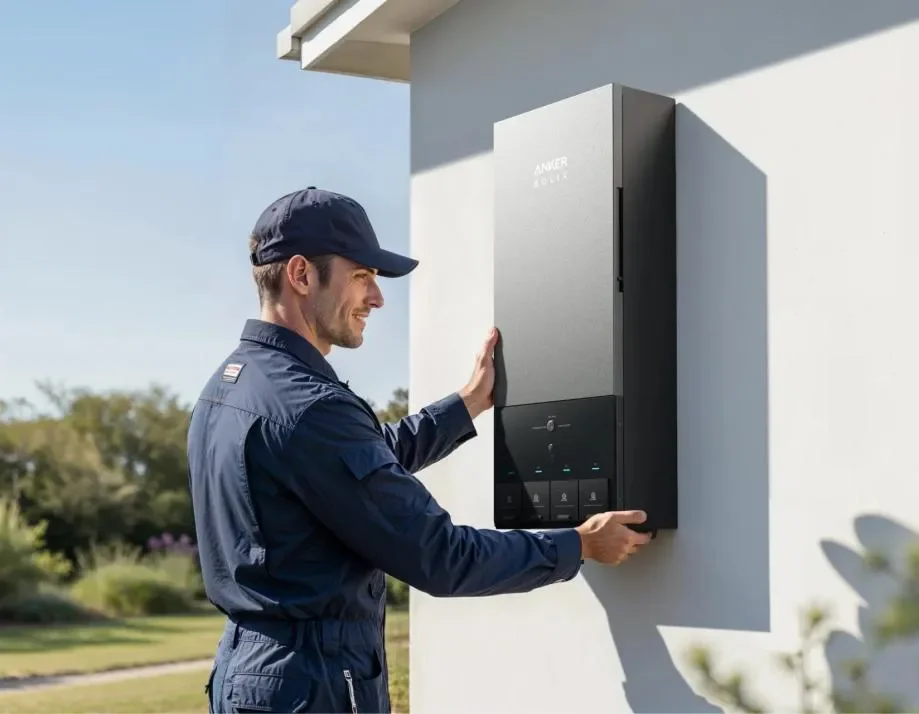
Setting up a solar generator is less about the unit and more about the site. The space has to be safe, the electrical connection has to be correct, and the paperwork has to satisfy the local authority. Miss any of the three, and a system that works perfectly on a bench becomes a problem in a home. This article covers the three conditions in the order they usually come up, explains what each one requires, and points out the checks that save a second visit from the electrician. The order is deliberate: a problem with space is easier to fix than a problem with the panel.
Space Conditions
Ventilated, dry placement area
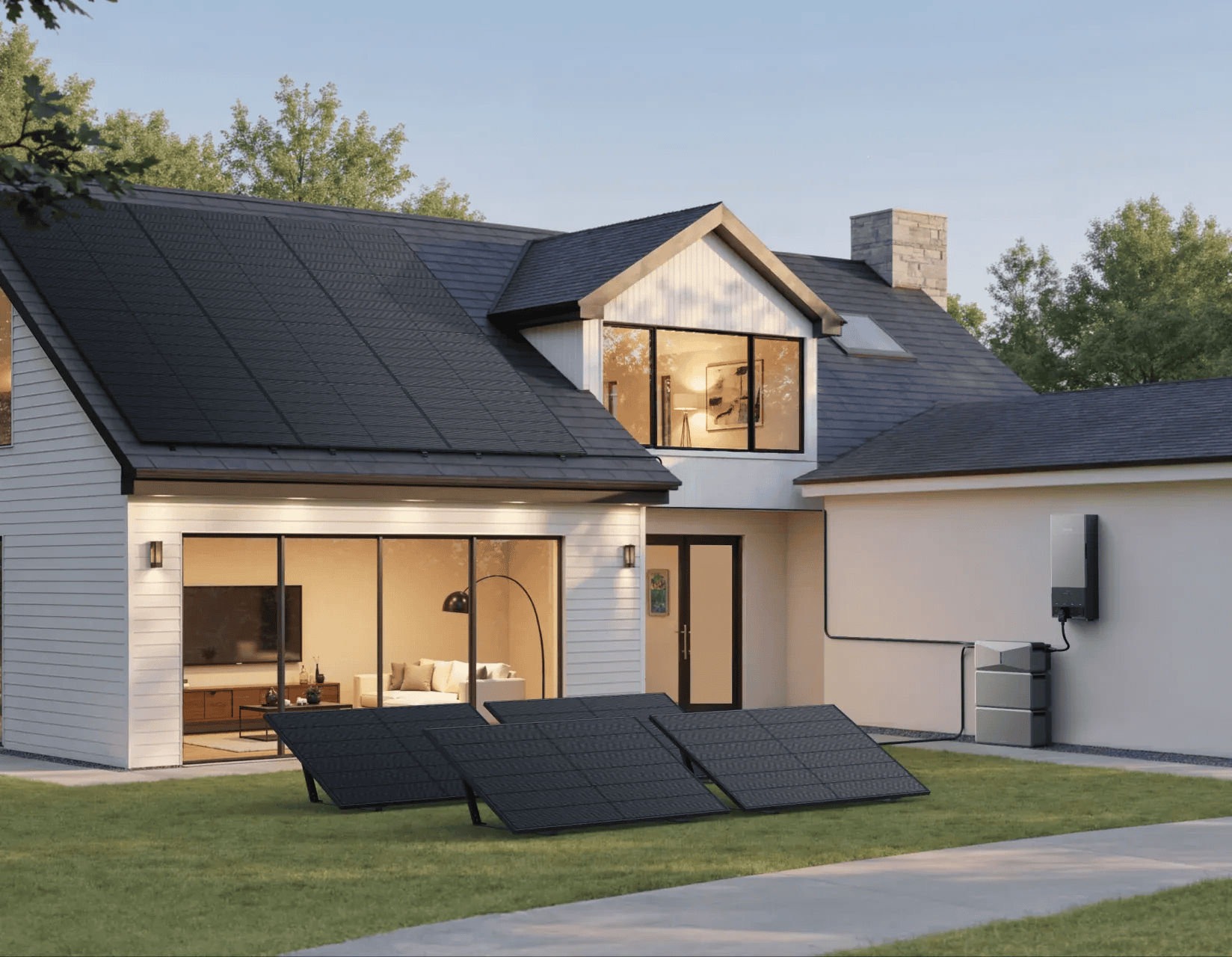
The first condition is space. The unit needs a flat, dry surface with clearance on every vented side, away from direct sun and anything that could trap heat. A closet is usually a bad choice, and a sealed cabinet is worse. Anyone planning a solar generator for home backup should measure the spot before buying, including the doorway it has to pass through. A unit that fits the shelf but not the door is a unit that lives in the garage instead. Airflow matters more than floor area, because a unit that cannot shed heat will throttle even in a cool room. Leave a hand’s width on every vented side. A waist-high shelf is a good compromise.
Unshaded outdoor or balcony spot for panels
Panels need their own space, ideally an unshaded roof, balcony, or wall that sees sun for most of the day. Check the path of the sun across the seasons before mounting anything, because a summer spot can be shaded in winter. Keep the panels away from walkways and anything that could fall on them. If the only option is a shaded balcony, plan for more panels or a longer charging window rather than expecting full output. A balcony rail mount keeps panels off the floor and out of shadow, and a roof mount needs a fixing that can handle wind. Check the bracket as carefully as the panel.
Electrical Conditions
Transfer switch or inlet kit for grid connection
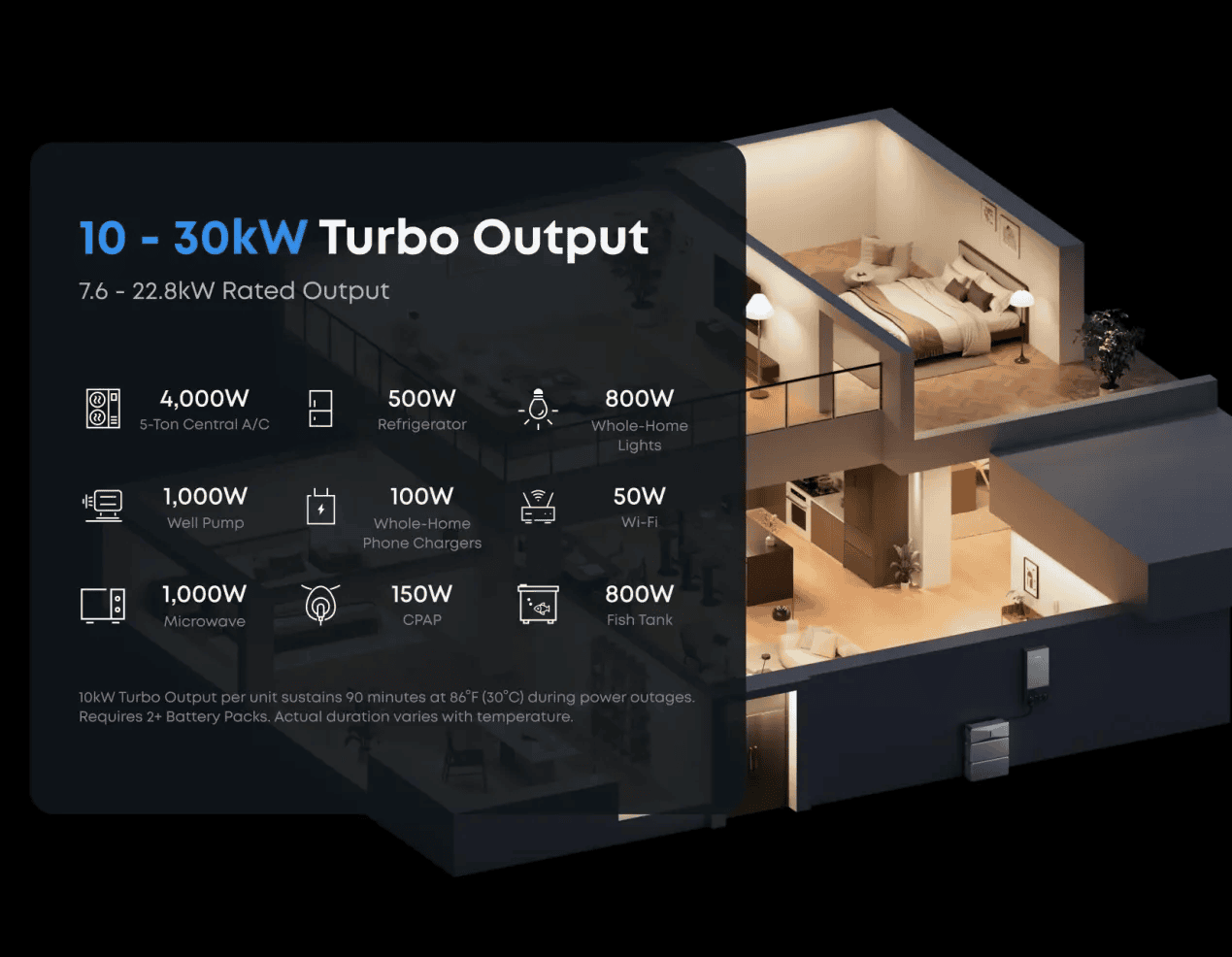
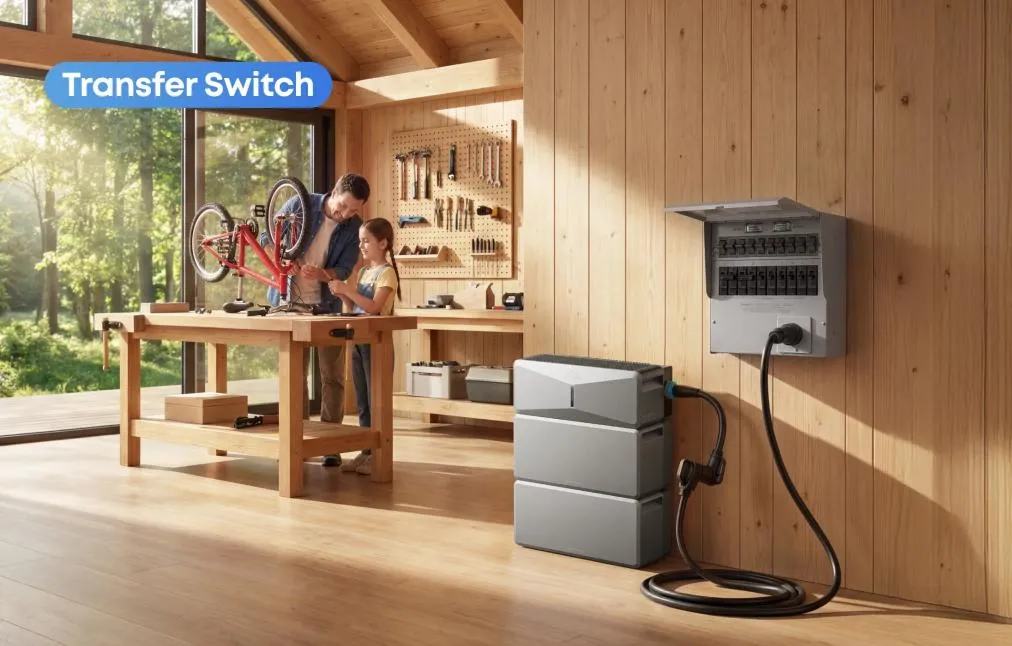
The second condition is the electrical connection. A transfer switch or an inlet kit lets the unit feed selected circuits without backfeeding the grid. The switch has to be rated for the load and installed so the two sources can never meet. The Anker SOLIX E10 Whole-Home Backup supports this with 120/240 VAC split-phase output and a 9,600W AC input bypass, so the same wiring can carry household loads and recharge from the grid. A proper connection is what turns a portable unit into a home system. The inlet should be close to the panel to keep the cable run short, and the switch should be labeled so the next person understands it. A quick walkthrough with the electrician is worth more than a manual in a drawer.
Circuit capacity and wire gauge requirements
Circuit capacity and wire gauge are the details that decide whether the connection is safe. A circuit that is already close to its limit cannot carry an extra load, and a wire that is too thin will heat up. Check the panel schedule, add up the existing loads, and size the breaker and the wire for the backup. If the numbers are close, a dedicated circuit is usually the better answer. This is not a place to guess. A clamp meter gives you the real load in minutes, and it is more honest than a label. If the panel is full, a subpanel or a dedicated circuit may be the only safe route.
Compliance Conditions
Local regulations and building rules
The third condition is compliance. Local rules govern where a battery can be installed, how it must be ventilated, and whether it counts as a structural change. Some areas require a permit for the electrical work; others require one for the battery as well. Check with the local building department before you buy, not after. A system that has to be moved or removed because of a rule is an expensive lesson in reading the fine print. Keep the paperwork with the unit, because the next owner or the next electrician will ask for it. A folder with the permit, the inspection, and the manual saves an hour of searching later.
Whether a licensed electrician is required
A licensed electrician is usually required for any work inside the panel, and sometimes for the inlet as well. The cost is small compared with the risk of a bad connection, and the paperwork is easier when a professional signs off. Ask for a quote that includes the permit, the inspection, and the labeling. A tidy install with clear labels is easier to service and easier to insure. The goal is a system that is safe, legal, and documented. Ask the electrician to walk you through the shutdown procedure before they leave. Knowing how to isolate the system is part of owning it, and it is the one thing you cannot look up during an outage.
Conclusion
Space, electrical, and compliance are the three conditions, and each one can stop a project if it is ignored. A safe spot, a proper connection, and the right paperwork are what separate a working installation from an expensive mistake. Check them in that order, and the installation becomes a routine job rather than a series of surprises. The conditions are not obstacles; they are the checklist that makes the system safe. A site that meets all three is a site where the unit can do its job for years. Start with the space, confirm the electrical path, and finish the paperwork before the first storm.