
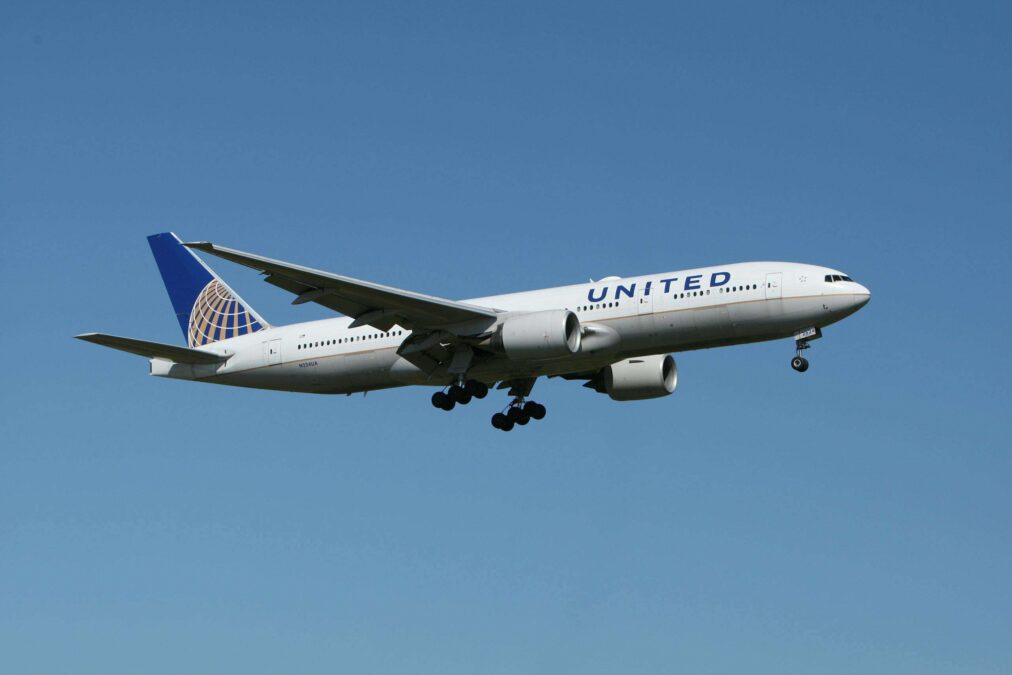

Overview of the Flight UA770 Incident
Transatlantic air travel is widely recognized as one of the most heavily regulated and safely executed modes of transportation in the world. When an unexpected situation arises mid-flight, pilot training and strict safety protocols immediately take precedence over flight schedules. On a routine journey across European airspace, a critical scenario unfolded that led to a United Airlines flight UA770 emergency diversion. The long-haul flight was carrying hundreds of passengers who anticipated a direct and comfortable passage across the Atlantic Ocean, only to find themselves landing at a completely different international airport.
The aircraft operating this specific transoceanic service was a modern Boeing 787-9 Dreamliner, departing from Terminal 1 at Barcelona El Prat Airport in Spain with a final scheduled destination of Chicago O’Hare International Airport in the United States. Shortly after reaching cruising altitude and setting a course toward the western horizon, an unexpected operational alert forced the flight crew to reconsider their flight trajectory. Rather than proceeding over open water, the pilots initiated a prompt course change, successfully guiding the wide-body aircraft to a safe touchdown at London Heathrow Airport in the United Kingdom.
In-Flight Timeline and Transponder Code 7700
As the Boeing 787-9 Dreamliner climbed through the upper atmospheric flight levels over continental Europe, the initial phase of the flight progressed without any visible complications. Cockpit personnel remained in constant communication with regional air traffic control centers, monitoring system diagnostics and weather conditions along the planned path. However, as the aircraft prepared to enter the transatlantic segment of the route, an unexpected in-flight issue prompted the pilots to initiate the United Airlines flight UA770 emergency diversion protocol to guarantee the absolute safety of everyone on board.
To immediately signal the nature of their situation to surrounding air traffic sectors, the flight crew manually set their onboard transponder to transmit Code 7700. In international aviation, squawking 7700 is the universal method for declaring a general emergency, which grants the aircraft immediate operational priority and dedicated tracking from ground controllers. Air traffic managers at London Heathrow swiftly organized a clear approach path, allowing the pilots to execute a gradual descent and make an uncomplicated landing on Runway 27R, where emergency ground crews stood by as a standard precautionary measure.
Investigating the Primary Causes Behind the Diversion

When analyzing any incident involving a United Airlines flight UA770 emergency diversion, aviation experts examine several key factors that dictate an immediate change in flight plan. In long-haul international aviation, sudden diversions are typically triggered by unexpected mechanical warnings, cabin pressurization irregularities, or severe medical situations requiring urgent attention on the ground. Modern flight crews are trained to treat all unverified system alerts with maximum caution, prioritizing immediate ground evaluation over continuing across vast stretches of open water.
Following the smooth touchdown and taxi to Gate B44 at London Heathrow, specialized maintenance engineers were deployed to inspect the aircraft thoroughly. Initial reports following such high-priority diversions often point to caution lights, sensor discrepancies, or potential technical anomalies that require immediate physical verification. United Airlines maintains a strict operational policy stating that any ambiguous indicator light detected prior to oceanic entry necessitates an immediate diversion to a fully equipped maintenance hub capable of resolving complex technical issues.
Passenger Care and Ground Operations in London
Managing an unexpected flight interruption involving hundreds of passengers requires immense coordination between airline representatives and airport operational teams. In the moments following the United Airlines flight UA770 emergency diversion, ground personnel at London Heathrow acted swiftly to accommodate the arriving travelers and manage the logistical challenges of an unscheduled arrival. Onboard cabin crew members maintained complete composure throughout the entire descent, keeping passengers informed and calm while executing standard safety protocols.
Once inside the terminal, passengers were provided with comprehensive assistance, including revised flight schedules, complimentary meal vouchers, and local hotel accommodations for those facing overnight delays. Airline dispatchers worked diligently behind the scenes to arrange replacement aircraft and adjust crew assignments to resume transatlantic service as quickly as possible. This organized response helped minimize passenger inconvenience while maintaining the high standards of care expected during an unexpected flight disruption.
Why Safety Protocols Dictate Mid-Air Diversions
Transatlantic flights operate under stringent international aviation framework guidelines, commonly known as Extended-range Twin-engine Operational Performance Standards. These rules dictate that before a twin-engine commercial airliner ventures far beyond suitable diversion airports, every critical onboard system must function within optimal performance limits. The United Airlines flight UA770 emergency diversion highlights how flight crews strictly adhere to these preventive measures, choosing to interrupt a journey early rather than taking unneeded risks over oceanic space.
Choosing London Heathrow as a diversion airfield provided significant advantages due to its expansive infrastructure, advanced maintenance hangars, and extensive medical resources. Diverting to a major global aviation hub ensures that any required mechanical repairs are handled by certified technicians using proper equipment. Commercial aviation maintains its stellar worldwide safety record precisely because flight operations prioritize caution and preventive landings over adhering to strict arrival schedules.
Conclusion
The unexpected redirection of Flight UA770 serves as a clear demonstration of the robust safety protocols that govern modern commercial aviation. While an unscheduled landing in London caused an unavoidable delay for traveling passengers, the professional performance of the flight crew and ground handling teams ensured a safe and controlled outcome. Ultimately, incidents like this reassure the traveling public that safety systems and crew training function effectively whenever unexpected anomalies occur in flight.
Frequently Asked Questions (FAQs)
What caused the United Airlines flight UA770 emergency diversion?
The flight was diverted after the cockpit crew received an unexpected system warning light that required immediate technical evaluation on the ground. To ensure total safety before attempting an oceanic crossing, the pilots opted to land at London Heathrow Airport for a complete mechanical inspection.
What was the original flight path for Flight UA770?
Flight UA770 was scheduled as a direct transatlantic service originating from Barcelona El Prat Airport in Spain and traveling to Chicago O’Hare International Airport in the United States.
What does squawking 7700 mean during a commercial flight?
Squawking 7700 is the official emergency transponder code used globally by pilots to notify air traffic control of an urgent situation on board. It grants the aircraft immediate priority for landing clearance and alerts emergency ground units to prepare for arrival.
Were any passengers or crew members injured during the event?
No, there were no injuries reported among any of the passengers or crew members on board. The pilot successfully completed a routine emergency landing without further incident.
How are passengers supported after an emergency diversion occurs?
Upon landing, airport ground teams and airline representatives assist passengers by providing meal vouchers, arranging hotel stays if required, and rebooking travelers onto alternative flights to ensure they reach their final destinations safely.
You may also read: Downloading and Installing Snaptroid on Mobile Devices