
Best Provoleta Near Me: Where to Find Grilled Provoleta
If you are searching for the best provoleta near me, you are looking for one of Argentina’s most loved dishes: a thick slice of provolone cheese, grilled until the outside is golden and crisp and the inside is soft and melted, usually served bubbling hot in a small cast-iron skillet. It is the classic starter of the Argentine asado, the country’s famous barbecue, and it has become a favourite far beyond Argentina. This guide explains what provoleta is, where to find it, what it tastes like, how much it costs and how to order it with confidence.
What Is Provoleta?
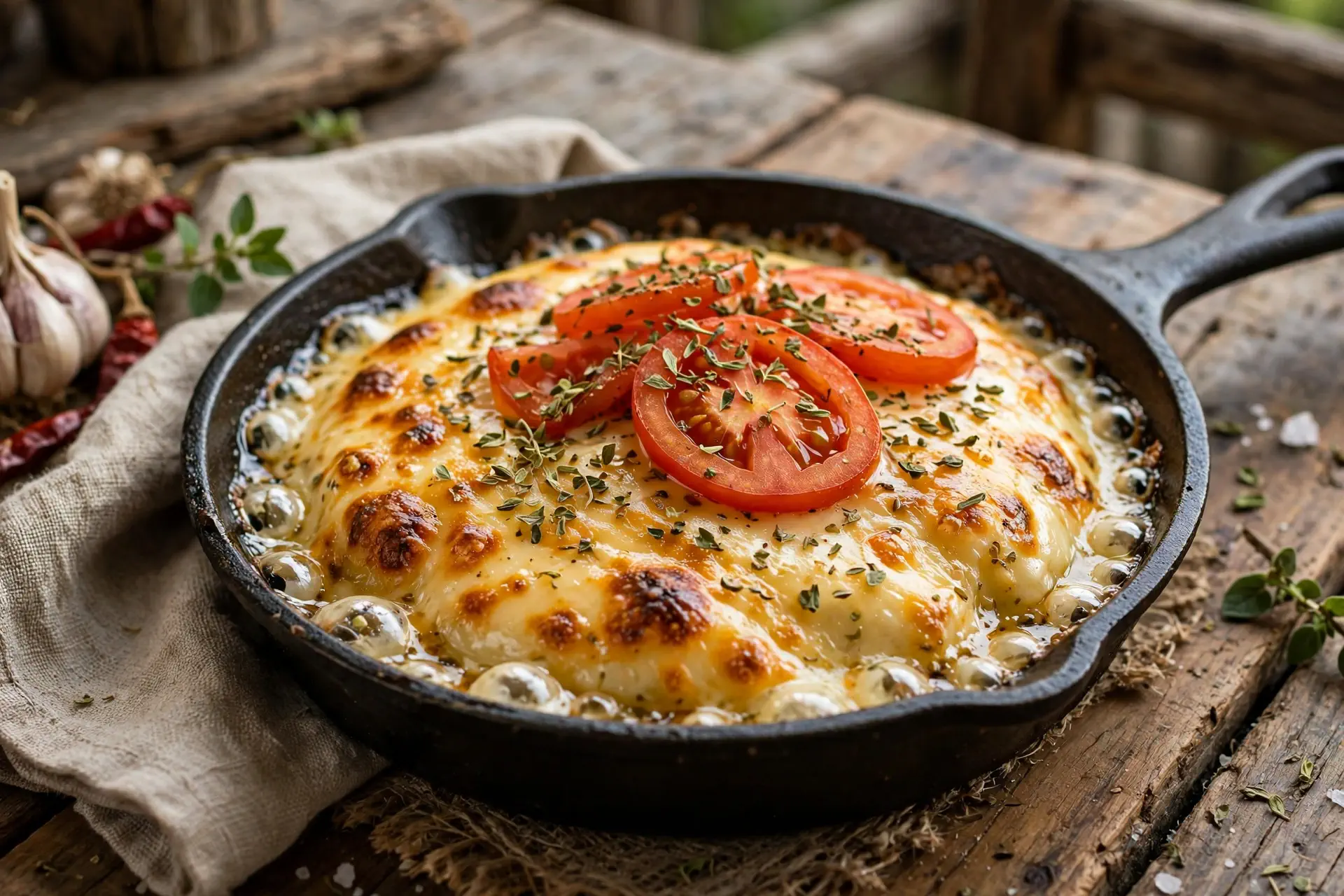
Provoleta is the Argentine version of grilled provolone cheese, and it is one of the most recognisable dishes to come out of Argentina’s barbecue culture. It starts with provolone, a semi-hard Italian cheese that was brought to Argentina by Italian immigrants, and it is transformed by heat into something quite different from the cheese you might slice for a sandwich. A thick round of provolone is grilled until it develops a golden crust on the outside while the centre turns soft, stretchy and molten, and it is then seasoned, most often with dried oregano and sometimes with chilli flakes or a drizzle of olive oil.
The dish is traditionally served as the first course of an asado, the social barbecue that sits at the heart of Argentine food culture. It arrives at the table while the meat is still cooking, giving everyone something to share as the main event is prepared. That sharing is part of the point: provoleta is usually ordered for the table rather than for one person, and it is eaten with bread while it is still hot, before the cheese has a chance to firm up again. Understanding that context helps explain why it appears on the menus of Argentine restaurants and steakhouses around the world.
Where Can You Find the Best Provoleta Near Me?
The best place to find provoleta near you is an Argentine restaurant or steakhouse, since the dish is a standard part of their menus. Most Argentine restaurants list provoleta among their starters or appetisers, and many also serve it as part of a mixed grill or a sharing platter. If you live in a large city, there is a good chance that at least one Argentine or South American restaurant is within easy reach, and a quick search of local restaurant menus will usually confirm whether provoleta is served before you book a table.
Beyond dedicated Argentine restaurants, you may also find provoleta at Latin American restaurants, Spanish restaurants with a grill menu, and steakhouses that take inspiration from South American cooking. A search for the best provoleta near me will usually turn up a mix of all three, so it is worth reading the menus and the reviews before choosing where to go. Some Italian restaurants serve a grilled provolone dish that is very similar, although it may be listed under a different name. When you are searching, it helps to check the restaurant’s menu online first, since not every Argentine restaurant keeps provoleta on the menu every day, and smaller places may only offer it on certain days or as a special.
What Does Provoleta Taste Like?
Provoleta tastes rich, salty and savoury, with a flavour that sits somewhere between melted mozzarella and a mild cheddar, but with a smoky edge from the grill. The outside of the cheese develops a light crust that gives way to a soft, creamy centre, and the contrast between the two textures is a large part of what makes the dish so appealing. The oregano sprinkled on top adds a herbal note, and if chilli flakes are used, they bring a gentle warmth rather than real heat.
The flavour also depends on the cheese itself. A younger provolone gives a milder, creamier result, while a more mature provolone brings a sharper, more pronounced taste that stands up well to the smokiness of the grill. Some restaurants add sliced tomato on top, which softens in the heat and adds a little sweetness and acidity that cuts through the richness of the cheese. Eaten with a piece of crusty bread, still warm from the skillet, it is a simple dish, but the combination of flavours is remarkably satisfying.
How Is Provoleta Cooked?
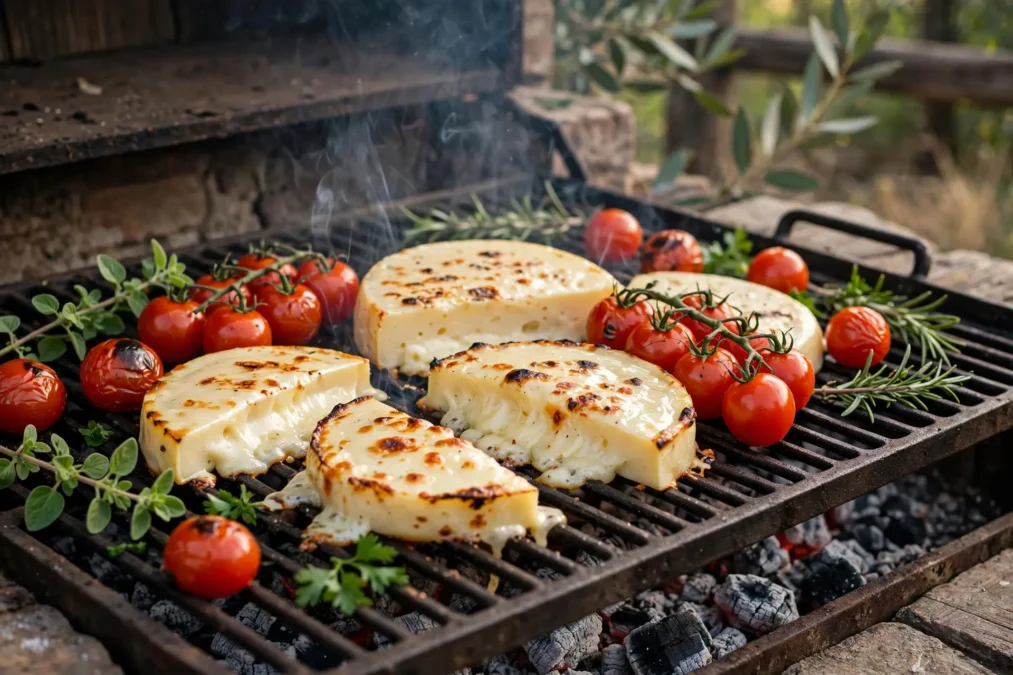
Provoleta is cooked on the grill, which is the key to its texture and flavour. A thick slice of provolone, usually around two to three centimetres thick, is placed either directly on the grill or in a small cast-iron skillet known as a provoletera. The heat crisps the outside of the cheese while the inside melts, and the cook watches it carefully because the line between perfectly melted and overcooked is a short one. Once the cheese is golden and bubbling, it is seasoned with oregano and served immediately, often still sizzling in its skillet.
The cast-iron skillet matters more than it might seem. It holds the heat, keeps the cheese warm at the table, and gives the dish its familiar presentation. Some restaurants cook the cheese directly on the grill bars, which adds extra smokiness but requires a firmer cheese and a confident hand. Either way, the timing is everything: provoleta must be eaten hot, because as it cools the cheese firms up and loses the soft, stretchy quality that makes it special. That is why it is always served as soon as it leaves the grill.
What Should You Order With Provoleta?
Provoleta is a starter, so the natural thing to order with it is whatever comes next in an Argentine meal, and that usually means grilled meat. A classic asado follows the provoleta with cuts such as bife de chorizo, a thick sirloin steak, or vacío, a flavourful flank cut, along with chorizo sausages and morcilla, the Argentine blood sausage. The cheese is meant to whet the appetite rather than fill you up, so it works best as the opening act of a longer, shared meal rather than as a dish on its own.
If you are not ordering a full asado, provoleta also works well with simpler companions. A green salad, grilled vegetables or a portion of chips will balance the richness of the cheese, and a glass of Malbec, Argentina’s signature red wine, is the traditional pairing. Bread is essential, since it is the tool you use to scoop up the melted cheese, and most restaurants will bring plenty of it. Whatever you choose, the idea is the same: provoleta is a dish for sharing, so order it for the table and let everyone dig in.
How Much Does Provoleta Cost?
The price of provoleta varies considerably depending on where you are and what kind of restaurant you visit, so it is worth checking the menu before you order. In most Argentine restaurants it is listed as a starter, and its price usually sits in the same range as other appetisers on the menu, often somewhere between the cheapest and the most expensive starters. In a casual neighbourhood restaurant it will generally cost less than in a high-end steakhouse in a city centre, where the same dish can cost noticeably more.
What you are paying for is partly the cheese and partly the theatre of the dish, since provoleta is cooked to order and served sizzling at the table. A portion is usually generous enough for two or three people to share, which makes it reasonable value as a starter for the table. Prices also vary by country and city, so a provoleta in London or New York will usually cost more than the same dish in Buenos Aires. The best approach is to look at the menu online in advance, so you know what to expect and can compare it with the other starters on offer.
What to Look for in a Good Provoleta
A good provoleta has a golden, lightly crisped top and a centre that is fully melted and stretchy when you cut into it. The cheese should be served hot, ideally still bubbling in its skillet, and it should smell faintly smoky from the grill. If the cheese arrives lukewarm, or if it has already started to firm up and turn rubbery, it has been sitting too long, and the restaurant has missed the moment. The oregano should be visible on top, and the seasoning should be balanced rather than overwhelming.
The setting matters too. A restaurant that takes its asado seriously will usually get provoleta right, because the dish is part of a wider grilling tradition rather than an afterthought. If you are trying to judge the best provoleta near me from reviews alone, look for mentions of the cheese arriving hot and bubbling in its skillet, since that is the clearest sign that the kitchen understands the dish. Look for places where the grill is the centrepiece of the kitchen, where the menu is built around Argentine cuts of meat, and where provoleta is listed as a regular starter rather than a seasonal special. Reviews that mention the provoleta specifically are a useful guide, since a restaurant that is proud of its grilled cheese will usually be mentioned for it by name.
How to Make Provoleta at Home
Making provoleta at home is surprisingly straightforward, and it is a good option if there is no Argentine restaurant nearby. You will need a thick slice of provolone, ideally around two to three centimetres thick, and a small cast-iron skillet or an ovenproof dish. Place the cheese in the skillet, put it under a hot grill or in a very hot oven, and cook it until the top is golden and the centre is soft and bubbling, which usually takes only a few minutes. Season it with dried oregano as soon as it comes out, and serve it immediately with bread.
The most common mistake is to overcook the cheese, which makes it tough and oily rather than soft and stretchy, so it is better to check it early and take it out as soon as it bubbles. A barbecue works well too, if you have one, since the smoke adds the flavour that a kitchen grill cannot quite match. Homemade provoleta will not be identical to a restaurant version, but it is close enough to be satisfying, and it is a good way to enjoy the dish while you look for the best provoleta near you.
Conclusion
Provoleta is a simple dish, but it captures something essential about Argentine food: good ingredients, fire, and the pleasure of eating together. A thick slice of provolone, grilled until golden and molten, seasoned with oregano and served bubbling in its skillet, is the ideal start to an asado, and it has earned its place on menus far beyond Argentina. Whether you find it at a dedicated Argentine steakhouse or a Latin American restaurant closer to home, it is worth seeking out.
The best provoleta near you is most likely at an Argentine restaurant, where it will be served as a starter for the table alongside grilled meats and a glass of Malbec. Look for a place that takes its grill seriously, check the menu in advance, and order it to share. And if there is nothing nearby, a cast-iron skillet and a thick slice of provolone will get you surprisingly close at home. Either way, provoleta is a dish that rewards a little effort, and once you have tried it properly grilled, it is easy to see why so many people go looking for it.
Where can I find the best provoleta near me?
The best place to find provoleta near you is an Argentine restaurant or steakhouse, where it is usually listed among the starters. You may also find it at Latin American restaurants and at steakhouses with a South American grill menu. Checking the restaurant’s menu online before you visit is the easiest way to confirm that provoleta is served.
What is provoleta made of?
Provoleta is made from provolone cheese, a semi-hard Italian cheese that was brought to Argentina by Italian immigrants. A thick slice of provolone is grilled until the outside is golden and crisp and the inside is soft and melted, then seasoned with dried oregano and sometimes chilli flakes or olive oil.
Is provoleta the same as provolone?
Provoleta is made from provolone, but the two are not quite the same thing. Provolone is the cheese itself, which can be eaten cold or cooked in many ways. Provoleta is the specific Argentine dish of a thick slice of provolone grilled until melted, served hot in a skillet as a starter for an asado.
How much does provoleta cost?
The price of provoleta varies by restaurant and location, and it is usually priced in line with other starters on the menu. A portion is generally large enough for two or three people to share. It is best to check the menu online in advance, since prices differ between casual restaurants and high-end steakhouses.