
Best Pabellon Criollo Near Me: Where to Find Venezuela’s National Dish
If you are searching for the best pabellon criollo near me, the short answer is to look for a Venezuelan or Latin American restaurant that cooks its shredded beef low and slow, serves black beans that are creamy rather than watery, and fries its plantains fresh to order. Pabellon criollo is Venezuela’s national dish, a generous plate of shredded beef, black beans, white rice and fried sweet plantains, and the difference between a good version and a great one comes down to time, technique and fresh ingredients. This guide explains what the dish should look like, where to find it, what it should cost, and how to tell an authentic plate from a rushed imitation.
What Is Pabellon Criollo and Why Is It Venezuela’s National Dish?
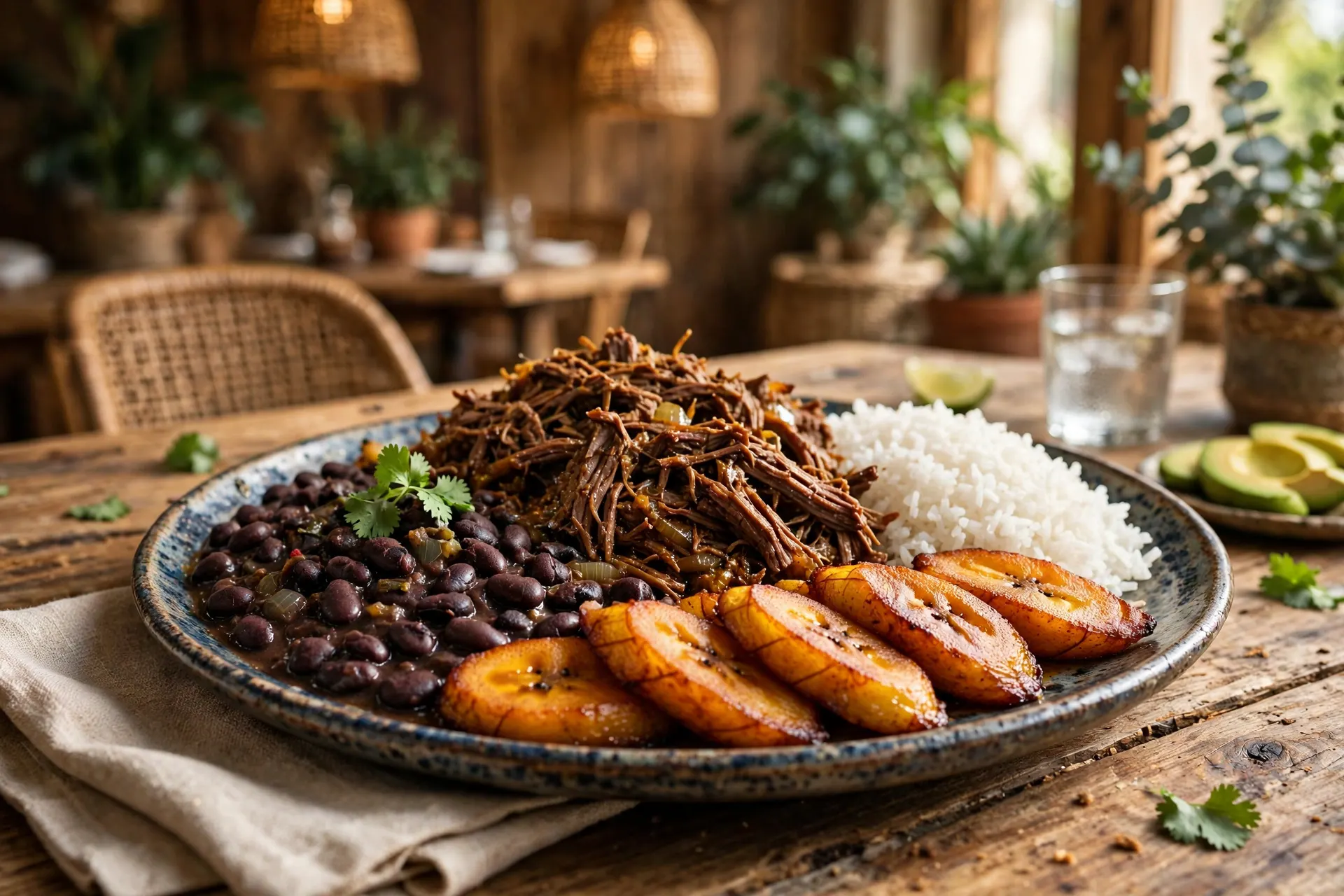
Pabellon criollo is the national dish of Venezuela, and its name tells you something about how Venezuelans see it. The word pabellon means flag, and the plate is often described as a flag on a plate because its four parts sit side by side in distinct colours: the dark shredded beef, the black beans, the white rice and the golden fried plantains. It is a dish that brings together the influences that shaped Venezuelan cooking, including Indigenous, Spanish and African traditions, and it appears on family tables, in small neighbourhood restaurants and at celebrations across the country. When Venezuelans living abroad miss home, this is very often the dish they ask for first.
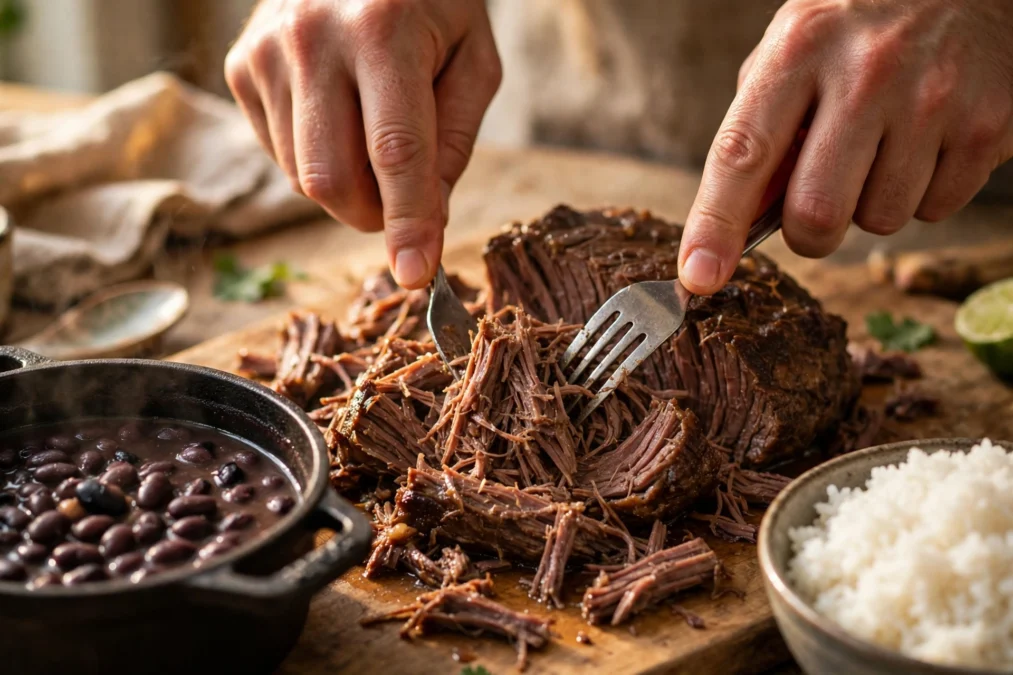
The dish is built around carne mechada, beef that is simmered until it is tender enough to pull apart into fine shreds, then cooked again with onion, sweet pepper, garlic and tomato until it is richly flavoured. The black beans, known as caraotas negras, are cooked until soft and creamy, often with a little sugar and cumin to balance their earthiness. White rice provides a neutral base that soaks up the juices, and tajadas, slices of ripe plantain fried until caramelised at the edges, add sweetness that ties the whole plate together. Some versions add a fried egg or a slice of white cheese, but the classic four-part plate is the standard against which every restaurant is judged.
What Does a Proper Pabellon Criollo Plate Look Like?
A proper pabellon criollo arrives as a full, generous plate with each part clearly visible rather than mixed into a single pile. The shredded beef should be dark and glossy from its tomato and pepper base, with strands that are fine and tender rather than thick chunks of dry meat. The black beans should be soft and almost creamy, holding together in a dark, savoury pool beside the rice, and the rice itself should be fluffy and white, cooked so that the grains stay separate. The fried plantains should be golden brown with crisp caramelised edges and a soft, sweet centre, and they should be hot from the pan rather than limp and cold.
Portion size matters too, because pabellon criollo is a hearty meal rather than a light lunch. A restaurant portion should leave you satisfied without feeling heavy, and the balance between the four parts should feel deliberate. If the plate is mostly rice with a small spoonful of beef and beans, the restaurant is cutting corners. The best places serve the beef and beans in generous amounts, because those are the parts that take the most time and skill to prepare. A fried egg on top, sometimes called pabellon a caballo, is a popular variation that adds richness, and a slice of salty white cheese is another common addition worth trying.
Where Can I Find the Best Pabellon Criollo Near Me?
The best pabellon criollo near me is usually found in a Venezuelan restaurant run by Venezuelans, and the most reliable way to find one is to search maps and review sites for Venezuelan restaurants in your area and then read the reviews that mention pabellon criollo by name. Look for places where reviewers describe the beef as tender, the beans as creamy and the plantains as fresh, and pay attention to photos of the actual plate rather than stock images. A restaurant that is proud of its pabellon will usually feature it prominently on the menu, often as a house speciality or a lunchtime favourite, and it will be available most days rather than only on weekends.
Latin American restaurants that are not specifically Venezuelan can also serve a good pabellon, but you should check that the dish is made the Venezuelan way, with shredded beef and black beans rather than a generic rice-and-beans combination. Colombian and Cuban restaurants sometimes offer similar plates, and while those can be delicious, they are not the same dish. Food markets, Latin grocery stores with a hot food counter, and Venezuelan food trucks are also worth checking, because some of the most authentic pabellon is cooked in small kitchens that do not look fancy from the outside. Community groups and local Venezuelan associations often know the best spots, and a quick search of local food forums can turn up places that do not advertise widely.
How Do You Spot an Authentic Pabellon Criollo Restaurant?
An authentic pabellon criollo restaurant gives itself away in several small ways before the food even arrives. The menu should list the dish by its proper name, pabellon criollo, and it should describe the four parts of the plate rather than offering a vague beef-and-rice special. The restaurant should also serve other Venezuelan dishes such as arepas, empanadas and tequenos, because a kitchen that cooks the full range of Venezuelan food is far more likely to get the pabellon right. If the menu is mostly generic Latin food with one token Venezuelan dish, the pabellon may be an afterthought rather than a speciality.
Watch how the kitchen treats the details once your plate arrives, because those details reveal whether the dish is made with care. The beef should be shredded finely and cooked in a proper sofrito of onion, pepper, garlic and tomato, not simply boiled and seasoned at the end. The beans should taste of cumin and a little sweetness, not of the tin, and the plantains should be ripe enough to caramelise rather than pale and starchy. A good sign is a restaurant that asks whether you want a fried egg or cheese on top, because that shows the kitchen knows the variations. Another good sign is a dining room where Venezuelan families are eating, because regulars are the toughest critics a restaurant can have.
How Much Does Pabellon Criollo Cost Near Me?
The price of pabellon criollo depends on where you live and whether you are eating in a restaurant or ordering takeaway, but as a guide, a restaurant plate in the UK typically costs somewhere in the range of a standard main course at a casual Latin restaurant. Prices are higher in London and other large cities, where rents and wages push menu prices up, and lower in smaller towns where a family-run restaurant can keep costs down. Takeaway portions are often a little cheaper than eating in, although delivery apps add their own fees on top of the menu price, so the total can end up similar.
What matters more than the exact price is whether the portion justifies it, and the best way to judge value is to look at the amount and quality of the beef and beans rather than the size of the rice pile. A plate that costs a little more but uses properly slow-cooked beef and fresh plantains is better value than a cheaper plate that cuts corners on the ingredients that matter most. Some restaurants offer a lunchtime deal or a smaller portion at a lower price, which is a good way to try the dish for the first time without committing to a full plate. If you are feeding a family, ask whether the restaurant sells the components separately or offers a family-sized portion, because that can work out cheaper than ordering individual plates.
Can I Get Pabellon Criollo as Takeaway or Delivery?
Yes, pabellon criollo travels well as takeaway, and many Venezuelan restaurants offer it for collection or through delivery apps. The dish holds up better than most plated meals because the beef and beans are already saucy and the rice absorbs the juices without going soggy, although the fried plantains are best eaten soon after cooking because they lose their crispness as they cool. If you are ordering for delivery, choose a restaurant that is close enough for the food to arrive hot, and check the reviews for comments about packaging, because a good container keeps the parts separate so nothing gets mixed into a single mass on the journey.
Collection is often the better option if you live near the restaurant, because you can pick the food up at its best and eat it while the plantains are still warm. Some restaurants pack the components in separate containers on request, which is worth asking for if you are ordering for later in the day. Delivery apps usually show the dish with a photo and a description, so look for a listing that names all four parts of the plate and shows a real photograph of the food. If the listing is vague or uses a stock photo, the restaurant may not take the dish seriously, and you may be better off ordering from somewhere that presents it properly.
What Should I Order With Pabellon Criollo?
Pabellon criollo is a complete meal on its own, but a drink and a small extra can make it even better. A cold papelon con limon, a traditional Venezuelan drink made from unrefined cane sugar and lime, is the classic pairing because its sweetness and acidity cut through the richness of the beef and beans. Fresh fruit juices such as passion fruit or mango are also popular, and many Venezuelan restaurants make them fresh to order. If you prefer something simpler, a cold lager or a sparkling water with lime works well, and a coffee at the end of the meal is a common way to finish.
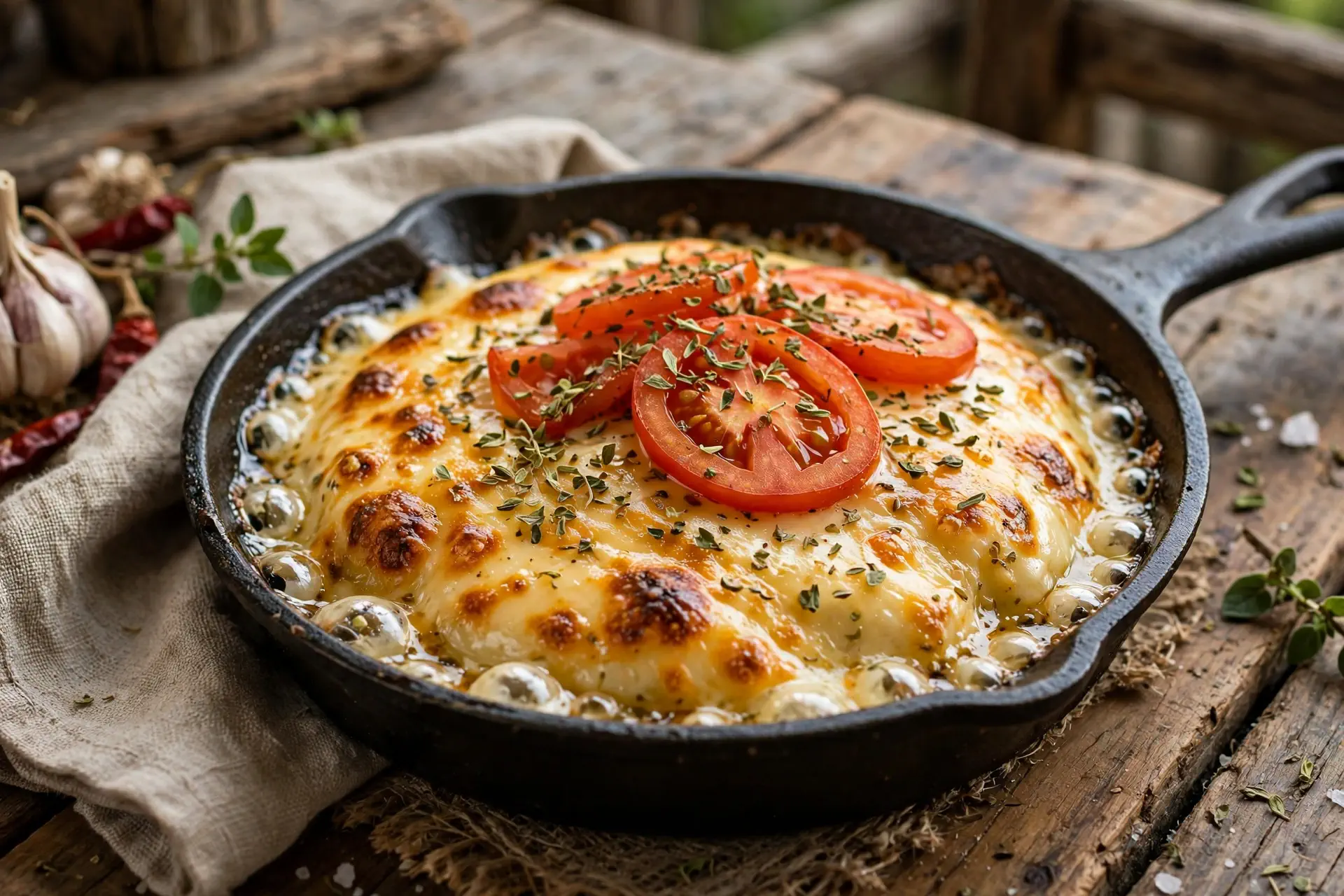
For food, a small arepa on the side is a good way to try another Venezuelan classic without ordering a second full meal, and tequenos, fried cheese sticks, make an excellent starter if you are sharing. If you are still hungry after the main plate, ask about desserts such as quesillo, a Venezuelan caramel flan, or a slice of tres leches cake. If you enjoy other Latin dishes, you may also like grilled provoleta, and our guide to the Best Provoleta Near Me explains where to find that dish and what to look for in a good version.
How Is Pabellon Criollo Different From Other Latin Rice-and-Beans Dishes?
Pabellon criollo is often confused with other Latin American rice-and-beans dishes, but it has its own identity that sets it apart. The most important difference is the shredded beef, which is cooked in a sofrito of onion, sweet pepper, garlic and tomato until it is dark, tender and richly flavoured. Many similar dishes use grilled or stewed meat in chunks, but pabellon depends on the fine shredding and the slow cooking of the beef, which gives it a texture and flavour that no shortcut can reproduce. The black beans are also distinctive, because they are seasoned with cumin and a touch of sugar, giving them a sweet and savoury balance that is different from the plain boiled beans served with many other Latin meals.
The fried sweet plantains are another defining feature, because they are not a garnish but a full part of the plate, and their caramelised sweetness is essential to the balance of the dish. Cuban ropa vieja shares the shredded beef idea but is served differently and without the same combination of beans, rice and plantains, while a Colombian bandeja paisa is a much larger platter with different components altogether. Pabellon criollo is also different from a simple rice and beans side dish, because it is a complete national dish with a specific composition that Venezuelans recognise instantly. When you understand those differences, you can spot a real pabellon at a glance and appreciate why it matters so much to the people who grew up eating it.
Conclusion
Finding the best pabellon criollo near me comes down to looking for a Venezuelan kitchen that treats the dish with the respect it deserves, cooking the beef slowly, seasoning the beans properly and frying the plantains fresh. The best plates are generous, balanced and full of flavour, with each of the four parts doing its own job on the plate. Whether you eat in a restaurant, order takeaway or cook it yourself, the dish rewards attention to detail, and once you have tasted a properly made pabellon, you will understand why Venezuelans call it their flag on a plate. Try a well-reviewed Venezuelan restaurant near you, order the pabellon with a cold papelon con limon, and judge it by the tenderness of the beef, the creaminess of the beans and the sweetness of the plantains.
What Is Pabellon Criollo Made Of?
Pabellon criollo is made of four main parts: shredded beef cooked with onion, sweet pepper, garlic and tomato, black beans seasoned with cumin and a little sugar, white rice, and slices of ripe plantain fried until golden and caramelised. Some versions add a fried egg, which is called pabellon a caballo, or a slice of salty white cheese. The dish is Venezuela’s national dish, and its name comes from the word pabellon, meaning flag, because the four parts sit side by side on the plate like the colours of a flag.
Is Pabellon Criollo Gluten-Free?
Pabellon criollo is naturally gluten-free in its classic form, because none of its four main parts contains wheat. The shredded beef, black beans, rice and fried plantains are all gluten-free ingredients, and the dish is usually cooked without flour or bread. However, you should always ask the restaurant about their cooking methods, because some kitchens may use soy sauce or stock cubes that contain gluten, and cross-contamination can happen in a busy kitchen. If you have coeliac disease or a serious gluten sensitivity, tell the restaurant when you order so they can take extra care.
What Is the Difference Between Pabellon Criollo and Pabellon Con Baranda?
Pabellon con baranda is a variation of pabellon criollo that adds extra elements around the plate, like a railing or fence, which is what baranda means in Spanish. The additions usually include slices of avocado, a fried egg and a piece of white cheese arranged around the edge of the plate, making it a larger and richer meal. The classic pabellon criollo has just the four main parts, while pabellon con baranda is the more generous version served when you want something extra. Both are authentic Venezuelan dishes, and the choice between them comes down to how hungry you are.
Can I Make Pabellon Criollo at Home?
Yes, you can make pabellon criollo at home, and it is a rewarding dish to cook because the techniques are simple even though the cooking takes time. The key step is to simmer the beef for two to three hours until it is tender enough to shred easily, then cook the shredded meat with onion, sweet pepper, garlic and tomato until it is rich and dark. The black beans need to be soaked and cooked until soft, then seasoned with cumin and a little sugar, and the plantains must be ripe, with black spots on the skin, so they caramelise properly when fried. Cook the rice separately so it stays fluffy, and serve everything side by side on the plate.
Is Pabellon Criollo Spicy?
Pabellon criollo is not a spicy dish in the way that a chilli-hot curry is spicy, because it does not rely on hot peppers for its flavour. The heat in the dish comes from black pepper and the warmth of cumin and garlic, while the sweet peppers used in the sofrito are mild and add sweetness rather than heat. The fried plantains add further sweetness, which balances the savoury beef and beans. If you like heat, you can ask for a hot sauce on the side, and many Venezuelan restaurants keep one on the table, but the dish itself is flavourful rather than fiery.