
Key Takeaways
- Prioritize safety and seek appropriate medical care after a New Jersey injury.
- Record important details, witness information, photos, reports, and other evidence as soon as safely possible.
- Keep medical records, bills, insurance communications, receipts, and wage documentation organized.
- Track symptoms, appointments, daily limitations, and injury-related expenses.
- Communicate with insurers carefully and avoid guessing about fault, diagnosis, or future costs.
- Check applicable reporting and legal deadlines early, as rules can vary by claim type.
- Avoid posting detailed information about the incident on social media.
- Consider professional guidance when injuries are serious, responsibility is disputed, or settlement issues are complicated.
An injury can turn an ordinary New Jersey commute, shore visit, work shift, or neighborhood errand into a stressful series of decisions. Whether the incident happened on a busy North Jersey roadway, a Jersey Shore boardwalk, or a local business property, the early steps can affect health, records, and insurance communications. Speaking with a personal injury lawyer NJ may be useful when injuries are serious, responsibility is disputed, or deadlines are unclear. This checklist is designed to help New Jersey residents stay organized after an accident or injury. It is not medical or legal advice, and it cannot replace care from a qualified medical professional or guidance tailored to the facts of an individual situation.
The First Hours After an Injury in New Jersey
Safety comes first. Move away from traffic, unsafe equipment, water, fire, or other hazards only if doing so can be done safely. Call 911 when emergency help is needed, and report the event to the appropriate party, such as police, a property manager, or an employer. New Jersey weather can also change scene conditions quickly, so note rain, snow, ice, lightning, and visibility while those details are fresh.
- Check for immediate danger and request medical help when appropriate.
- Record the date, time, exact location, and names of people involved.
- Ask witnesses for contact information without directing what they should say.
- Write a brief factual account before memory fades.
Getting the Right Medical Care After a New Jersey Injury
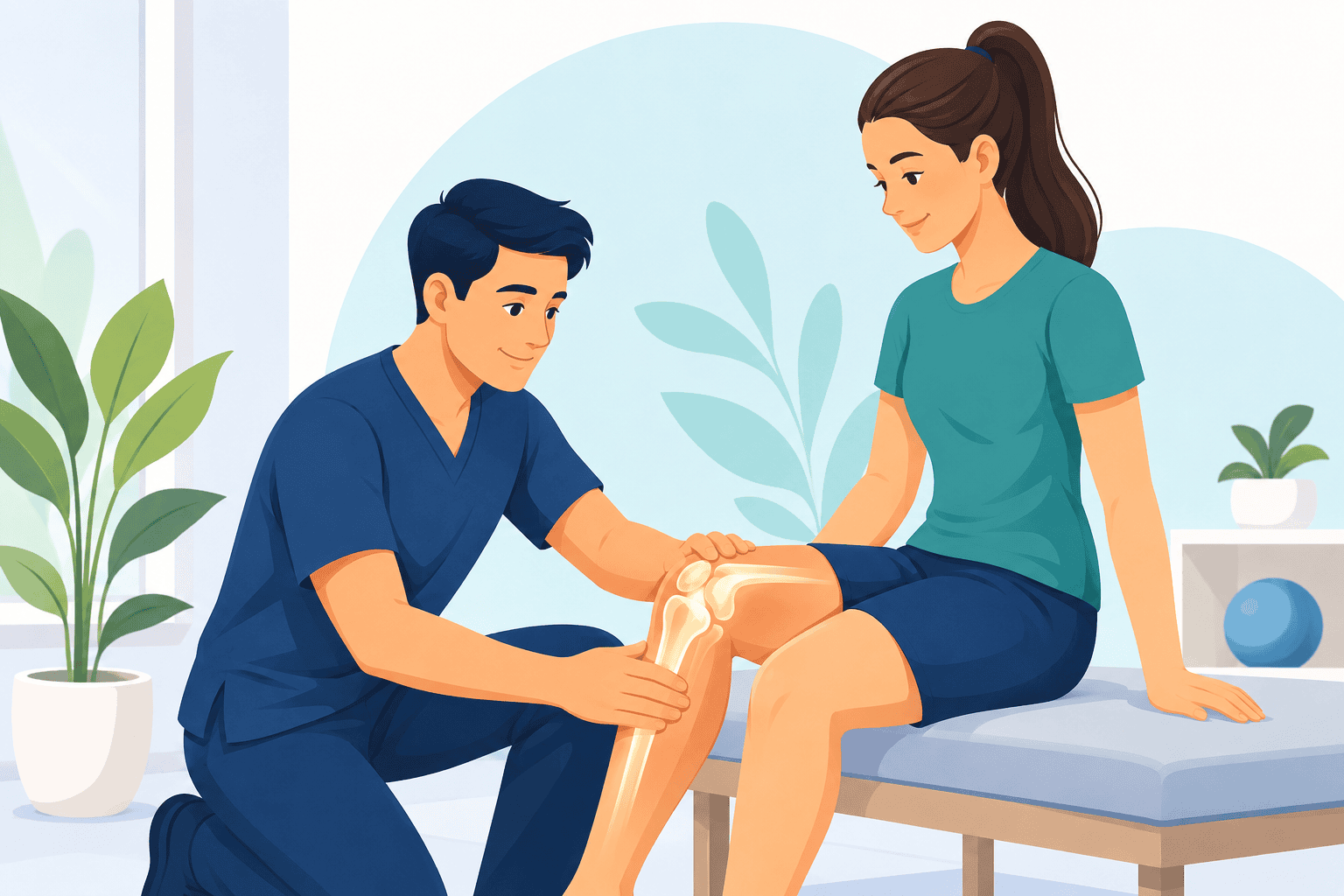
Prompt evaluation may be important even when discomfort initially seems manageable. Symptoms involving the head, neck, back, or soft tissue can change over time. The CDC concussion guidance includes information on mild traumatic brain injury management, recovery instructions, and returning to work. Follow the recommendations of your own care team, attend follow-up appointments, and explain when symptoms began or changed.
Preserving Useful Evidence from Your New Jersey Accident
Photographs, video, reports, and witness information can help preserve a reliable timeline. If it is safe, photograph the location, visible injuries, damaged vehicles or property, warning signs, lighting, and surrounding conditions. Save original files rather than editing them, and avoid trespassing or putting yourself back in danger to get a picture. If a business may have surveillance footage, make a prompt written request to preserve relevant recordings.
Building a Clear Records Folder for Your New Jersey Claim
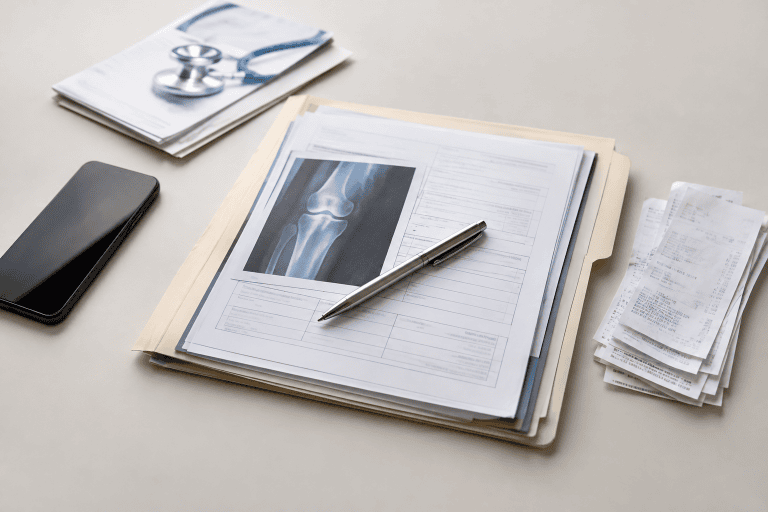
Create one paper folder, digital folder, or secure cloud location for documents. Keep medical visit summaries, prescriptions, bills, insurance statements, incident reports, employment records, and claim correspondence together. A practical medical-legal records checklist can include treatment records, wage documentation, photographs, and a symptom diary. Use consistent file names, such as “2026-10-07 urgent care summary,” to make missing dates easier to spot.
Handling Insurance Communications in New Jersey
Reporting an incident is not the same as accepting a settlement or signing a release. Keep notes from every insurer call, including the adjuster’s name, date, time, requested documents, and stated deadlines. Answer truthfully, but do not guess about fault, diagnosis, future recovery, or costs that are still unknown. Review any release or settlement document carefully before signing, since insurance requirements and policy terms can differ.
Tracking Daily Effects and Financial Losses After a New Jersey Injury
A short, factual daily log can show how the injury affects sleep, mobility, work, household tasks, and normal activities. Save receipts for prescriptions, appointment travel, parking, medical equipment, household help, and property replacement. Small costs can become meaningful during a lengthy recovery. For example, parking fees and tolls from repeated trips to appointments across New Jersey can add up alongside unpaid time away from work.
Watching Deadlines and Notice Rules in New Jersey
Deadlines may depend on the type of claim, the responsible party, and the facts of the event. A deadline for reporting a claim to an insurer can differ from a deadline for filing a lawsuit. Matters involving a public entity, an employer, a minor, or the delayed discovery of an injury may be subject to additional rules. Confirm applicable deadlines early, because collecting evidence does not extend them.
When Professional Guidance May Help After a New Jersey Injury
Individual guidance may be especially valuable after serious or lasting injuries, disputed responsibility, a crash involving multiple policies or a commercial vehicle, or a quick settlement offer. Bring reports, photographs, medical bills, wage records, insurance letters, and a timeline to an initial consultation. Choose help based on the facts and the professional’s qualifications, not on promises about a particular outcome.
Common Mistakes to Avoid After a New Jersey Injury
- Waiting too long to seek medical attention after concerning symptoms.
- Discarding damaged clothing, equipment, or other physical evidence.
- Posting detailed descriptions, photos, or arguments about the event online.
- Guessing when answering an insurer’s questions.
- Missing appointments without providing an explanation or record.
- Failing to save receipts, bills, and missed-work documentation.
- Accepting a settlement before the medical picture is clearer.
- Assuming one general deadline applies to every New Jersey claim.
Common Questions About New Jersey Injury Claims
Should every injury be reported?
Reporting can create a dated record, but the correct process depends on where and how the injury occurred. A motor vehicle collision, workplace incident, and property injury may each require different reports.
What if symptoms appear days later?
Seek medical care and explain when the symptoms began, how they changed, and whether they affect daily activities. Medical documentation is more useful when it is accurate and timely.
Can photos replace medical records?
No. Photos may document visible conditions, but they do not replace professional evaluations, treatment notes, diagnostic testing, or medical opinions.
What if there were no witnesses?
A claim may still involve photographs, physical evidence, reports, medical records, digital information, and a consistent factual account of what happened.
Should a settlement offer be accepted quickly?
Consider unpaid bills, future treatment needs, wage losses, and the language of any release before deciding. Once signed, a release may affect the ability to pursue additional payment related to the same event.
Conclusion
After an injury in New Jersey, early medical care, orderly records, and calm communication can make a difficult process more manageable. It can help to keep copies of medical records, bills, insurance correspondence, photographs, and other documents related to the incident in one organized place. Writing down important dates, symptoms, appointments, and changes in your condition can also make it easier to remember details later. Avoid making assumptions about the legal or insurance process, especially when circumstances are complicated or multiple parties are involved. A careful checklist cannot answer every medical or legal question, but it can help protect important details. At the same time, you focus on recovery and determine when professional guidance may be appropriate.