
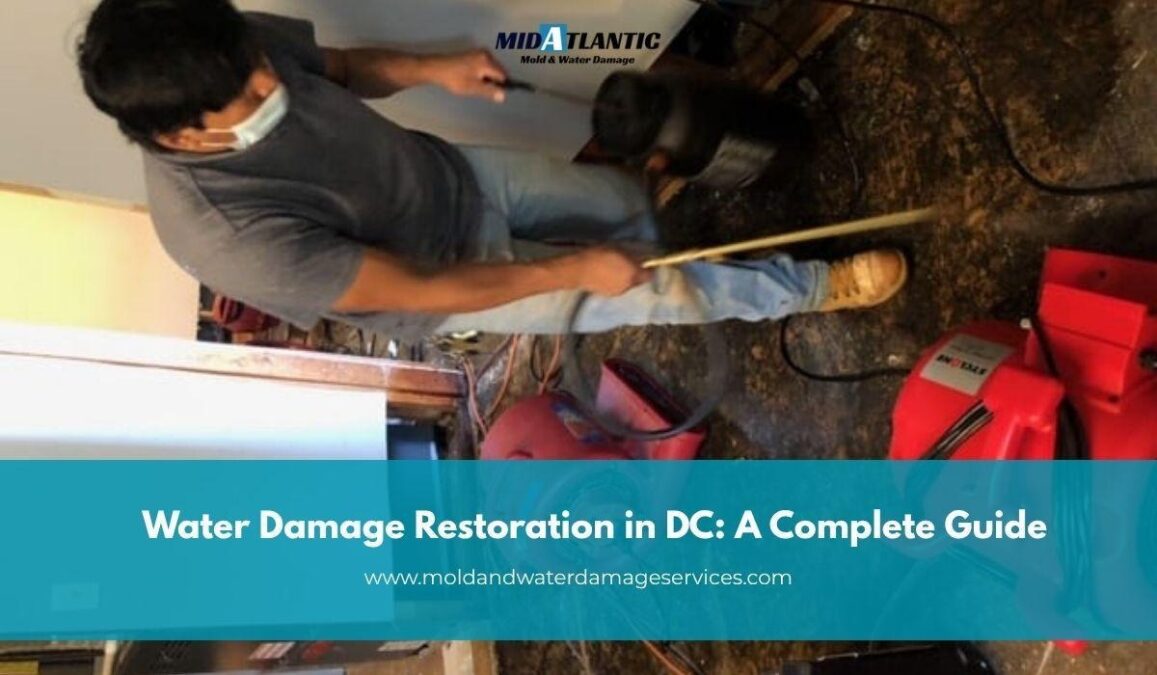

Water damage can happen suddenly because of burst pipes, plumbing leaks, overflowing appliances, roof leaks, storms, or flooding. When water enters a home or commercial property, quick action is important to reduce damage to floors, walls, ceilings, furniture, and personal belongings.
Professional water damage restoration Washington DC services follow a structured process to remove water, dry affected areas, identify hidden moisture, and help prevent secondary problems such as mold growth.
For property owners, understanding the restoration process can make it easier to know what to expect when calling a water damage restoration company.
1. Emergency Inspection and Damage Assessment
The restoration process usually begins with a detailed inspection of the property.
- A professional technician identifies the source of the water intrusion.
- The affected rooms, walls, ceilings, flooring, and contents are inspected.
- Moisture detection equipment may be used to locate water behind walls or underneath flooring.
- Technicians determine the extent of visible and hidden water damage.
- The water source should be stopped or controlled before restoration work continues.
- The affected materials are evaluated to determine what can be dried, cleaned, or may need removal.
A prompt assessment helps create an appropriate restoration plan and can reduce the possibility of additional structural damage.
2. Water Removal and Extraction
Standing water should be removed as quickly as possible.
A professional water damage restoration service Washington DC may use commercial-grade extraction equipment to remove water from affected areas.
- Portable or truck-mounted extraction equipment can remove standing water.
- Wet vacuums may be used in smaller affected areas.
- Water extraction can help reduce moisture absorption into flooring and building materials.
- Furniture and other belongings may be moved to dry areas when appropriate.
- Damaged materials that cannot be salvaged may be removed safely.
Fast extraction is particularly important when water has affected carpeting, hardwood flooring, drywall, insulation, or other porous materials.
3. Drying and Dehumidification
Removing visible water does not mean the property is completely dry. Moisture can remain inside walls, floors, cabinets, and other materials.
The drying stage may include:
- Commercial air movers to increase air circulation.
- Dehumidifiers to remove moisture from indoor air.
- Moisture meters to monitor affected materials.
- Airflow adjustments to improve drying efficiency.
- Repeated moisture measurements to determine when materials have reached appropriate dryness levels.
This step is essential because lingering moisture can contribute to odors, material deterioration, and microbial growth.
4. Cleaning and Sanitizing
Water damage can leave behind dirt, debris, contaminants, and unpleasant odors.
Depending on the type and extent of damage, restoration professionals may:
- Clean affected floors and surfaces.
- Remove dirt and debris.
- Clean salvageable furniture and personal belongings.
- Sanitize appropriate surfaces.
- Address moisture-related odors.
- Use professional cleaning methods suitable for the affected materials.
The appropriate cleaning approach depends on the water source and the materials involved.
5. Checking for Hidden Moisture
One of the most important parts of restoration is identifying moisture that cannot be seen.
- Moisture may remain behind drywall.
- Water can collect underneath flooring.
- Cabinets and wall cavities may retain moisture.
- Insulation can absorb water and take longer to dry.
- Hidden moisture can increase the risk of future problems.
A water damage restoration contractor may use moisture meters and other inspection tools to determine whether affected areas require additional drying.
6. Mold Inspection and Testing When Needed
Water damage and excess humidity can create conditions that support mold growth. If moisture has remained for an extended period or there are visible signs of mold, additional evaluation may be appropriate.
Property owners may consider mold inspection Washington DC services when:
- There is a musty odor after water damage.
- Visible mold is discovered.
- Water remained inside the property for an extended period.
- Previous moisture problems have occurred.
- Mold is suspected behind walls or other concealed areas.
Professional Washington DC mold inspection can help identify areas that may require further evaluation. Washington DC mold testing may also be considered when testing is appropriate for the property’s circumstances.
Testing should be interpreted alongside the inspection findings rather than treated as a replacement for investigating moisture sources.
7. Damaged Material Removal and Repairs
Some materials may not be suitable for restoration after significant water exposure.
Depending on the circumstances, professionals may recommend:
- Removing severely damaged drywall.
- Replacing damaged insulation.
- Removing unsalvageable flooring.
- Repairing affected building components.
- Addressing plumbing or roofing problems responsible for the water intrusion.
- Replacing damaged materials after the structure has been properly dried.
A qualified water damage restoration company can help coordinate the restoration process from emergency water removal through repairs.
8. Final Moisture Check
Before restoration is considered complete, affected areas should be checked again.
The final inspection may include:
- Checking previously affected walls and flooring.
- Measuring moisture levels.
- Confirming that drying goals have been reached.
- Inspecting areas that previously showed elevated moisture.
- Identifying any remaining restoration or repair needs.
This final step helps ensure that the property is not simply dry on the surface while hidden moisture remains underneath.
Why Choose Professional Water Damage Restoration?
Water damage can involve more than standing water. Without proper drying and inspection, moisture can remain in building materials and potentially cause additional damage.
A professional restoration team can provide:
- Emergency water extraction.
- Structural drying.
- Moisture detection.
- Dehumidification.
- Cleaning and sanitizing.
- Mold-related inspection and testing when appropriate.
- Damage assessment.
- Restoration and repair coordination.
- Assistance documenting damage for insurance claims.
For homeowners and businesses looking for a water damage restoration service Washington DC, choosing an experienced restoration provider can help simplify the recovery process.
Restore Your Washington DC Property After Water Damage
Water damage should be addressed quickly and systematically. From emergency inspection and water extraction to structural drying, cleaning, moisture monitoring, and final inspection, every stage plays an important role in restoring the property.
MidAtlantic Mold And Water Damage provides water damage restoration solutions for residential and commercial properties in Washington DC. The company can assist with water removal, drying, moisture assessment, mold-related concerns, and restoration needs.
If your property has experienced a plumbing leak, burst pipe, flooding, appliance leak, or another water emergency, professional assistance can help you take the next steps toward a safer, properly dried property.