
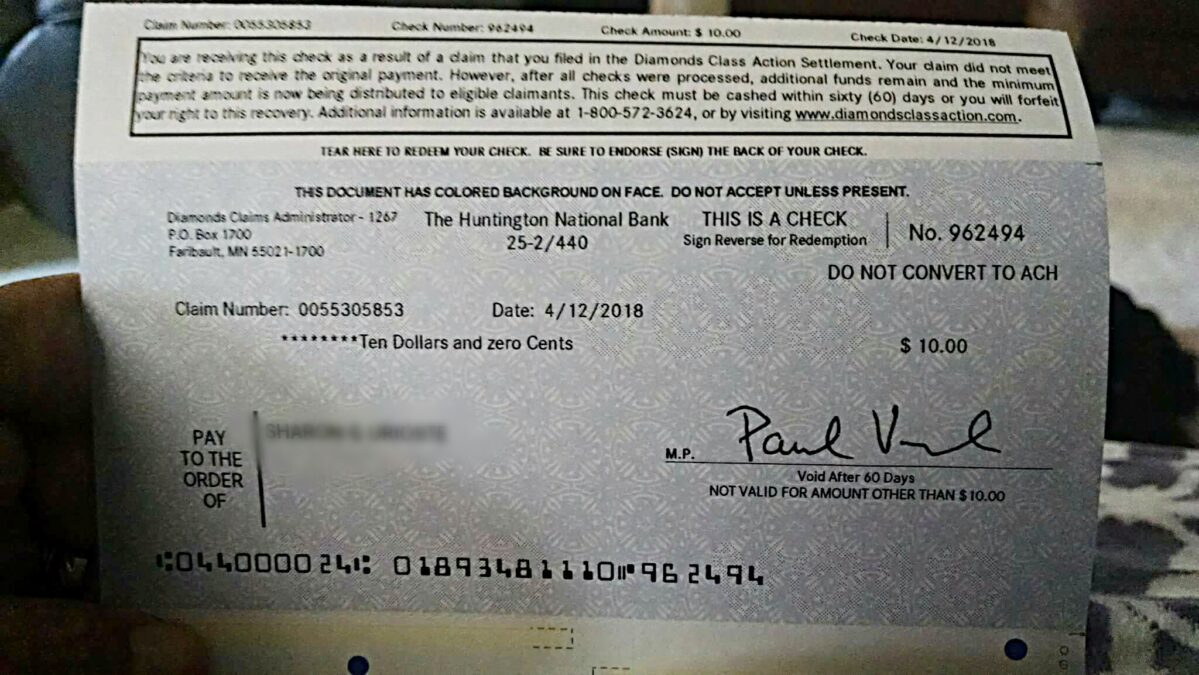

Receiving an unexpected envelope that prominently displays PO Box 55520 Portland Oregon Pay to the Order Of can be an incredibly unsettling experience for any recipient, often triggering immediate concerns regarding financial security and potential identity theft. In an era where digital and physical scams are becoming increasingly sophisticated, it is only natural to feel a sense of alarm when you are presented with a document that appears to be a formal financial instrument, yet arrives completely out of the blue. Many individuals who encounter this specific address find themselves questioning whether they have inadvertently missed a payment, or perhaps worse, whether they have become the target of a calculated fraudulent operation designed to harvest their hard-earned money or sensitive personal information.
The primary objective of this comprehensive guide is to demystify the origins of this particular address and provide you with a clear, actionable roadmap to determine whether the letter you received is a legitimate business communication, a routine marketing solicitation, or a genuine security threat that requires immediate intervention. By understanding the common tactics used by both legitimate businesses and predatory scammers, you can move from a place of anxiety to a place of informed decision-making. We will delve into the nuances of what these documents actually represent, how to verify the legitimacy of any claims made against you, and the specific steps you must take to protect your assets and your peace of mind in this confusing situation.
The True Meaning of Pay to the Order Of
Within the professional world of banking and finance, the phrase “Pay to the Order of” is standard, legally recognized terminology that appears on virtually every legitimate check, draft, or promissory note issued by reputable financial institutions. This specific language acts as a formal instruction to the bank, identifying the precise individual or entity authorized to collect the funds associated with that document. However, the misuse of this authoritative language has become a favorite tactic among savvy marketers and debt collectors, who strategically place these words on their mailers to mimic the appearance of a real check. The intention is almost always psychological: to grab your attention, spark a sense of urgency, and compel you to open the envelope under the false assumption that it contains money or a critical financial notification.
It is critically important to distinguish between a genuine, negotiable financial instrument and a clever piece of junk mail. Scammers and aggressive marketers are adept at using high-quality graphics, professional-grade paper, and official-looking seals to trick the average person into believing they are holding a cashable payment or a mandatory invoice. When you are analyzing a document, always look for the fine print—often located on the back or at the bottom of the page—which frequently reveals that the document is merely a non-binding advertisement or a solicitation for services. By training yourself to look past the “Pay to the Order of” headline, you can save yourself the time, effort, and potential stress associated with interacting with deceptive or unwanted marketing materials.
Investigating the Address and Its Associations
Many concerned individuals who search for PO Box 55520 Portland Oregon Pay to the Order Of are searching for a definitive answer as to whether this is an “official” scammer address. It is vital to clarify that a Post Office Box, even one located in Portland, is not inherently malicious. PO Boxes are rented services utilized by thousands of legitimate organizations, including credit bureaus, law firms, insurance providers, and government agencies, to streamline their regional mail processing. Because these boxes act as centralized hubs for massive amounts of correspondence, it is statistically impossible to label the address itself as fraudulent. Instead, you must treat the address as a neutral location that simply happens to be used by the entity attempting to contact you, whether that sender is honest or deceptive.
When you attempt to identify the true nature of a sender associated with this box, you should not rely on the address as your primary indicator of legitimacy. Instead, focus your investigation on the specific business name or organization mentioned in the body of the letter. Because many different types of businesses, including collection agencies that purchase old debts, may use a single mail drop for regional efficiency, you cannot assume that every piece of mail originating from this box is part of the same campaign. Your priority should always be to cross-reference the name on the letter with independent, verified sources to determine if that specific company has a legitimate reason to be contacting you regarding your finances or personal accounts.
A Step by Step Guide to Verifying the Sender

To properly verify the legitimacy of mail mentioning PO Box 55520 Portland Oregon Pay to the Order Of, your first step must be a thorough review of your own internal financial records. Check your recent bank statements, credit card bills, and account history to see if you have any genuine pending obligations or business relationships with the company listed on the correspondence. If you cannot find any record of this company in your personal files, it is highly probable that the mail is either a misdirected solicitation, a marketing attempt, or a cold-call style demand for payment. Never assume you owe money simply because a letter arrived at your doorstep; legitimate businesses have established protocols for notifying customers of genuine debts, and those notices are usually preceded by multiple alerts.
Once you have verified that the request is unsolicited, use the official Oregon Secretary of State Business Registry, which is available to the public online. Searching for the company name within this database will reveal whether they are a registered, active business entity within the state. Furthermore, visit the company’s official website by conducting a direct search via a trusted search engine, rather than typing the URL provided on the letter. When you reach their official contact page, look for a verified customer support or billing department phone number. By initiating contact through these independently verified channels, you can speak to an actual representative and determine whether the correspondence you received was legitimate or merely a mistake or a scam.
Identifying the Red Flags of Financial Fraud
You must remain extremely vigilant against any document that utilizes aggressive, threatening, or overly urgent language to demand your immediate attention. Scammers are well-known for using fear-based tactics, often claiming that your credit score will be permanently damaged, your utility services will be disconnected, or legal action will be initiated if you fail to remit payment within a very short timeframe. Legitimate companies and service providers operate under strict regulatory guidelines and rarely use such high-pressure, intimidating language in their initial correspondence. If a letter makes you feel panicked, that is usually a sign that the sender is trying to manipulate your emotions to bypass your critical thinking and force a hasty, poorly considered financial decision.
Another major warning sign is an unsolicited, direct request for highly sensitive personal information, such as your full Social Security number, your bank account login credentials, or your debit card PIN number. If a document asks you to provide this type of data via mail, through a link to an unfamiliar website, or by calling a number listed on the letter, you must stop immediately. Reputable organizations have secure, encrypted protocols for handling sensitive data and will never ask you to submit such private details through informal, unexpected correspondence. Protecting your personal data is paramount; giving this information away to an unverified sender is the fastest way to invite identity theft, which can take years of dedicated effort to fully resolve.
Taking Action Against Potential Scams
If you have analyzed the letter and concluded that it is likely a scam or an unauthorized request, do not engage further with the sender. Avoid calling the provided phone number or visiting any links, as this only confirms to the scammer that your address is “active,” which may lead to an increase in future junk or fraudulent mail. Instead, take proactive steps by reporting the suspicious activity to the Federal Trade Commission or the United States Postal Inspection Service. These government agencies collect data on widespread mailing trends, and your specific report can help them build cases against recurring bad actors who use PO Box 55520 Portland Oregon Pay to the Order Of as a base for their operations.
Protecting your credit is another essential defensive measure if you fear your personal data might have been compromised or if you accidentally provided any information to the sender. Consider placing a formal credit freeze or a fraud alert through the three major credit bureaus; this acts as a barrier that prevents unauthorized individuals from opening new accounts in your name. Finally, when the time comes to dispose of the document, always use a high-quality cross-cut shredder. Simply tossing the letter in the trash is not sufficient, as unscrupulous individuals often engage in “dumpster diving” to harvest personal details from discarded mail. Shredding is the most effective way to ensure your privacy remains intact and secure.
Final Thoughts on Maintaining Financial Safety
In final analysis, while receiving a letter featuring PO Box 55520 Portland Oregon Pay to the Order Of can be a jarring experience, it does not necessarily signal a catastrophic event. The modern mail system is complex, and confusion often stems from the gap between how we expect businesses to communicate and how they actually manage their billing and marketing departments. By keeping a calm demeanor, performing necessary due diligence, and utilizing the official verification tools available to you, you can effectively separate legitimate administrative mail from potentially harmful scams. Always remember the golden rule of personal finance: when in doubt about an unexpected request for money or data, the safest and most effective choice is to do nothing until you have verified the facts.
Ultimately, your financial safety is your personal responsibility, and staying informed is the best defense against those who would try to exploit your trust. As you continue to manage your mail and financial obligations, maintain a healthy level of skepticism toward any unsolicited demand that creates artificial urgency. By taking the time to confirm the identity of every sender and by keeping your personal information guarded, you can ensure that you are not a victim of fraudulent schemes. Stay alert, trust your instincts, and continue to prioritize your privacy in an increasingly crowded and noisy digital and physical world. By following these principles, you will remain in control of your financial life and avoid unnecessary stress.
Frequently Asked Questions About This PO Box
Is PO Box 55520 in Portland officially a scam address?
No, this is not an official “scam” address. It is a standard, neutral mail drop that is utilized by a wide variety of entities. While some of these entities may be aggressive or deceptive in their marketing tactics, the address itself is not exclusively reserved for fraudulent activities. The legitimacy of the mail depends entirely on the specific company or organization that sent the item, not the location of the PO Box itself.
I received a check from this address. Should I try to deposit it?
You should exercise extreme caution before attempting to deposit any check from an unknown source. Many “check” scams involve sending a counterfeit instrument, having the victim deposit it, and then demanding a portion of the funds back before the check inevitably bounces. Always verify the source of the check with your bank or the alleged issuing institution before taking any action. Depositing fraudulent checks can lead to serious banking complications, account suspension, and significant financial penalties.
Can I call the phone number on the letter to check if it’s real?
It is strongly advised that you avoid calling the phone number printed directly on any suspicious document. Scammers often staff these lines specifically to manipulate or pressure victims. Instead, you should always locate the company’s real, verified contact information through a trusted, independent web search. When you find their official, government-registered, or corporate-verified contact details, you can be sure you are speaking with an actual representative of the company in question.
How do I know if the “Pay to the Order of” is for a class action settlement?
Legitimate settlement notices are almost always sent by reputable law firms or court-appointed claims administrators. These documents will clearly explain the nature of the settlement, provide a case number, and offer a way to check the status through a court-monitored website. If you believe the mail relates to a real class action, search for the official settlement website directly online rather than relying solely on the information provided in the mailer.
What should I do if I already sent money to the address?
If you have already sent money to PO Box 55520 Portland Oregon Pay to the Order Of and now realize it was a mistake, contact your bank or credit card provider immediately. Explain that you may have been a victim of financial fraud and request an investigation. While recovering lost funds is not guaranteed, acting quickly provides your bank with the best opportunity to potentially stop or reverse the transaction before the funds are fully processed and moved by the sender.
You may also read: Professional Journey and Business Expertise