
Creating a healthy environment for small animals requires attention, preparation, and consistent care. Rabbits, guinea pigs, hamsters, and other small pets have different needs, but they all benefit from clean surroundings, suitable nutrition, and opportunities for natural behavior.
Understand Your Pet's Basic Needs
Every animal has specific requirements that owners should understand before bringing it home. Researching the animal's diet, living conditions, exercise requirements, and health concerns is an important first step.
Small animals should never be selected simply because they look cute. Their long-term care responsibilities must also be considered.
For example, rabbits need considerably more space and attention than many people initially expect. They require a safe living area, unlimited access to suitable hay, clean water, and regular veterinary care.
Prepare a Safe Living Space
A comfortable living environment helps animals feel secure. Their housing should provide enough room to move, stretch, rest, and explore.
Avoid placing an enclosure near excessive heat, cold drafts, or loud household equipment. Regular cleaning is equally important because dirty surroundings can contribute to health problems.
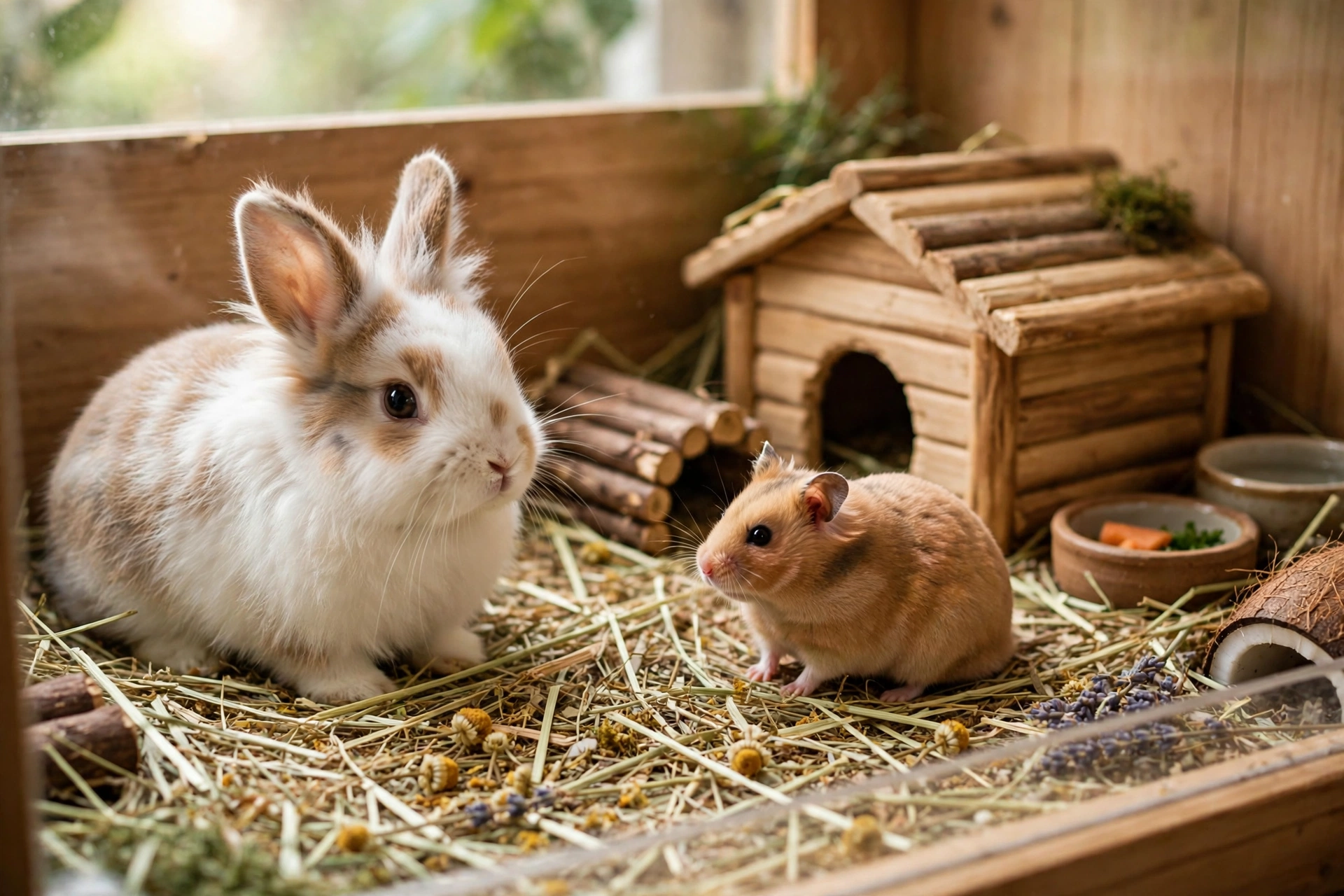
Rabbits also benefit from hiding spaces where they can relax without disturbance. Safe flooring and appropriate enrichment materials can make their environment more comfortable.
Provide Proper Nutrition
Nutrition plays a major role in animal health. Owners should understand which foods are appropriate for their particular pet rather than relying on random online suggestions.
For rabbits, grass hay should form the main part of their diet. Fresh water must always be available, while suitable leafy greens and measured portions of rabbit pellets can provide additional nutrition.
Foods containing excessive sugar or unsuitable ingredients should be avoided. When introducing new foods, owners should do so gradually and seek veterinary advice when necessary.
Keep Animals Physically Active
Exercise supports physical health and encourages natural behavior. Small pets need opportunities to move, explore, and interact with their surroundings.
Rabbits enjoy exploring safe areas, playing with suitable toys, and investigating new objects. Cardboard tunnels, untreated wooden chew toys, and supervised play areas can provide enrichment.
Owners should regularly inspect toys and remove anything damaged or unsafe.
Make Pet Care More Enjoyable
Daily care does not have to feel like a boring responsibility. Owners can create simple routines that make spending time with animals more enjoyable.
For example, observing a rabbit's favorite activities can reveal its personality. Some rabbits enjoy exploring, while others prefer relaxing in comfortable hiding places.
These little habits can also inspire creative naming ideas. If you are welcoming a rabbit into your home, browsing Funny Rabbit Names can help you find a memorable name that reflects its personality.
Pay Attention to Health and Behavior
Animals cannot explain when something is wrong, so owners must learn to recognize changes in behavior.
Reduced appetite, unusual droppings, changes in movement, or signs of discomfort should never be ignored. Rabbits that stop eating require prompt veterinary attention because digestive problems can become serious quickly.
Routine veterinary checkups and proper preventive care are important parts of responsible ownership.
Build a Strong Relationship Through Patience
Trust develops gradually. Owners should avoid forcing interaction and allow animals to become comfortable at their own pace.
Gentle handling, predictable routines, and positive experiences can help create a stronger bond.
Families can also make pet care more personal by choosing a name together. Creative options are available through collections of Funny Rabbit Names, making it easier to find something that suits an animal's unique character.
Final Thoughts
A happy small pet needs more than food and shelter. It requires a safe environment, appropriate nutrition, regular exercise, health monitoring, and patient interaction. By understanding these responsibilities, owners can create a comfortable home where their animals have the opportunity to remain healthy, active, and content.