
Hosting a dinner party is a wonderful way to bring friends and family together, and serving an herb-crusted roast can elevate the entire experience. The combination of aromatic herbs, tender meat, and a perfectly roasted exterior creates a memorable centerpiece for your table. Preparing this dish requires attention to detail, from selecting the right cut of meat to mastering the crust and ensuring the roast is cooked to perfection. With the right approach, you can impress your guests and enjoy a stress-free evening filled with delicious food and great company.
What to Expect When Making an Herb-Crusted Roast
Choosing the Right Cut and Ingredients
Selecting the right cut of meat is the foundation of a successful herb-crusted roast. For a dinner party, popular choices include beef ribeye, pork loin, or lamb rack, each offering unique flavors and textures. When choosing your meat, look for a cut with good marbling, as this will ensure tenderness and juiciness after roasting. Freshness is key, so purchase your meat from a reputable butcher or market. The herbs you select will define the flavor profile of your roast. Classic combinations include rosemary, thyme, parsley, and garlic, but you can also experiment with sage, oregano, or tarragon for a different twist. Use fresh herbs whenever possible, as they provide a more vibrant aroma and taste compared to dried varieties. High-quality olive oil, coarse salt, and freshly ground black pepper are essential for seasoning and helping the herb crust adhere to the meat. For added depth, consider incorporating Dijon mustard or a touch of lemon zest into your herb mixture. Preparing your ingredients ahead of time and allowing the meat to come to room temperature before roasting will help ensure even cooking and a flavorful result.
Preparing the Herb Crust
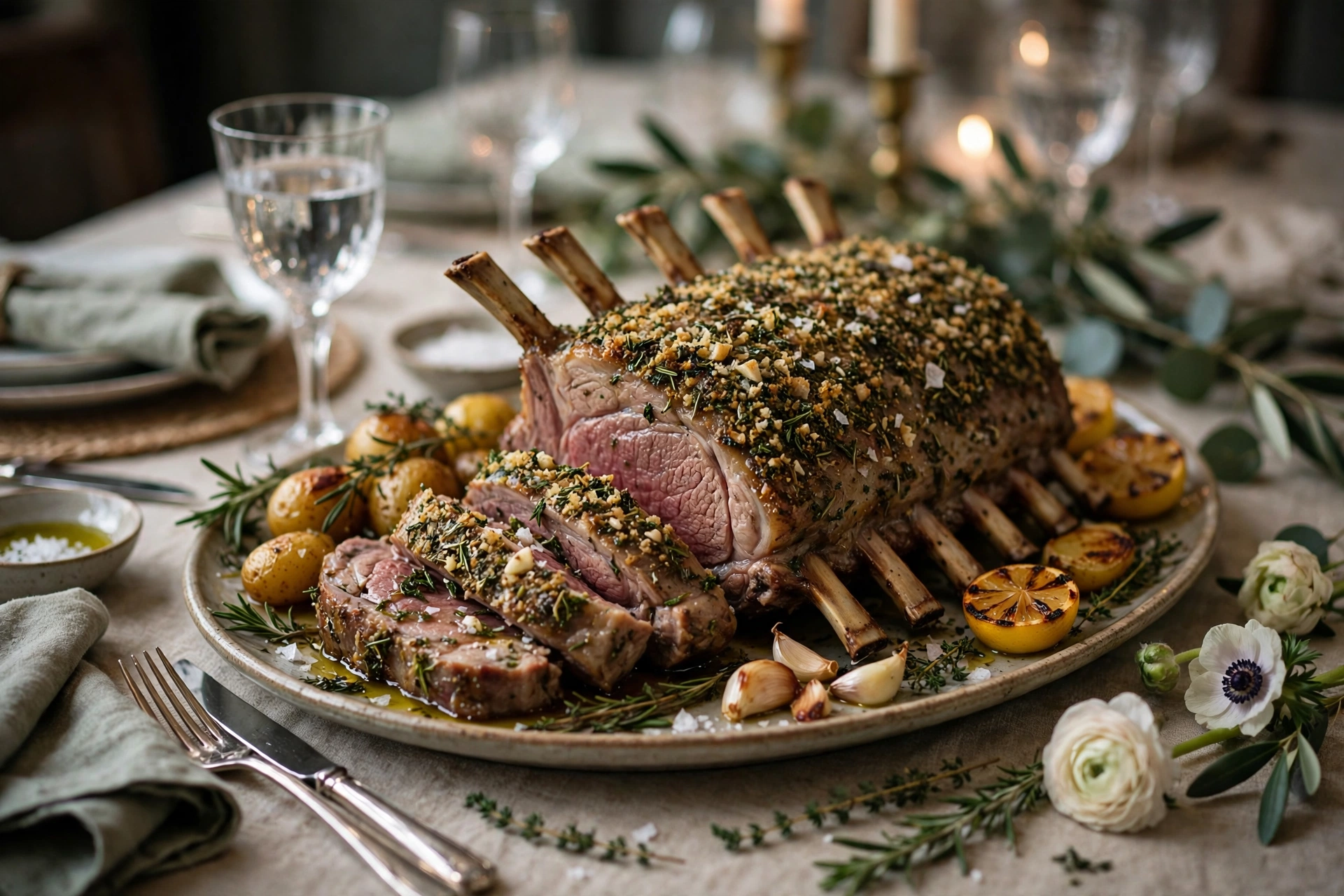
The process of creating an herb crust is both simple and rewarding, as it infuses the roast with layers of flavor and creates a visually appealing presentation. Begin by finely chopping your chosen herbs and mixing them with minced garlic, olive oil, salt, and pepper. The consistency should be thick enough to coat the meat without sliding off. If you prefer a more cohesive crust, add a small amount of breadcrumbs or grated Parmesan cheese to the mixture. Before applying the herb crust, pat the meat dry with paper towels to remove excess moisture, which helps the crust adhere better. Spread a thin layer of Dijon mustard over the surface of the meat to act as a binding agent and enhance the flavor. Press the herb mixture evenly onto the meat, ensuring all sides are well coated. For those seeking inspiration, the Lamb rack recipe from the referenced source showcases how rosemary and garlic can transform a simple roast into a show-stopping dish. Once the crust is applied, allow the meat to rest for a few minutes to let the flavors meld before transferring it to the oven. This step is crucial for achieving a flavorful, aromatic crust that will impress your dinner guests.
Roasting Techniques for Perfect Results
Achieving the ideal roast requires careful attention to temperature and timing. Preheat your oven to the appropriate temperature based on the type and size of your roast. For most herb-crusted roasts, a moderate oven temperature between 375°F and 425°F works well, allowing the crust to brown without burning while the meat cooks evenly. Place the roast on a rack in a roasting pan to promote air circulation and prevent the bottom from becoming soggy. Insert a meat thermometer into the thickest part of the roast to monitor doneness without repeatedly opening the oven. Cooking times will vary depending on the cut and desired level of doneness, but as a general guideline, plan for about 20 minutes per pound for medium-rare beef or lamb, and slightly longer for pork. Basting the roast with pan juices halfway through cooking can enhance moisture and flavor. Once the roast reaches the desired internal temperature, remove it from the oven and tent it loosely with foil. Allowing the meat to rest for at least 15 minutes before slicing is essential, as it enables the juices to redistribute and results in a tender, succulent roast. Slicing too soon can cause the juices to escape, leading to a drier final product. With patience and attention to detail, your herb-crusted roast will emerge from the oven beautifully browned and ready to serve.
Serving and Presentation Tips
Presentation plays a significant role in the overall dining experience, especially when hosting a dinner party. Arrange the sliced roast on a large platter, fanning out the pieces to showcase the herb crust and juicy interior. Garnish the platter with sprigs of fresh herbs or roasted vegetables for a colorful, inviting appearance. Serve the roast alongside complementary side dishes such as roasted potatoes, seasonal vegetables, or a crisp green salad. Offering a flavorful sauce or jus on the side can enhance the dish and provide guests with additional options. When carving the roast, use a sharp knife to ensure clean, even slices, and serve immediately to maintain warmth and texture. Encourage guests to savor the combination of tender meat and aromatic herbs, which are the hallmark of a well-prepared herb-crusted roast. Thoughtful presentation and attention to detail will leave a lasting impression and make your dinner party a memorable occasion.
Pairing with Wine and Sides
Pairing your herb-crusted roast with the right wine and side dishes can elevate the meal and create a harmonious dining experience. For beef or lamb roasts, robust red wines such as Cabernet Sauvignon, Merlot, or Syrah complement the rich flavors and herbal notes. Pork roasts pair well with lighter reds like Pinot Noir or even a full-bodied white wine such as Chardonnay. When selecting side dishes, consider options that balance the richness of the roast, such as roasted root vegetables, creamy mashed potatoes, or a tangy vinaigrette-dressed salad. Incorporating seasonal ingredients adds freshness and variety to the meal. Bread or rolls served with herb-infused butter can round out the menu and provide a comforting touch. Thoughtful wine and side pairings not only enhance the flavors of the main dish but also contribute to a well-rounded and enjoyable dinner party.
Make-Ahead Tips for Stress-Free Entertaining
Preparing an herb-crusted roast for a dinner party can be made easier with a few strategic make-ahead steps. You can assemble the herb crust and coat the meat several hours in advance, allowing the flavors to penetrate and saving time on the day of your event. Store the prepared roast in the refrigerator, covered, until you are ready to cook. Bringing the meat to room temperature before roasting ensures even cooking and a tender result. Side dishes such as roasted vegetables or salads can also be prepped ahead of time and finished just before serving. By organizing your tasks and preparing components in advance, you can focus on enjoying your guests and the meal rather than spending the evening in the kitchen.
Quick Tips for a Flavorful Crust
For a truly flavorful herb crust, always use fresh herbs and high-quality olive oil. Press the herb mixture firmly onto the meat to ensure it adheres well and forms a crisp, aromatic layer during roasting. Letting the coated roast rest before cooking helps the flavors meld and enhances the final result.
Conclusion
Preparing an herb-crusted roast for a dinner party is a rewarding way to create a memorable meal that brings people together. By carefully selecting your ingredients, mastering the herb crust, and paying attention to roasting techniques, you can achieve a dish that is both flavorful and visually stunning. Thoughtful presentation and well-chosen wine and side pairings further enhance the dining experience, ensuring your guests leave satisfied and impressed. With a few make-ahead strategies, you can minimize stress and focus on enjoying the company of your friends and family. An herb-crusted roast not only serves as a delicious centerpiece but also sets the tone for a warm and inviting gathering, making your dinner party a truly special occasion.