
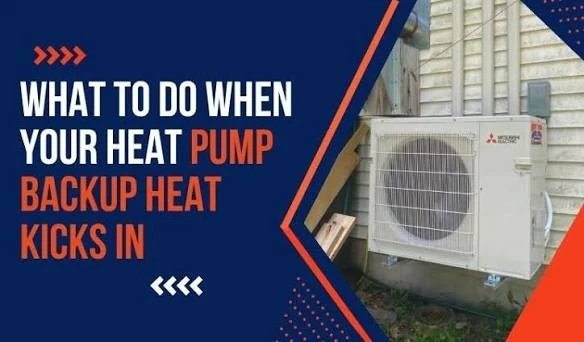
When winter temperatures drop, many homeowners rely on heat pumps to keep their homes comfortable and energy-efficient. However, it can be frustrating to notice that your heat pump frequently switches to backup heat, also known as auxiliary or emergency heat. This backup system is designed to provide extra warmth when the heat pump alone cannot keep up, but if it activates too often, it can lead to higher energy bills and signal underlying issues. Understanding why your heat pump keeps switching to backup heat is essential for maintaining comfort, efficiency, and the longevity of your HVAC system.
What to Expect from Your Heat Pump
How Heat Pumps and Backup Heat Work
Heat pumps are designed to transfer heat from the outside air into your home, even during cold weather. They are highly efficient in moderate climates, but as outdoor temperatures fall, their ability to extract heat diminishes. When the temperature drops below a certain point, usually around 35°F to 40°F, the heat pump may struggle to provide enough warmth on its own. At this stage, the system automatically activates backup heat, which is typically electric resistance heating or, in some cases, a gas furnace. This backup heat is less efficient and more costly to operate, but it ensures your home remains comfortable during extreme cold. If your heat pump is switching to backup heat more frequently than expected, it could be due to factors such as improper sizing, thermostat settings, or even a malfunction within the system. Understanding the interplay between your heat pump and its backup system is the first step in diagnosing and resolving the issue.
Common Reasons for Frequent Backup Heat Activation
One of the most common reasons a heat pump switches to backup heat is due to extremely low outdoor temperatures. When the air outside is too cold, the heat pump cannot extract enough heat to maintain the desired indoor temperature, prompting the system to engage the backup heat source. However, frequent activation can also be a sign of other problems. Poor insulation in your home can cause heat loss, making it harder for the heat pump to keep up. Dirty air filters, blocked vents, or refrigerant issues can also reduce the efficiency of your heat pump, causing it to rely more on backup heat. Additionally, if your thermostat is set too high, the system may struggle to reach the target temperature, leading to more frequent use of auxiliary heat. Homeowners in Mountain City, GA, often turn to RadLee Heating and Cooling for professional assessment and solutions when their heat pumps are not operating as efficiently as they should.
The Role of Thermostat Settings
Thermostat settings play a significant role in how often your heat pump switches to backup heat. Many modern thermostats are equipped with features that automatically engage auxiliary heat when the temperature difference between the current indoor temperature and the set point is too great. For example, if you set your thermostat several degrees higher than the current room temperature, the system may activate backup heat to reach the desired temperature more quickly. This can lead to unnecessary energy consumption and higher utility bills. To minimize the use of backup heat, it is advisable to set your thermostat to a consistent, moderate temperature and avoid drastic adjustments. Programmable thermostats can help maintain a steady temperature throughout the day, reducing the likelihood of triggering auxiliary heat. If you notice your heat pump frequently switching to backup heat despite moderate thermostat settings, it may be time to have your system inspected for potential issues.
When to Call for Professional Help
If your heat pump continues to rely heavily on backup heat despite addressing insulation, thermostat settings, and routine maintenance, it may indicate a more serious problem. Issues such as refrigerant leaks, malfunctioning sensors, or electrical problems can compromise the efficiency of your heat pump. In these cases, professional diagnosis and repair are necessary to restore optimal performance. A qualified HVAC technician can assess your system, identify the root cause of the problem, and recommend appropriate solutions. Regular maintenance, including cleaning coils, checking refrigerant levels, and inspecting electrical components, can help prevent future issues and ensure your heat pump operates efficiently throughout the winter months. Ignoring persistent problems can lead to increased energy costs and potential damage to your HVAC system over time.
Quick Tips for Reducing Backup Heat Usage
Simple steps can help reduce how often your heat pump switches to backup heat. Regularly changing air filters, sealing drafts around windows and doors, and keeping vents clear of obstructions can improve system efficiency. Scheduling annual maintenance checks ensures your heat pump is running smoothly and can help catch minor issues before they become major problems. Keeping your thermostat at a steady temperature and avoiding large temperature swings also helps minimize the need for auxiliary heat. These small actions can make a noticeable difference in your comfort and energy bills.
Conclusion
Understanding why your heat pump keeps switching to backup heat is crucial for maintaining a comfortable and energy-efficient home during the colder months. Frequent reliance on backup heat can be caused by low outdoor temperatures, poor insulation, incorrect thermostat settings, or underlying mechanical issues. By addressing these factors and ensuring regular maintenance, you can reduce unnecessary use of auxiliary heat and keep your energy costs in check. If problems persist, seeking professional assistance can help identify and resolve more complex issues, ensuring your heat pump operates reliably and efficiently all winter long. Taking proactive steps now will help you enjoy consistent warmth and peace of mind throughout the heating season.