

Key Takeaways
- No single tooth-replacement option is right for every patient.
- A complete evaluation should consider gums, jawbone, bite, nearby teeth, health history, and long-term goals.
- Compare the entire treatment plan, not only an advertised starting price.
- Ask whether a damaged natural tooth can reasonably be saved before agreeing to extraction.
- Clear questions about imaging, recovery, maintenance, insurance, and future repairs can support a more confident decision.
For Naples residents, choosing a replacement for a missing tooth can affect everyday routines, from enjoying fresh local seafood to speaking comfortably at work or social gatherings. A dental implant consultation at Richard J. Garcia, DMD Aesthetic Dentistry can provide a personalized starting point for Naples-area patients, as the practice’s implant service focuses on reviewing oral and medical histories, three-dimensional imaging, treatment planning, and restorative options for single teeth, multiple teeth, and full arches. Implants can be an effective choice for many people, but they are not automatically the best choice for everyone. A thoughtful plan should account for the condition of the remaining teeth, the health of the gums, the amount of available bone, the bite, healing considerations, budget, and the kind of daily care a patient can maintain.
Why Planning Matters Before Tooth Replacement
A missing tooth may change how a person chews, speaks, or feels about smiling. Nearby teeth can also shift over time, and the jawbone in the area of a missing tooth may change. Replacing a tooth is not always an immediate emergency, but postponing an evaluation can sometimes narrow the available options. Before removing a tooth, ask whether it can be restored with treatments such as a filling, crown, root canal treatment, or periodontal care. Extraction can be appropriate when a tooth is not predictably restorable, but preserving a healthy or treatable natural tooth is generally worth discussing.
How Implants, Bridges, and Dentures Differ
Each approach has different benefits and tradeoffs. The right comparison is based on the specific location and number of missing teeth, not simply on which option seems most convenient at first.
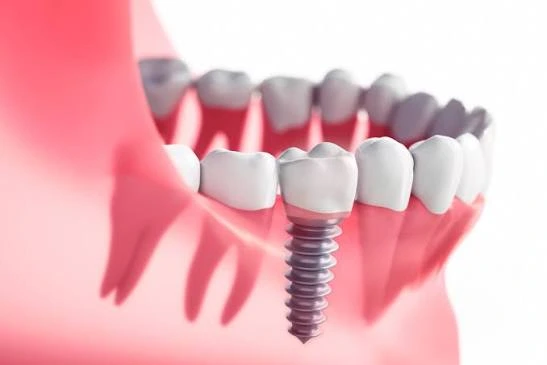
- Dental implants: An implant post placed in the jawbone can support a crown, bridge, or denture. It does not rely on adjacent teeth for support.
- Traditional bridges: A bridge replaces a missing tooth by using neighboring teeth as support. Those teeth may need to be reshaped for crowns.
- Partial dentures: These removable appliances can replace several missing teeth and may use clasps or other supports.
- Full dentures: These removable appliances replace most or all teeth in an upper or lower arch.
- Implant-supported dentures: These use implants to improve retention and stability for a removable or fixed denture.
When comparing options, ask about stability while eating and speaking, the effect on neighboring teeth, the expected treatment sequence, cleaning requirements, likely repairs, and both short- and long-term costs.
Factors That May Affect Candidacy
Implant candidacy cannot be decided by an online quiz alone. A dental examination and appropriate imaging help determine whether implant placement is suitable and what preparation may be needed.
- Gum health and signs of periodontal disease.
- Jawbone volume and the potential need for grafting.
- Health of nearby teeth and roots.
- Clenching, grinding, or heavy bite forces.
- Tobacco use, diabetes, medications, and other healing considerations.
- The number and location of missing teeth.
- Ability to follow home-care and professional-maintenance recommendations.
A factor that complicates treatment does not always rule it out. Gum therapy, bone grafting, changes in timing, or a different restoration design may make another path possible.
Questions to Ask at a Dental Implant Consultation
- Can the natural tooth still be saved?
- Which replacement options fit my current oral health?
- Why is an implant recommended instead of a bridge or denture?
- Will nearby teeth need to be altered?
- Is there enough bone for an implant, or is grafting needed?
- Will I need extraction, gum treatment, or a temporary tooth first?
- Who will perform the surgical and restorative stages?
- How long is the expected treatment sequence?
- What anesthesia or sedation options are available?
- What complications, repairs, or replacement needs should I anticipate?
Why Imaging and Treatment Design Matter
Dental X-rays and three-dimensional imaging can help a clinician evaluate bone, roots, nerves, sinus spaces, and neighboring teeth. Treatment design should also consider where the final crown, bridge, or denture needs to sit for a comfortable bite and a cleanable result. The ADA’s 2026 imaging recommendations describe panoramic imaging as an initial assessment tool before implant procedures and CBCT as a tool for presurgical implant planning and placement when clinically indicated. Patients can ask why a particular image is recommended and how it will inform the plan.
How to Review Costs and Insurance
Ask for a written estimate that separates each major phase: examination, imaging, extraction, grafting, implant placement, abutment, temporary restoration, final crown or prosthesis, anesthesia, and follow-up care. This makes it easier to compare plans accurately. Insurance benefits vary substantially. The coverage considerations for dental implants outlined by the American Association of Oral and Maxillofacial Surgeons can help patients remember to review dental and medical benefits, exclusions, annual maximums, prior-treatment requirements, and coverage for related services, such as extractions or grafting.
Recovery and Long-Term Maintenance
Short-term recovery can include tenderness, swelling, and temporary dietary changes. Healing before the final restoration may take time, particularly when grafting or multiple procedures are involved. Ask about time away from work, exercise restrictions, driving after sedation, prescriptions, and follow-up visits. Implants still require consistent brushing, cleaning between teeth or beneath restorations as instructed, professional cleanings, and regular examinations. The implant post and the visible crown, bridge, or denture are separate components, so their maintenance and repair needs may differ.
How to Compare Dental Providers
- Ask about the provider’s experience with the specific treatment being proposed.
- Clarify whether one team coordinates both implant placement and the final restoration.
- Ask how imaging, bite planning, complications, and future repairs are handled.
- Look for an explanation of alternatives, limitations, and risks before financing is discussed.
- Consider a second opinion for multiple extractions, full-arch treatment, or a major financial commitment.
A Simple Decision Checklist
- Has the cause of tooth loss been explained?
- Have reasonable alternatives been discussed?
- Has saving the natural tooth been considered?
- Have gums, bone, bite, and nearby teeth been evaluated?
- Is the treatment sequence clear in writing?
- Does the estimate list all major services?
- Are recovery, maintenance, and possible repairs understood?
- Does the plan fit personal health needs, schedule, goals, and budget?
Conclusion
Choosing a tooth-replacement plan is both a health decision and a personal one. For some patients in Naples, Florida, dental implants may offer the right balance of stability, appearance, and long-term function. For others, a traditional bridge, partial denture, full denture, or implant-supported denture may be more appropriate based on their oral health, remaining teeth, bone support, lifestyle, and budget. A complete dental evaluation helps identify the available options and determine whether additional procedures, such as tooth extraction, gum treatment, or bone grafting, may be needed before treatment begins. Patients should also compare the expected timeline, healing requirements, potential risks, maintenance needs, and total cost of each approach rather than focusing only on the initial price. Asking who will perform each stage of treatment, what the quoted fee includes, and how follow-up care will be managed can help prevent unexpected expenses and confusion. An honest discussion about the benefits and limitations of each option allows patients to develop realistic expectations. With a clear comparison of alternatives and a personalized treatment plan, patients can make a more informed decision that supports their comfort, oral health, and everyday needs over time.