

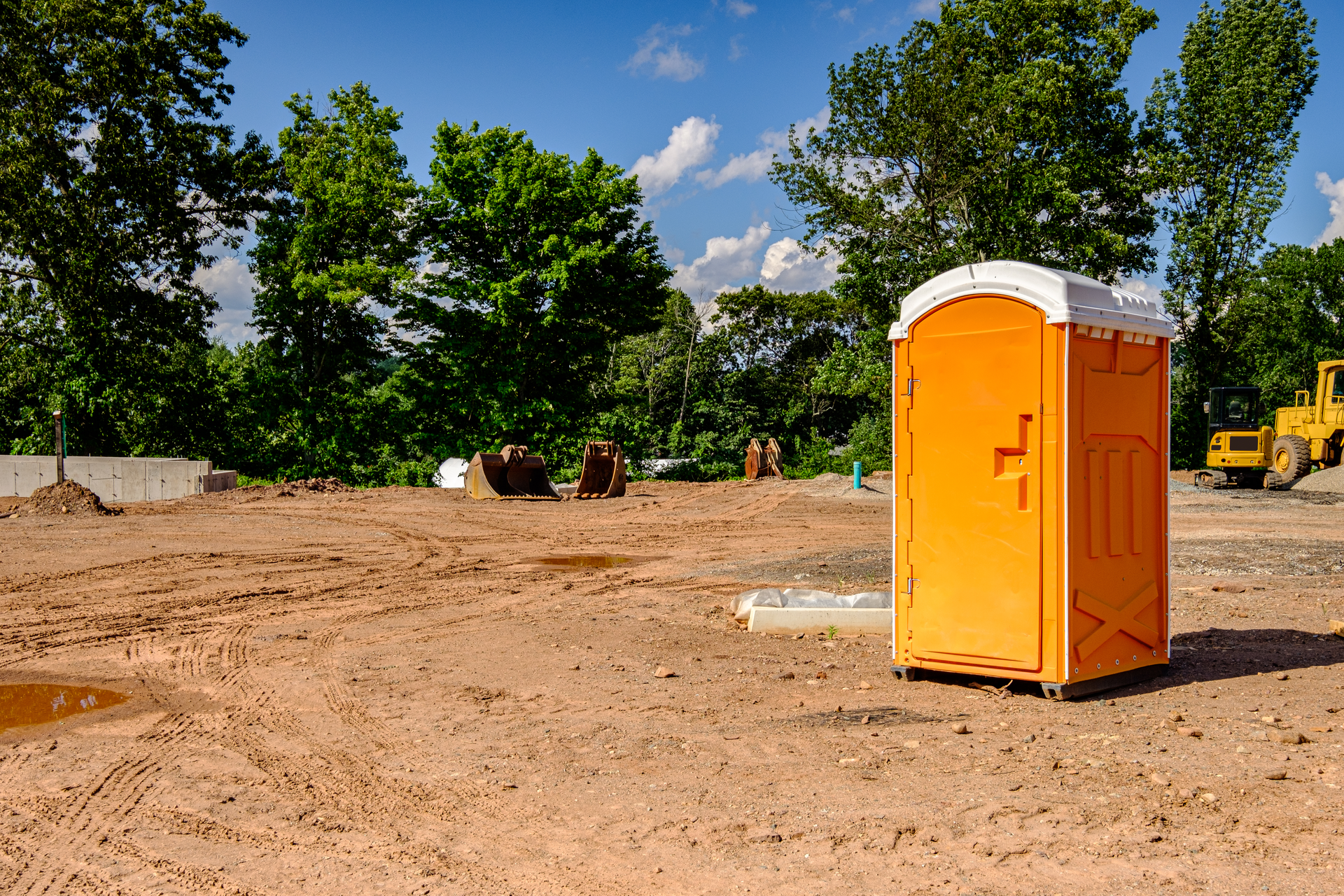
Urban construction projects create sanitation challenges that are different from those on open suburban or rural jobsites. Contractors may be working with narrow lots, limited staging space, heavy pedestrian traffic, active businesses, restricted street access, and multiple trades operating in close quarters.
Portable restroom planning needs to fit into that environment without interfering with equipment, deliveries, emergency access, or neighboring properties. Contractors should think about placement, servicing, worker access, security, and changing site conditions before units arrive. A well-planned sanitation setup can support daily operations without creating another logistical problem in an already crowded work zone.
Start With the Site Footprint
Urban jobsites often have very little unused space. Every section of the property may already be assigned to equipment, material staging, temporary fencing, dumpsters, storage, or worker access.
Contractors should review the full site plan before selecting a portable restroom location. A unit should not simply be placed wherever there appears to be an empty corner during initial setup.
The location should continue to work once materials arrive, excavation begins, scaffolding goes up, and additional trades enter the project.
Keep Restrooms Close Enough to Workers
Workers should be able to reach sanitation facilities without leaving the site unnecessarily or walking long distances through active construction zones.
On larger urban projects, crews may be spread across several floors or different sections of the property. Contractors should consider how long it takes workers to reach the facilities during normal operations.
Working with Rent Porta Johns can help contractors coordinate portable restroom placement around site access, workforce size, and servicing requirements. The goal is to make units convenient enough to use while keeping them away from hazards and high-conflict areas.
Protect Pedestrian Traffic
Urban construction often happens directly beside public sidewalks, storefronts, apartment entrances, transit stops, or office buildings. Portable restrooms should not force workers or the public into unsafe paths.
Units should be positioned so doors do not open directly into busy pedestrian routes or create unnecessary congestion along sidewalks.
If the project requires temporary sidewalk closures or protected pedestrian paths, restroom placement should be coordinated with those routes from the beginning.
Maintain Emergency Access
Fire lanes, hydrants, building entrances, emergency exits, and access routes need to remain clear throughout construction.
Portable restrooms should never be positioned where they interfere with emergency response or block required access points. This consideration is especially important on tight sites where only one narrow route may serve several functions.
Contractors should review sanitation placement alongside the broader emergency and site logistics plan rather than treating it as a separate decision.
Plan Around Street Restrictions
Some urban construction sites rely heavily on curb space. Delivery trucks, cranes, concrete trucks, dumpsters, and contractor vehicles may all need temporary street access.
Portable restroom delivery and servicing should be coordinated with those activities. A service vehicle may not be able to stop wherever it wants if parking restrictions, bus lanes, loading zones, or traffic controls apply.
Contractors should confirm where service vehicles can legally and practically operate before the units are placed.
Keep Service Access Available
A portable restroom is only useful if it can be serviced throughout the project. Urban sites can become blocked quickly by parked vehicles, scaffolding, fencing, pallets, or delivered materials.
The service route should remain accessible after the initial setup. Contractors should avoid placing units behind areas that will later be closed off by construction.
Before scheduled servicing, someone on the site should verify that gates are open and the necessary access path remains clear.
Coordinate With Material Deliveries
Urban construction schedules often depend on carefully timed deliveries because there is little room to store materials. Lumber, steel, drywall, equipment, concrete, fixtures, and other supplies may arrive throughout the day.
Portable sanitation should not interfere with those delivery zones. Conversely, delivered materials should not be stacked around restroom units or block the route needed to service them.
The superintendent or site manager should include sanitation access when planning daily delivery activity.
Consider Vertical Construction
Multi-story urban projects can create additional challenges because workers may be far from ground-level sanitation facilities.
Contractors should consider crew size, building height, elevator availability, stair access, and the amount of time required to leave the work area.
As construction progresses upward, a sanitation plan that worked well during foundation or framing work may become less convenient. The plan should be reviewed as worker locations change.
Account for Changing Site Phases
Urban construction zones can change dramatically from month to month. Excavation may occupy most of the site early on, followed by structural work, exterior enclosure, interior construction, and finish work.
Portable restroom locations may need to change as those phases progress. A unit placed near an open corner during early work could later interfere with scaffolding, utility installation, paving, or landscaping.
Contractors should include sanitation in regular logistics reviews and relocate units when the work sequence makes the original placement impractical.
Protect Units from Equipment Traffic
Forklifts, skid steers, loaders, cranes, delivery trucks, and other equipment may operate within a very small area on urban jobsites.
Portable restrooms should be positioned away from primary equipment paths and turning zones. Barriers or other site-approved protection may be appropriate where equipment operates nearby.
A convenient location is not useful if workers have to cross active machinery routes every time they use the restroom.
Plan for Workforce Changes
The number of workers on an urban construction site can fluctuate significantly. Early site work may involve a relatively small crew, while later phases bring electricians, plumbers, drywall installers, HVAC technicians, finish crews, and other subcontractors.
Contractors should review sanitation needs as workforce levels increase. A setup that served the initial crew may not be sufficient once several trades overlap.
Planning adjustments before peak staffing helps avoid long lines and overused facilities.
Coordinate With Adjacent Businesses and Residents
Construction zones in cities are often surrounded by occupied buildings. Restaurants, offices, apartments, retail stores, and other businesses may operate within a few feet of the jobsite.
Portable restrooms should be placed with consideration for those neighboring properties. Contractors should avoid locations that unnecessarily obstruct entrances, windows, loading areas, or customer paths.
Good placement can reduce complaints while allowing workers to use facilities without leaving the controlled construction area.
Think About Visibility and Security
Urban jobsites may be exposed to public traffic outside normal work hours. Portable restrooms should remain within secured areas whenever practical.
Gates, fencing, lighting, or controlled access can help prevent unauthorized use or vandalism. Contractors should also avoid placing units where they are hidden from normal site oversight but easily accessible from the street.
Security planning becomes especially important on projects that remain active for months.
Include Accessible Facilities Where Required
Projects may require accessible portable restrooms depending on workforce needs, site requirements, or applicable rules.
Accessible units need appropriate space and a practical route. Contractors should not position them where uneven ground, stored materials, curbs, or narrow paths make access difficult.
The surrounding area should remain clear throughout the project rather than gradually becoming another storage location.
Prepare for Weather
Urban sites are not immune to weather-related problems. Rain can create standing water around curb lines or excavation zones, while winter conditions can bring snow and ice.
Portable restrooms should be placed on stable ground where access can be maintained. Snow removal, drainage, and temporary walking surfaces may need to be coordinated around the units.
Hot weather can also increase restroom use as workers consume more fluids, so contractors should pay attention to changing servicing needs during summer work.
Keep Restroom Areas Clean
A portable restroom area can quickly become cluttered if crews begin placing scrap materials, packaging, tools, or equipment nearby.
Contractors should keep the surrounding space clear and include it in routine site housekeeping. Workers need a safe path to the facilities, and service personnel need enough room to perform maintenance.
Keeping the area organized also helps prevent sanitation facilities from becoming part of a larger debris problem.
Coordinate With Shift Schedules
Some urban construction projects operate extended hours, overnight shifts, or staggered crews to accommodate traffic restrictions and delivery windows.
Portable sanitation needs to support the actual work schedule, not just daytime operations. Contractors should consider whether servicing times conflict with active shifts or site closures.
If crews are working overnight, lighting around the restroom area should also be adequate for safe use.
Monitor Conditions Regularly
Portable sanitation should not be a set-it-and-forget-it part of the site. Conditions change as workforce levels, project phases, and access routes change.
Supervisors should periodically check the units, surrounding area, and service path. If workers begin creating unofficial shortcuts or if materials start blocking access, the problem should be corrected quickly.
Regular reviews help keep the setup functional throughout a long project.
Avoid Common Urban Placement Mistakes
One common mistake is placing units based only on where space is available during initial setup. Another is failing to consider how the site will change once scaffolding, deliveries, and additional trades arrive.
Contractors should also avoid blocking pedestrian routes, allowing service access to disappear, or putting sanitation facilities too far from the workforce.
The best setup balances worker convenience with site safety, security, and long-term accessibility.
Portable sanitation considerations for urban construction zones revolve around limited space, changing site conditions, worker access, public traffic, and dependable servicing. Contractors need to fit restroom facilities into a site already competing for every available foot of space.
By reviewing the full construction sequence, protecting service routes, coordinating with deliveries and equipment, monitoring workforce changes, and adjusting placement as the project evolves, contractors can maintain a practical sanitation setup. Careful planning helps portable restrooms support the jobsite without interfering with the work happening around them.