

AI video tools can help marketers turn campaign ideas into polished video content faster, but generating a video does not automatically make it shareable. Viral potential comes from understanding the audience, presenting a compelling idea, and keeping viewers interested long enough to deliver the message. AI can streamline scripting, scene creation, voiceovers, captions, and editing while marketers guide the strategy and creative direction. By combining thoughtful planning with effective generation techniques, brands can create marketing videos designed to capture attention, communicate value clearly, and encourage viewers to watch, react, and share.
Plan Your Viral Video Strategy Before Using an AI Video Generator
Define Your Audience, Goal, and Core Marketing Message
Start by identifying exactly who should watch the video and what action you want those viewers to take. Consider their interests, common problems, motivations, and familiarity with your product or service. Next, define one primary campaign goal, such as building awareness, explaining a benefit, or encouraging a specific response. Condense the marketing message into one clear statement before creating scenes. This foundation helps prevent unfocused videos and gives every script line, visual choice, and call to action a specific purpose within the campaign.
Choose Video Formats That Match Viewer Preferences
Select a format based on how and where your target audience consumes content. Short vertical videos often require immediate visual clarity and concise messaging, while longer formats allow more time for demonstrations, explanations, or stories. Consider whether your concept works best as a product showcase, tutorial, customer-focused scenario, educational clip, or narrative. An ai video generator can help translate that planned format into visual content, but the format itself should reflect audience behavior and campaign objectives rather than simply following a production trend.
Create Strong Video Ideas Based on Trends and Customer Needs
Strong marketing concepts connect current audience interests with a genuine customer need. Review recurring questions, objections, use cases, search behavior, and feedback to identify subjects worth addressing. Trends can provide a timely creative angle, but they should support the brand message rather than replace it. Develop ideas around useful demonstrations, relatable problems, surprising observations, or concise stories that offer immediate value. A trend becomes more meaningful when the video gives viewers something relevant to learn, recognize, discuss, or share with people who have similar interests.
Use AI Video Generator Features to Build More Engaging Videos
Write Better Prompts for Creative Video Scenes and Visual Effects
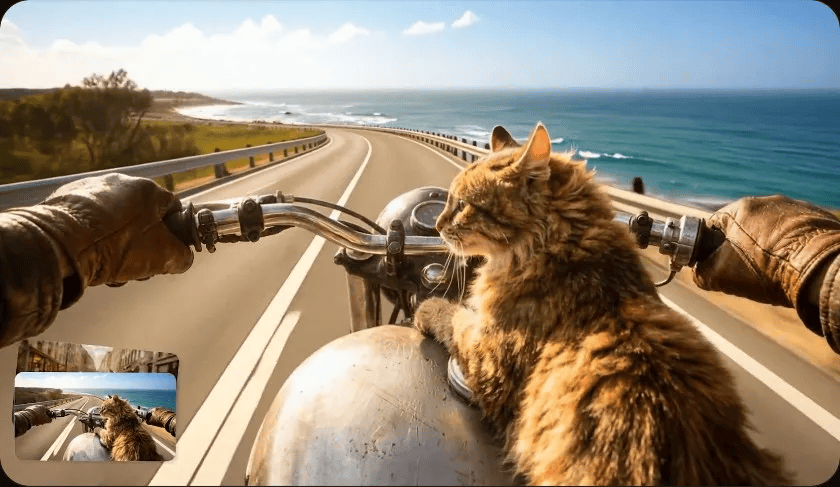
Effective prompts describe what viewers should see rather than relying on broad requests such as “make an exciting marketing video.” Specify the subject, action, environment, composition, mood, camera perspective, and important visual details. Keep each scene focused so the generation system receives clear creative direction. When experimenting with a product option such as Kling VIDEO 3.0, build prompts around the campaign concept instead of adding details without purpose. Review each output and refine specific instructions that affect clarity, consistency, and the intended visual impact.
Generate Compelling Scripts, Voiceovers, and Captions With AI
Use AI to develop a first script around one central message, then edit it for clarity, rhythm, and brand relevance. Keep sentences concise enough for natural narration and remove information that does not move the video forward. Voiceovers should complement the visuals instead of describing everything already visible on screen. Captions can reinforce important phrases and make spoken information easier to follow when audio is unavailable or unwanted. Before publishing, review generated scripts and captions carefully for factual accuracy, natural phrasing, spelling, and consistency with the intended campaign message.
Improve Retention With Smart Editing, Transitions, and Branding Elements
Editing should keep attention focused on the message rather than overwhelm viewers with effects. Remove pauses, repetitive shots, and scenes that add little value. Use transitions when they clarify a change in subject, location, or sequence instead of inserting them automatically between every clip. Branding elements such as logos, typography, and recognizable visual treatments should remain consistent without dominating the content. A deliberate editing rhythm helps information arrive at the right moment while giving viewers enough time to understand important visuals, captions, and calls to action.
Advanced Tips for Making AI Marketing Videos More Shareable
Create Strong Hooks Within the First Few Seconds
The opening should immediately give viewers a reason to continue. Lead with a relevant problem, intriguing visual, useful promise, direct question, or unexpected situation that connects to the video’s central idea. Avoid lengthy introductions, logo sequences, or background explanations before reaching the point. The hook should also accurately represent what follows; misleading openings may attract initial attention but can weaken trust. Pair concise opening language with clear visual action so viewers quickly understand the subject and anticipate the value the rest of the video will provide.
Add Emotional Storytelling to Increase Viewer Engagement
Emotion can make marketing content more memorable when it grows naturally from the audience’s needs and the story being told. Instead of presenting disconnected product information, build a simple progression around a challenge, experience, discovery, or transformation. Show why the situation matters to the viewer before presenting the outcome. Humor, curiosity, excitement, empathy, or satisfaction can strengthen engagement when appropriate to the brand and message. Keep the story focused and believable, using generated visuals and narration to support the emotional arc rather than manufacturing exaggerated reactions.
Optimize Video Length, Format, and Platform Requirements
Prepare each video for its intended publishing environment instead of exporting one version for every channel. Check the required aspect ratio, resolution, duration, caption placement, file specifications, and other relevant publishing requirements before finalizing the edit. Keep the video only as long as necessary to communicate its message effectively. Remove repeated points and slow sections that weaken momentum. Preview the finished video on the type of screen viewers are likely to use, checking that text remains readable and essential visual information stays within the visible frame.
Conclusion
Creating shareable AI marketing videos requires more than fast generation. Start with a defined audience, campaign goal, and focused message, then choose a format and creative concept that suit viewer expectations. Use clear prompts, purposeful scripts, coordinated visuals, readable captions, and disciplined editing to hold attention. Strong hooks and relevant storytelling can make the content more engaging, while platform-specific optimization improves presentation. Treat AI as part of the production workflow, then apply human judgment to every draft so the finished video remains clear, useful, distinctive, and aligned with the campaign.