
A Rudraksha bead may look unremarkable in a display case, yet choosing one can raise important questions. Are its natural features intact? Does its stated Mukhi count match the bead? Is the price supported by reliable evidence? These details matter when a purchase carries spiritual significance.
A thoughtful buyer seeking original rudraksha at best price in Bangalore looks beyond appearance. Understanding origin, natural structure, documentation, and seller transparency helps buyers compare options more confidently, rather than relying on promises or guesswork.
Understanding The Natural Features Of Rudraksha Beads
Learn what makes each bead distinct. Natural variation is expected, so careful evaluation matters more than uniform appearance.
● Reading The Mukhi Lines
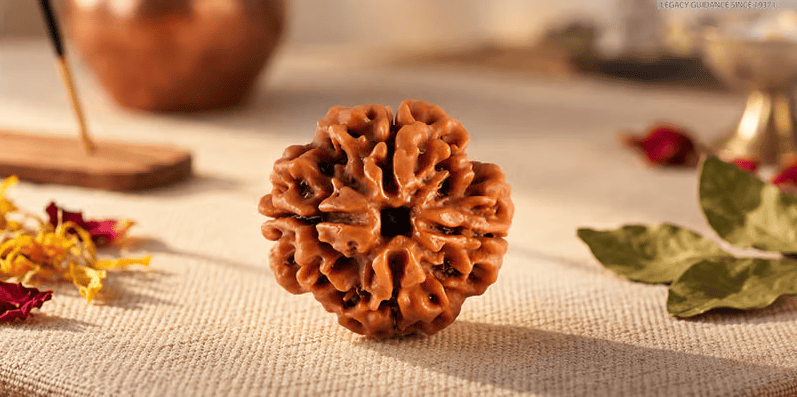
The visible lines running from one end of a Rudraksha to the other are commonly called Mukhis or faces. Examine whether the lines are naturally formed, continuous, and clearly defined. Artificially carved grooves or modifications can misrepresent a bead’s identity. Ask the seller to explain the stated Mukhi count and provide evidence supporting the description before deciding.
● Looking At Shape, Texture, And Surface
Natural Rudraksha beads are not factory-made objects. Their shape, size, colour, and surface texture can vary, even among beads with the same Mukhi count. Small irregularities do not automatically indicate poor quality, while a polished or unusually smooth surface does not prove genuineness. A reliable description should distinguish natural characteristics from alterations, helping buyers understand exactly what they are receiving.
Comparing Price And Quality With Clearer Buying Criteria
A low price can attract attention, but value depends on more than the amount displayed. Buyers should compare like-for-like details before deciding.
● Assessing The Price Against The Bead
When searching for original rudraksha at best price in Bangalore, compare beads with the same Mukhi count, origin, size, condition, and supporting documentation. Rare varieties may cost more because availability and demand differ. Ask what explains the difference and whether the quoted amount includes certification, energisation, or accessories. A clear breakdown makes comparisons fairer and helps avoid paying extra for vague claims.
● Understanding What Influences Cost
A Rudraksha’s value can reflect its variety, condition, sourcing, rarity, and verification. Larger size alone does not make a bead superior, and a higher price does not automatically establish authenticity. Buyers should confirm delivery charges, return conditions, and what happens if the item they receive differs from its description. Transparent terms are part of a sound purchase.
A responsible seller can also explain whether the bead is sold individually or as part of a set, and whether the displayed photograph shows the exact item. This distinction is useful when natural beads differ in shape and surface detail. For online orders, request current images in good lighting and confirm that the identifying details on the certificate correspond to the item selected. Keep the conversation in writing so the description, agreed price, and delivery terms remain available for reference.
Checking Certification And Evidence Before Making Payment
Certification can add confidence when it identifies the item and explains what was assessed. Its usefulness depends on the issuing body, scope, and traceability.
● Reviewing The Certificate Details
A certificate should be linked clearly to the bead being sold. Check whether it includes an identifiable reference, photographs or distinguishing details, the stated Mukhi count, the date, and the name of the testing organisation. Confirm that the document is genuine and that its scope covers the claims made by the seller. A general company quality certificate is not necessarily an individual bead authentication report.
● Knowing The Limits Of Visual Tests
Water tests, floating tests, copper tests, and other popular demonstrations are often presented as quick ways to identify genuine beads. These methods are not reliable substitutes for proper examination and documented verification. A bead’s behaviour in water, for example, can be affected by density, dryness, cracks, or trapped air. Ask what testing was performed, who performed it, and whether the result can be matched to the exact bead.
Tracing Sourcing And Seller Accountability With Care
Origin information helps buyers understand the supply chain. A seller should be able to explain where beads are sourced and how they are selected.
● Asking About Origin And Handling
Rudraksha beads are commonly sourced from regions including Nepal and Indonesia, and natural characteristics may differ by origin. Ask whether the stated origin is supported by sourcing records or a clear explanation. Find out how beads are stored, handled, drilled, and prepared before dispatch. Responsible sellers should avoid presenting assumptions as scientific proof or making unsupported promises about spiritual or health outcomes.
● Checking The Seller’s Process
Look for consistent product descriptions, accessible contact information, written policies, and a clear process for addressing concerns. Ask whether the seller offers guidance on selecting a bead and whether recommendations are based on stated preferences or a personal consultation. Established experience can be reassuring, but it should sit alongside verifiable product information. Keep invoices, certificates, order details, and correspondence.
Choosing A Bead That Suits Personal Beliefs And Use
A purchase should reflect the buyer’s own reasons for wearing or keeping a Rudraksha. Traditions offer guidance, but personal choice and clear information remain important. Some people choose a bead according to traditional associations, zodiac considerations, meditation practices, or family customs, while others prefer a simple mala for regular use. Clarify your intention before comparing varieties, then seek guidance from someone who can explain the traditional basis without promising guaranteed results. No single bead should be presented as a substitute for medical, financial, or professional advice.
Also, consider whether the bead will be worn individually, incorporated into a mala, or kept for prayer and meditation. Ask about suitable stringing, drilling, and everyday care. Avoid harsh chemicals, prolonged soaking, and rough storage that may damage a natural bead. A careful, informed decision is more valuable than a rushed bargain.
Conclusion: Confidence In Certified Authentic Rudraksha
A meaningful purchase begins with the same questions raised at the display counter: what is the bead, where did it come from, and what evidence supports its description? Buyers seeking certified authentic rudraksha should prioritise natural features, traceable sourcing, item-specific verification, transparent pricing, and after-sales policies.
Choosing the right Rudraksha becomes easier when buyers have access to reliable product information, personalised guidance, and services that support their selection. RudraTree presents Rudraksha beads sourced directly from Nepal and Indonesia, authenticity assessment, expert recommendations, and traditional energisation services. Their wider offerings include Rudraksha malas, Rasi and Kavach collections, astrology consultations, pooja ceremonies, and Homam services. They provide buying guidance through expert recommendations based on details shared by customers, followed by payment, energisation, and delivery.