
In Indian weddings, jewellery is an inevitable part of the celebrations. Necklaces of gold, diamond earrings, bangles, and other ornaments have been the first on the list to discuss once the planning for the wedding starts. However, brides are changing in the way they select their jewelry.
Before, bridal shopping meant the selection of an entire matching set and sometimes ornaments selected by the family members too. Now, many brides are looking for something else. They like tradition, but they also need to see their individual taste expressed in the jewellery. Some want a magnificent temple necklace worn with saree; others mix gold and diamonds in their jewellery or select lighter options to be used again after the wedding.
The following are the trends affecting modern Indian brides’ choice of wedding jewellery.
Traditional Designs Are Finding a Place in Modern Styling
Traditional jewelry is still popular. Actually, there are many brides who still prefer the jewelry designs from temple jewelry art, ancient jewelry making techniques and traditional weddings of different regions.
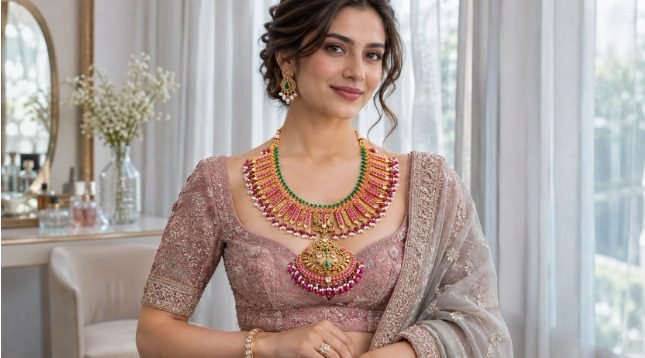
What has changed is the way these jewelry items are worn. One can wear the traditional Lakshmi necklace but can go for a simple earring pair. Another one may choose to wear the antique gold choker with the modern blouse style.
Temple jewelry, Kundan jewelry and necklaces with heritage designs are quite popular. Most of these are popular especially among the South Indian brides.
This has made modern bridal jewellery more varied. The focus is no longer limited to matching every ornament. Personal styling now plays a much bigger role.
Lightweight Jewellery Is Becoming an Important Choice
One of the things that is changing in the wedding industry is the increasing preference for heavy-looking yet lightweight jewelry.
The bride has to participate in several functions during her wedding period, which may span across several days. For her not to tire wearing heavy earrings and necklaces in all these events, she needs lightweight jewelry.
Lightweight jewelry is also flexible. The bride does not have to spend all her money on a single piece of jewelry.
Design plays an important part here. Detailed patterns, traditional motifs and careful craftsmanship can give a lighter ornament an elaborate appearance. Brides who want to explore lightweight gold jewellery can consider different styles of necklaces, earrings and bangles for wedding functions and regular occasions.
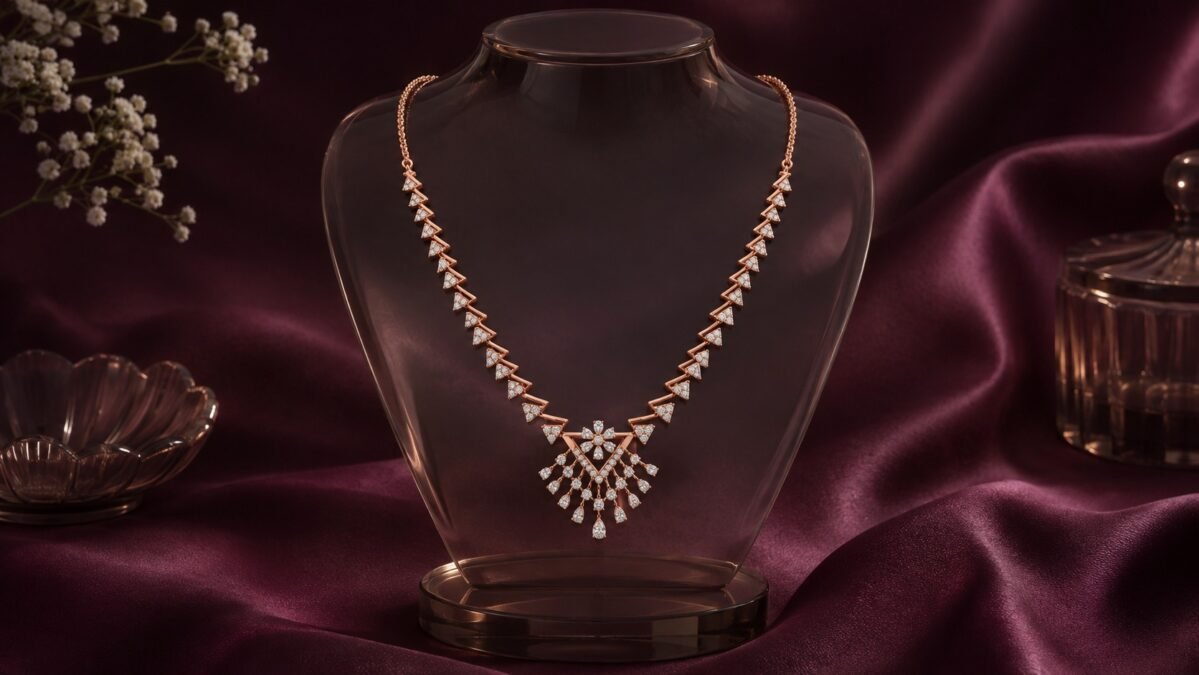
Contemporary sparkle for celebrations
Mixing Gold, Diamonds and Other Designs
The notion that bridal jewellery should only consist of gold only is getting stricter. Today, brides are trying different types of combinations such as diamond earrings, stones in their designs, pearl decorations and others.
For instance, a gold necklace may be worn with diamond ear studs at a reception party. The saree may be adorned with an up-to-date diamond bracelet. In this way, brides can try new things without deviating much from their taste.
Diamond jewellery is also gaining popularity in the engagement ceremony and wedding reception. Some brides prefer to have separate jewellery for these two ceremonies instead of wearing the same gold ornaments in both events.
The key point here is that the bride should take into account her outfit and occasion while choosing. Not every jewellery piece requires being conspicuous.
Personalised Jewellery Is Getting More Attention
In modern times, the bridal party has started showing interest in jewelry that carries some significance. It can include a necklace which resembles an ancestral piece of jewelry, or a pendant with initials on it, or even an ornament that represents some culture.
Personalization would allow the brides to talk about the size of the necklaces, the motifs, and the stones used and also to give their opinion about the design before purchasing.
If the bride’s family possesses any ancestral jewelry, another alternative would be to use both the old and new pieces of jewelry together. An example would be that of a grandmother’s necklace being worn with new earrings.
Regional Wedding Traditions Still Influence Jewellery Choices
Wedding rituals vary a lot in India, and bridal jewelry is no exception.
In South India, Kanjeevaram sarees go well with gold harams, temple necklaces, vaddanam and traditional bangles. The brides from Telugu may add an ornate waist belt, and the Tamil bridal style involves the use of traditional gold jewelry and temple decorations.
Polki, Kundan, and layered jewelry are common wedding jewelry styles in North India for more than one wedding ceremony. The brides in Maharashtra can wear traditional thushi necklaces and other ornaments. There is also a distinctive way of wearing gold jewelry in the Bengali bridal style.
These traditions inspire many modern jewelry designers. Most brides would like to have the jewelry of their community, at least, those items which suit them personally.
22KT Gold Continues to Hold Its Place
While the demand for diamonds and modern designs is increasing, gold is still an essential element in Indian wedding shopping.
In case of pure gold ornaments, 22KT jewelry is one of the most popular choices among customers. The purity level and Indian tradition connected with 22KT jewelry make it popular for customers buying gold necklaces, bangles, earrings, and other ornaments.
Customers today pay more attention to details when making purchases. Gold purity level, BIS hallmarking, HUID numbers, making charges, and invoice become important issues.
Families exploring 22KT gold jewellery can compare different designs and consider which pieces are suitable for the wedding and future occasions.
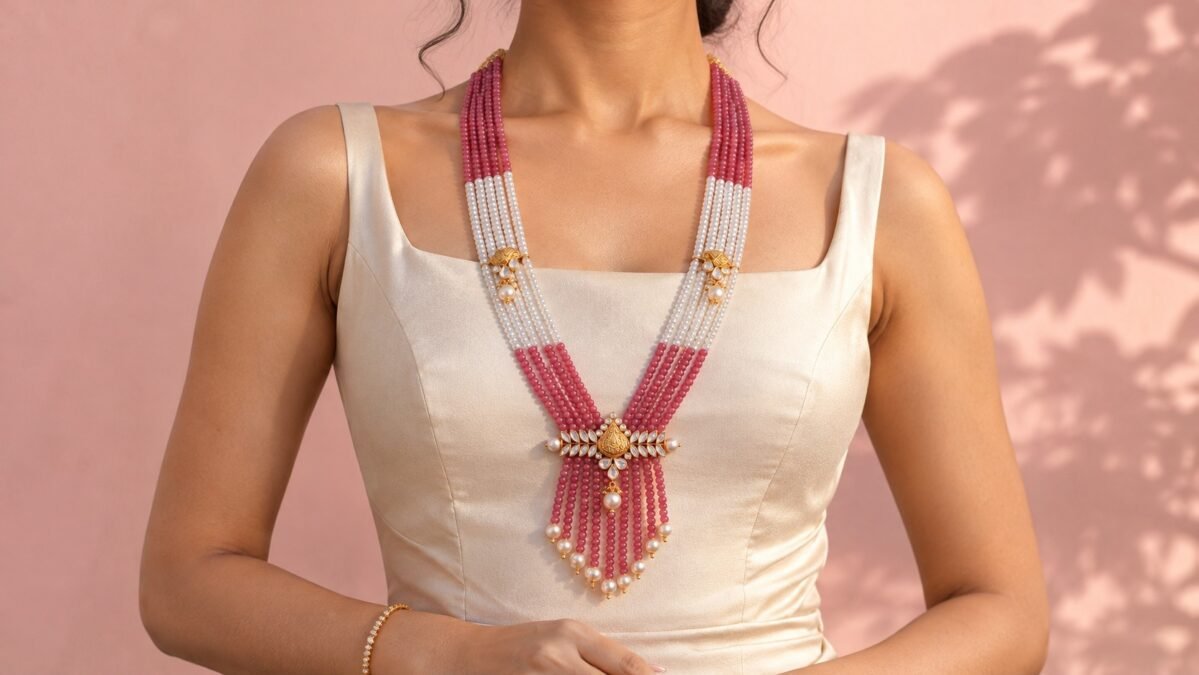
Jewellery with life beyond the wedding
Jewellery That Can Be Worn Beyond the Wedding
Versatility is yet another factor that affects bridal shopping. Nowadays, brides are also considering what will happen to the jewellery after the wedding.
It would be logical to use an elaborate bridal necklace only for special occasions, whereas smaller earrings, gold chains, bracelets, and rings can often be used. Thus, brides buy both extravagant and simple jewellery, with one type being used at the wedding and the other type being used every day.
Also, such a strategy helps with budget planning since not everything must be bought specifically for one ceremony.
Properly selected jewellery can have many functions including parties, anniversaries, and family events.