
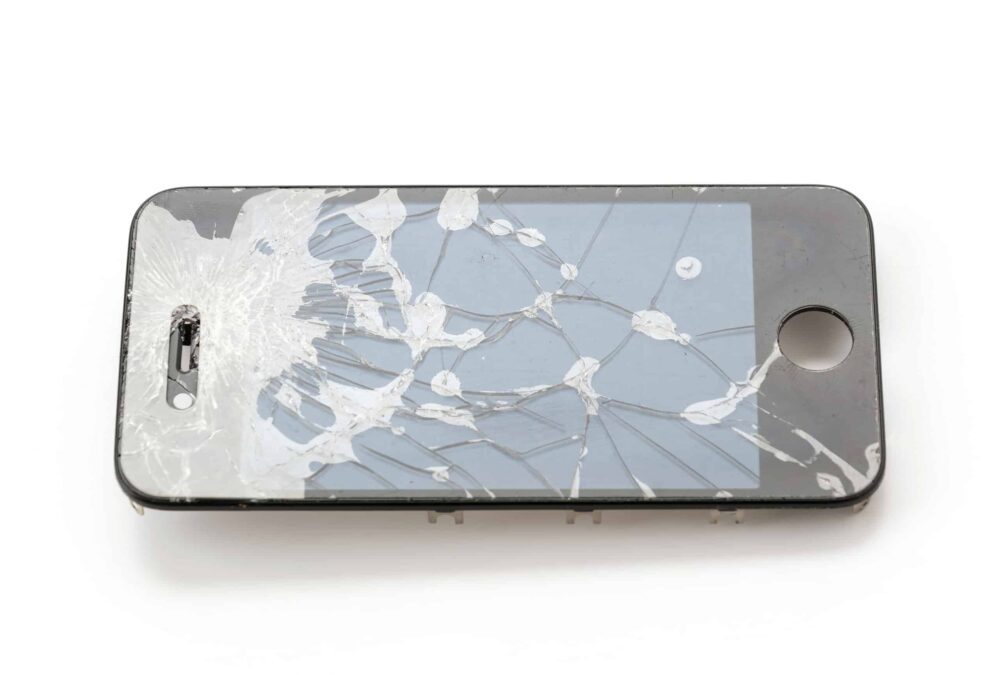

Noticing a spiderweb crack spread across your sleek mobile device can instantly trigger an intense wave of panic and frustration. Thousands of smartphone owners frantically search the internet every single day looking for how to fix broken screen protector issues in hopes of bypassing the hassle and expense of buying a replacement. However, understanding the fundamental physical limitations of tempered glass and flexible plastic films will ultimately save you from wasting precious time, energy, and money on completely ineffective DIY tricks.
When a protective layer takes the impact of an accidental drop, its internal structure undergoes permanent molecular deformation. Recognizing this early prevents you from falling victim to misleading online hacks that promise miraculous recoveries. Instead of chasing impossible fixes, embracing the reality of smartphone safety allows you to protect your expensive hardware properly. True device maintenance begins with knowing when a component has completely fulfilled its protective sacrifice and needs a prompt, safe transition to a brand-new guard.
The Hard Truth About Repairing Damaged Glass
When dealing with a shattered guard, wondering how to fix broken screen protector materials frequently leads curious users down rabbit holes filled with popular internet myths involving household toothpaste, baking soda, or instant superglue. The absolute, unvarnished reality is that once tempered glass breaks, its structural integrity is entirely and irreversibly compromised. Attempting these makeshift kitchen-science repairs will never restore its original impact resistance, and worse, it can easily scratch your actual OLED or LCD display panel, permanently ruining your touch sensitivity.
Furthermore, introducing foreign chemicals like cyanoacrylate glues near your phone is a massive hazard. These substances can easily seep into tiny crevices, speaker grilles, microphone ports, or mechanical buttons, causing permanent internal damage that far outweighs the cost of a simple accessory swap. Professional technicians universally agree that glass cannot be healed once shattered. The microscopic fractures weaken the entire pane, meaning that any secondary impact will shatter it completely into hazardous little fragments.
Essential Tools and Materials Needed for the Job
Before you dive headfirst into the physical removal process, gathering the right supplies ahead of time ensures a smooth, efficient, and entirely safe transition. You will want to have clear packing tape ready on hand, especially if the glass is heavily shattered, to keep loose shards safely contained. Additionally, keep a thin plastic card such as an expired credit card, a wooden toothpick, a microfiber cleaning cloth, and a bottle of high-purity isopropyl alcohol nearby.
Having these specialized items neatly organized on your workbench makes figuring out how to fix broken screen protector challenges much simpler when the time comes to swap out the layer. Working unprepared often leads to scratched fingers or residual adhesive left stubbornly stuck to the glass display. By taking two minutes to assemble this lightweight toolkit, you set yourself up for a seamless maintenance experience that mirrors professional smartphone repair shop standards.
Step-by-Step Guide to Safely Removing a Damaged Guard
Safely peeling away shattered glass requires an immense amount of patience to prevent accidental injury to your fingertips and delicate phone components. First, place a smooth strip of clear packing tape horizontally across the entire surface of the protector to contain any loose, razor-sharp fragments. Next, use a wooden toothpick or the corner of a thin plastic card to gently pry up one specific corner of the damaged accessory.
If you ever wonder How to fix broken screen protector debris that feels stubbornly stuck to the display, a standard hairdryer set to low heat works wonders. Blow warm air gently across the surface for about ten to fifteen seconds to soften the underlying silicone adhesive without overheating your phone’s internal battery. Peel the layer back slowly and evenly at a shallow, low angle to ensure it comes off in one clean piece rather than fragmenting further.
Cleaning and Preparing Your Phone Screen Pristine
After successfully discarding the dangerous old layer, deep cleaning the underlying smartphone display is an absolutely vital step that cannot be skipped. Dampen your microfiber cloth with a small amount of isopropyl alcohol to thoroughly wipe away any sticky, gummy residue left behind by the expired adhesive. Take your time wiping down the entire perimeter, as leftover smudges will create permanent air gaps under your new protective layer.
Once the chemical residue is completely gone, use a completely dry microfiber cloth alongside specialized dust-removal stickers to clear away every single speck of airborne lint and microscopic dust particles. Ensuring an absolute vacuum-clean environment on your glass screen is the ultimate secret weapon for preventing annoying bubbles. Taking extra care during this preparatory phase guarantees that your upcoming installation looks and feels completely invisible.
How to Install a Brand-New Screen Protector Flawlessly
Applying a fresh replacement accessory requires absolute precision and a steady hand to completely avoid frustrating air bubbles and trapped dust specks. Carefully line up all the precise cutouts of your new glass with your phone’s front-facing camera, earpiece speaker, and bottom sensors before letting the sticky side touch the display glass. Proper alignment from the very beginning prevents crooked installations that interfere with protective phone cases.
Once properly aligned, gently touch the direct center of the protector with your finger and watch as the specialized silicon adhesive naturally spreads outward across the screen. If you notice any stubborn air bubbles trapped underneath, gently push them toward the nearest outer edge using a card wrapped in a soft microfiber cloth. This self-adhering magic creates a seamless bond that keeps your device looking brand new.
Conclusion and Final Thoughts
Ultimately, attempting to research how to fix broken screen protector damage is a complete dead end because physical glass cannot be truly mended once its molecular bonds are shattered. Accepting that a full replacement is the only viable, safe option protects your expensive smartphone display from future drops and structural failures. Investing in a fresh guard guarantees maximum touch screen responsiveness and total peace of mind as you navigate your daily digital life.
Regularly inspecting your mobile devices for microscopic cracks ensures you catch vulnerabilities before they escalate into costly display replacements. By following proper removal, cleaning, and installation techniques, you master a valuable tech-maintenance skill that keeps all your personal electronics running safely. Prioritize safety, embrace proper replacement habits, and enjoy crystal-clear visibility on your smartphone every single day.
Frequently Asked Questions (FAQs)
Can I use toothpaste or superglue to fix a cracked screen protector?
No. While internet myths suggest using toothpaste or superglue to fill cracks, these methods do not restore the structural strength of tempered glass, can ruin touch responsiveness, and risk leaking adhesive into your phone’s speaker or charging ports.
Is a cracked screen protector dangerous to use?
Yes. Severely shattered glass can shed tiny sharp shards that may cut your fingers or face during calls, and it no longer provides proper impact absorption if you drop your phone again.
How do I remove a screen protector that has no cracks but won’t budge?
Use a thin plastic card like an old credit card to gently wedge under a corner. If the adhesive is tight, warm it slightly with a hairdryer on a low, cool-to-warm setting for about 10 to 15 seconds to loosen the glue.
Can I reuse a glass screen protector after taking it off?
No. Once a tempered glass protector is peeled off, its silicone adhesive layer collects dust, loses its uniform tackiness, and will form permanent air bubbles if reapplied. Always use a fresh one.
Why do screen protectors crack without the phone screen breaking?
Screen protectors are engineered to act as sacrificial armor. They absorb the kinetic energy and impact of drops or pressure, sacrificing themselves so that the force doesn’t transfer to your actual phone display.
You may also read: Current Status and Accessibility Challenges