
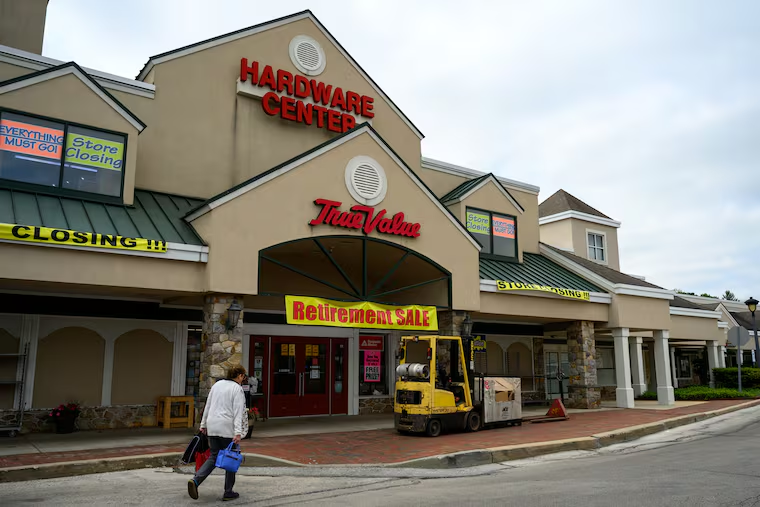

The heartbreaking reality of a beloved hardware store closing hits exceptionally close to home for any tight-knit neighborhood. For more than half a century, these independent local hubs have quietly anchored main streets, offering far more than basic tools and household supplies. They served as reliable sanctuaries where homeowners, neighborhood craftspeople, and enthusiastic DIY builders could always find expert guidance, obscure replacement parts, and trusted advice. Seeing one of these iconic, time-honored institutions finally lock its doors represents a profound, emotional moment of transition that permanently changes the structural and social fabric of the surrounding community.
News regarding a beloved hardware store closing carries an undeniable weight that extends far beyond a routine retail liquidation event. It signals the official conclusion of a cherished chapter built upon decades of personal relationships, deep institutional knowledge, and dedicated public service. As the final operating dates approach, generations of loyal customers gather in the familiar aisles one last time to express their deep gratitude, share fond memories, and secure a few remaining items before the storefront goes dark for good.
The Legacy of Decades Serving the Local Community
Long before giant mega-stores dominated regional commercial districts, small family-owned shops opened up to fulfill the immediate hardware needs of growing neighborhoods. Starting out with modest inventory choices, these local institutions gradually expanded their footprints alongside the neighborhoods they nourished and protected. Over the decades, they naturally transformed into essential anchor destinations where neighbors constantly gathered to swap home improvement wisdom, borrow specialty equipment, and seek practical solutions for complex maintenance problems that modern digital search engines simply could not address effectively.
What truly elevated these independent shops into cherished community landmarks was the extraordinary level of personal connection offered behind the service counter. Unlike massive big-box chains where corporate turnover remains high, local staff members genuinely knew customers by their names, remembered ongoing home restoration projects across years, and could instantly locate extremely rare parts tucked away in backroom drawers. That unique, irreplaceable standard of genuine care created a lasting foundation of community trust that simply cannot be replicated by automated algorithms or high-volume warehouse retailers.
Why Iconic Local Hardware Stores Are Shutting Their Doors
In today’s rapidly shifting retail landscape, evolving consumer habits create immense operational pressures on independent neighborhood merchants. With major digital storefronts offering fast delivery options and aggressive online price matching, foot traffic across traditional brick-and-mortar stores has experienced a slow but steady decline over recent years. The financial reality driving a beloved hardware store closing underscores the severe systemic challenges small independent operators continuously face when competing directly against global supply chains, massive buying power, and heavily subsidized corporate e-commerce infrastructure.
Beyond shifting digital shopping trends, general economic pressures continue to mount heavily against physical storefronts trying to remain profitable. Soaring commercial lease rates, inflated wholesale inventory costs, higher utility overhead, and increasing property taxes leave minimal profit margins for modest family-owned operations. Furthermore, many aging store founders are reaching well-earned retirement age without finding a next-generation successor prepared to take over demanding daily operations, ultimately making complete business closure the only realistic and practical path forward for long-time owners.
Final Liquidation and Clearance Sale Details
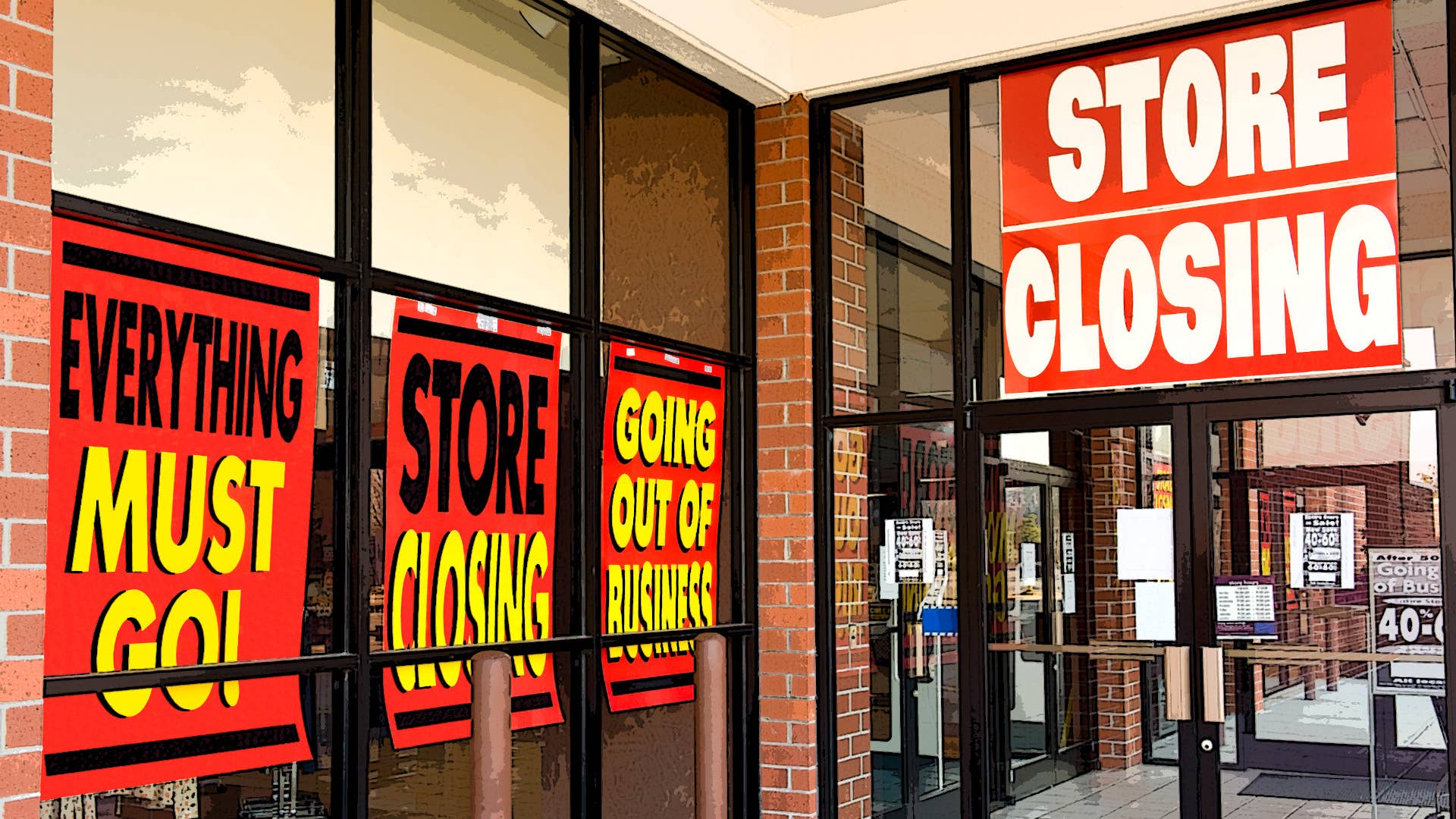
When an iconic local merchant initiates a store shutdown, store management schedules a carefully organized final liquidation period to clear out remaining inventory. Discounts typically begin at modest markdowns of ten to twenty percent off retail value before scaling up aggressively as the final operating day draws near. Savvy shoppers should keep in mind that all liquidation sales operate on a strict finality basis, meaning that existing store gift cards, store credits, and promotional vouchers must be redeemed immediately before operational systems are permanently shut down.
Navigating the closing clearance sale offers dedicated customers a valuable opportunity to purchase premium supplies while supporting the business through its final transition. High-demand items usually include professional-grade power tools, brand-name hand equipment, heavy-duty shelving systems, specialty fasteners, and seasonal lawn care goods. Visiting the storefront during the early phases of liquidation ensures access to the best selection of specialty inventory, while visiting closer to the final week yields the deepest price reductions on remaining general stock and commercial display fixtures.
Community Reactions and Saying Goodbye to an Institution
The public announcement detailing a beloved hardware store closing invariably triggers a remarkable wave of shared nostalgia across the entire regional community. Regular patrons, local contractors, and long-time residents frequently share emotional stories about receiving crucial DIY guidance during home emergencies or bringing young children along to browse the hardware aisles on Saturday mornings. Community farewell boards, physical guestbooks, and local social media forums quickly fill with heartfelt tributes celebrating the store’s dedicated staff and honoring their decades of unwavering local support.
Behind every long-standing independent retail business stands a team of deeply devoted employees who face personal uncertainty as the final day approaches. Local residents can offer meaningful support during this challenging transition by offering warm words of encouragement, writing glowing professional letters of recommendation, and sharing potential job opportunities within the regional business community. Honoring the hard work of these retail workers helps cushion the difficult impact of the transition and demonstrates true community gratitude for their many years of dedicated service.
Supporting Remaining Local Businesses in Your Area
Preventing another beloved hardware store closing within your immediate neighborhood requires deliberate, conscious action on the part of everyday consumers. Intentionally choosing to purchase hardware items, building materials, and household supplies from surviving independent stores plays a direct role in maintaining local commercial vitality. By redirecting routine shopping spending back toward local mom-and-pop merchants, consumers actively empower small business owners to withstand broader economic pressures and retain the distinct, vibrant identity of their neighborhood districts.
Beyond direct financial patronage, local residents can actively champion surviving independent shops through positive word-of-mouth recommendations, detailed online reviews, and civic advocacy. Supporting local economic initiatives, attending small business awareness events, and encouraging municipal leaders to implement favorable policies for independent retailers help create a supportive ecosystem where traditional small businesses can continue to thrive alongside modern digital convenience for generations to come.
Conclusion
The permanent closure of a long-standing neighborhood hardware store marks an undeniable turning point for any close-knit town or urban community. While the physical storefront may clear its wooden shelves, turn off its neon signs, and lock its front doors for the final time, the impressive legacy of decades of personal service, expert technical guidance, and genuine human connection leaves a permanent mark on the area. Actively supporting our remaining independent shops stands as the absolute best way to honor that remarkable legacy and keep the spirit of neighborhood retail vibrant long into the future.
Frequently Asked Questions
Why do long-standing hardware stores close after decades of operation?
Closures are typically caused by a combination of owner retirements without family successors, soaring commercial lease costs, rising operational overhead, and intense market competition from global e-commerce platforms and big-box warehouse chains that leverage massive economies of scale.
How long do store liquidation sales usually last before final closure?
Liquidation sales typically run for approximately four to eight weeks, depending on total inventory volume, seasonal factors, customer foot traffic, and the specific terms outlined in the building owner’s commercial lease agreement.
Are store gift cards and store credits still valid during closing sales?
Yes, store gift cards and outstanding promotional credits are usually honored during the initial stages of a liquidation sale; however, customers are strongly urged to redeem them as quickly as possible before inventory levels dwindle completely.
Can items purchased during a store closing sale be returned later?
Virtually all liquidation sales operate under a strict policy where all sales are entirely final, meaning returns, exchanges, warranty claims, and store credit adjustments will not be accepted once the transaction is officially completed.
What is the best way to support staff during a store’s final weeks?
Exhibiting patience during busy clearance sales, expressing genuine words of thanks, leaving glowing testimonials, and connecting displaced employees with local job leads are all wonderful ways to show meaningful community support during a closure.
You may also read: Safe Landing and Immediate Tarmac Response at Newcastle Airport