
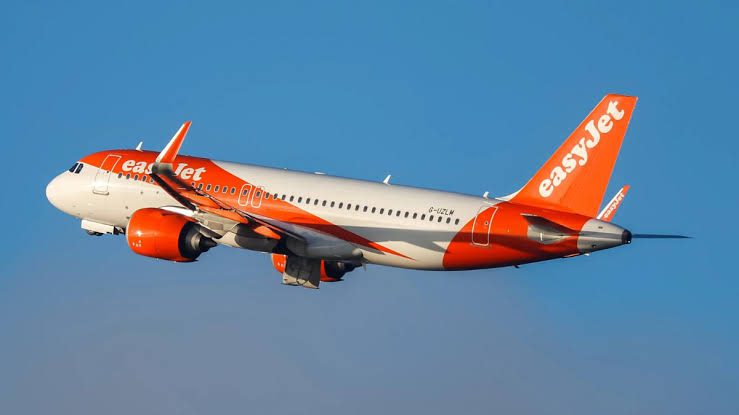

Aviation is designed around meticulous schedules, precise flight paths, and predictable routines, yet the unpredictable nature of human health can alter a journey in a matter of seconds. When an airborne crisis strikes, the intricate machinery of commercial aviation must pivot instantly to protect human life. This exact scenario dominated aviation news cycles when a routine evening commute transformed into a high-stakes diversion. For anyone tracking the easyjet flight u2238 emergency landing newcastle, looking closely at the sequence of events reveals how swift, decisive communication between flight deck crews, air traffic controllers, and ground personnel ensures that passenger safety remains the absolute priority above all other operational goals.
Every commercial flight operates under a complex web of safety protocols designed to manage emergencies that occur thousands of feet in the air. When an unforeseen crisis develops on board, pilots do not have the luxury of time; they must rapidly assess the situation, consult with medical advisory networks on the ground, and choose the closest appropriate diversion airport. The incident involving easyjet flight u2238 emergency landing newcastle serves as a powerful reminder of how modern aviation prioritizes rapid response mechanisms, turning what could be a catastrophic medical emergency into a controlled, manageable operational event that safeguards everyone on the aircraft.
Flight Background and the Scheduled Copenhagen to Manchester Route
Operating high-frequency routes across European airspace is standard procedure for major low-cost carriers, but every single departure carries its own unique set of variables and human elements. Flight U2238 was originally scheduled to depart from Copenhagen Airport in Denmark and complete a routine evening transit across the North Sea to land at Manchester Airport in the United Kingdom. Passengers boarding the Airbus A320 anticipated a standard, uneventful flight, looking forward to arriving at their destination late at night. Little did the travelers or the cabin crew know that an unexpected medical situation would soon interrupt this routine commute, instantly changing the trajectory of the evening.
European air corridors are among the busiest in the world, requiring precise coordination between different national airspace authorities. The Copenhagen to Manchester route typically takes just under two hours, crossing coastal boundaries and maritime expanses where rapid decision-making is essential if an emergency arises. The initial departure from Denmark had experienced a slight delay, pushing the takeoff time to later in the evening, which added an extra layer of operational pressure for the flight crew. Understanding this background provides crucial context for why the subsequent easyjet flight u2238 emergency landing newcastle became such a heavily monitored event across live aviation tracking platforms and news outlets.
The Core Cause: Uncovering Why Flight U2238 Diverted Mid-Air
Midway through the cross-country journey, the atmosphere inside the aircraft cabin shifted dramatically as flight attendants and the captain recognized a severe medical emergency unfolding among the passengers. The primary catalyst behind the easyjet flight u2238 emergency landing newcastle was an acute health crisis requiring immediate medical intervention that could not be adequately managed using standard onboard first-aid kits. Recognizing the escalating gravity of the situation, the flight deck crew did not hesitate to activate emergency protocols, choosing human life over strict schedule adherence and diversion timelines.
When a captain declares a mid-air emergency, specialized protocols immediately override normal air traffic management queues, giving the aircraft priority routing through congested airspace. In the case of the easyjet flight u2238 emergency landing newcastle, the Airbus A320 was flying over the North Sea when the decision was made to alter course away from Manchester and point the nose north toward Newcastle Airport. This facility was selected because it offered the nearest fully equipped tarmac infrastructure, capable of rapidly dispatching specialized medical units to meet the aircraft the moment its wheels touched down on the runway.
Safe Landing and Immediate Tarmac Response at Newcastle Airport
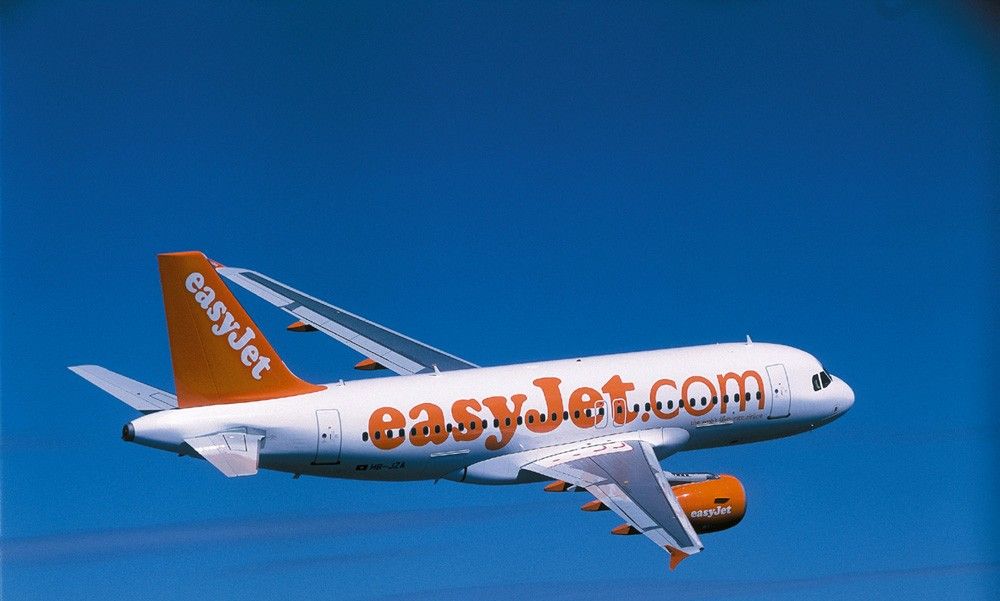
As the aircraft descended rapidly through the night sky toward the runway lights of Newcastle, local emergency infrastructure swung into action with remarkable speed and precision. Ground responders, paramedics, and airport operations teams mobilized immediately, positioning themselves directly on the tarmac to intercept the aircraft upon its arrival. The successful execution of the easyjet flight u2238 emergency landing newcastle highlighted the vital importance of seamless communication channels between airborne flight crews and ground-based emergency services, ensuring zero wasted seconds upon touchdown.
The Airbus A320 touched down safely on the tarmac just before eleven o’clock at night, bringing a tense airborne phase to a controlled conclusion. Mobile medical units immediately pulled alongside the aircraft, deploying stairs and bridging the gap between aviation transit and urgent hospital care. The affected passenger, requiring specialized medical attention, was safely transferred from the plane to a waiting ambulance and rushed to a nearby regional hospital. This rapid, highly coordinated tarmac response during the easyjet flight u2238 emergency landing newcastle prevented a potentially fatal medical outcome and showcased the exceptional preparedness of regional UK airport authorities.
Resuming the Journey and the Complexities of Operational Recovery
Managing an unplanned flight diversion involves far more than simply landing the plane; it requires a complex chain of logistical recovery once the immediate medical emergency is stabilized on the ground. Following the successful disembarkation of the sick passenger, the ground crew at Newcastle Airport had to initiate a rapid turnaround process. This included refuelling the Airbus A320, restocking cabin supplies, and conducting mandatory safety inspections to ensure the aircraft was fully cleared to re-enter active airspace.
Passengers remaining on board experienced an unexpected delay, but the prevailing mood was understanding given the gravity of the medical situation that had unfolded. The completion of the easyjet flight u2238 emergency landing newcastle recovery phase meant that the aircraft could take off once again into the night sky, completing the final leg of its journey to Manchester Airport. This seamless transition from emergency diversion back to commercial operation underscores the robust logistical frameworks that airlines maintain to handle unexpected disruptions without compromising overall network safety.
Airline Protocols, Safety Standards, and Passenger Rights
Commercial aviation operates under some of the most rigorous international safety regulations in the world, designed specifically to handle unexpected health crises with absolute consistency. When incidents resembling the easyjet flight u2238 emergency landing newcastle occur, commercial carriers must balance strict operational punctuality goals against their overriding legal and moral obligation to preserve human life. Airlines train their flight crews extensively in crisis management, first-aid response, and rapid diversion procedures to ensure that every decision made mid-flight prioritizes passenger well-being above all financial or scheduling metrics.
While unexpected diversions inevitably cause inconvenience and schedule disruptions for fellow travelers, modern aviation frameworks provide clear guidelines regarding passenger rights, assistance, and duty of care during extraordinary circumstances. Incidents like the easyjet flight u2238 emergency landing newcastle demonstrate that while delays are frustrating, they stem from protocols designed to protect every single individual traveling through the skies. Ultimately, these stringent safety standards reinforce public trust in commercial air travel, proving that passenger health will always take precedence over arrival times.
You may also read: Investigating the Primary Causes Behind the Diversion